

Air quality is influenced by human activities such as oil and gas extraction, agriculture, transportation, construction, heating, and more. Natural disasters, including forest fires, also play a role as smoke enters the air, carrying harmful compounds. Wind and temperature changes can also impact air quality.
Therefore, monitoring air pollution is crucial as it negatively affects both the environment and human health. In Calgary, various levels of government, businesses, and local organizations work together to reduce pollution levels. Ordinary residents also play a significant role in maintaining a healthy airspace through collective efforts to reduce fuel consumption, wood burning, and the use of materials that contribute to harmful emissions. More details on how the city monitors air quality, responds to pollution, and the dangers associated with it, can be found at calgary-name.
Role of Airshed Zone
The federal government sets the Canadian Ambient Air Quality Standards, which define acceptable limits for air pollutants. These limits are based on the impact on human health and the environment.
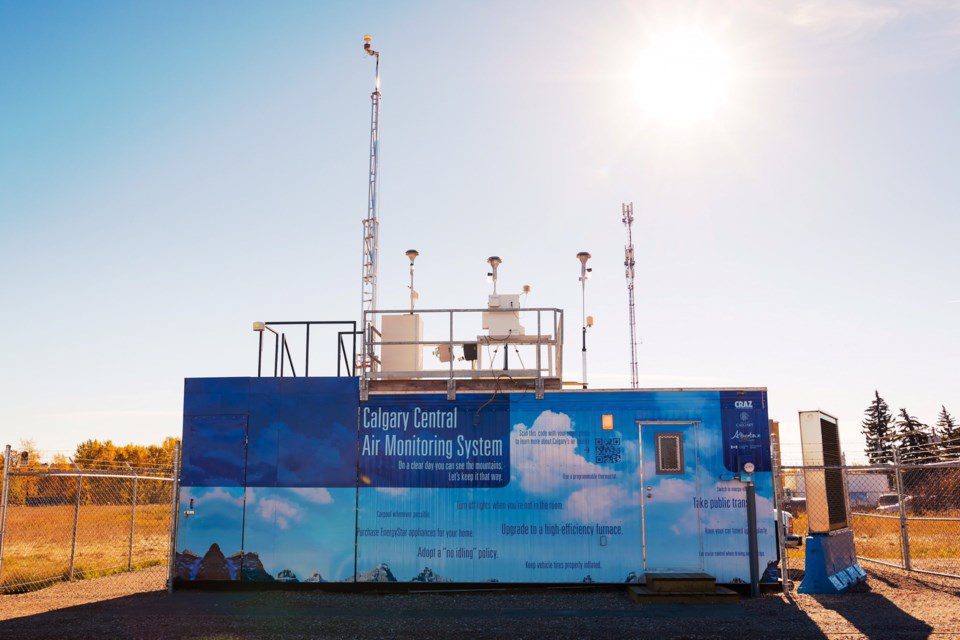
In Calgary, air quality measurement primarily involves continuous pollution monitoring. Fine particulate matter (PM2.5), ozone (O3), nitrogen dioxide (NO2), and sulfur dioxide (SO2) are most commonly measured. The nonprofit organization Airshed Zone tracks and reports air quality data from monitoring stations across the city.
The data collected is used to create the Air Quality Health Index (AQHI). This index describes the level of risk to human health and provides guidance on the steps needed to reduce negative effects. AQHI shows a number on a scale from 1 to 10, indicating the relative risk to health. The higher the AQHI score, the greater the potential risk to health and the more urgent the need for precautionary measures.
During extreme pollution events, such as wildfire smoke, AQHI levels can reach 7-10, indicating a high health risk, or 10+, signifying a very high health risk.
How the City Responds to Air Pollution
The city participates in the Calgary Region Airshed Quality Management Plan. This plan aims to identify priority actions to reduce critical air pollutants, such as fine particulate matter (PM2.5), ozone (O3), volatile organic compounds (VOC), nitrogen oxides (NOx), and sulfur oxides.
The city prohibits actions that contribute to excessive smoke, dust, or other substances in the air. During periods of poor air quality and wildfires, bans on open fires may be issued to minimize additional smoke and particulate emissions.
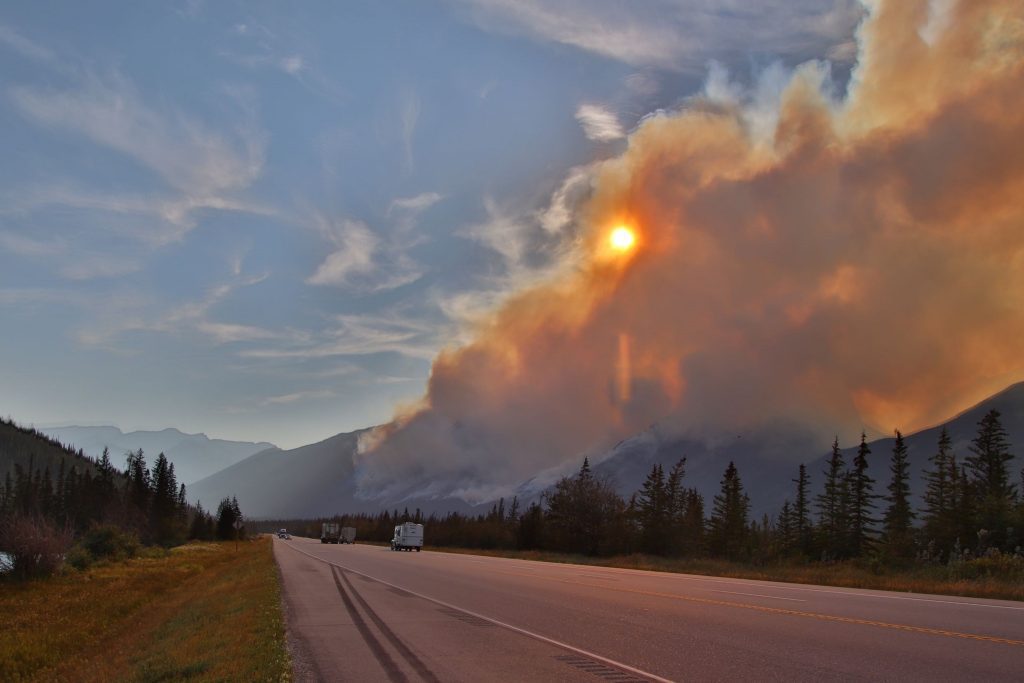
For example, on October 5, 2022, the AQHI level increased to 5, indicating a moderate risk. This was related to a fire in Jasper National Park. The Alberta Health Service warned that people with respiratory conditions, such as COPD and asthma, as well as those with cardiovascular diseases, were at the highest risk.
The Alberta Health Service advised residents to keep windows and doors closed, turn off furnace thermostats and fans, and keep fresh air vents in air conditioners closed. For vehicles, the recommendation was to switch to air recirculation. The service also recommended avoiding smoking on that day, as it adds strain to the lungs, and reducing physical activity to minimize the inhalation of airborne pollutants.
How Climate Change Affects Air Quality
Climate change and air quality are interlinked: global warming worsens air pollution levels. The frequency and scale of forest fires are increasing due to climate change, and emissions from these fires represent one of the most significant climate risks to air quality in Canada.
Climate change can also affect indoor air quality when elevated levels of outdoor pollutants enter buildings or when mold accumulates following extreme weather events, such as floods.
Where in Calgary is Air Quality Worst and How it Changes with Seasons
A 2017 study by the University of Calgary found that air quality in Calgary, although marginally, fluctuates with the seasons.
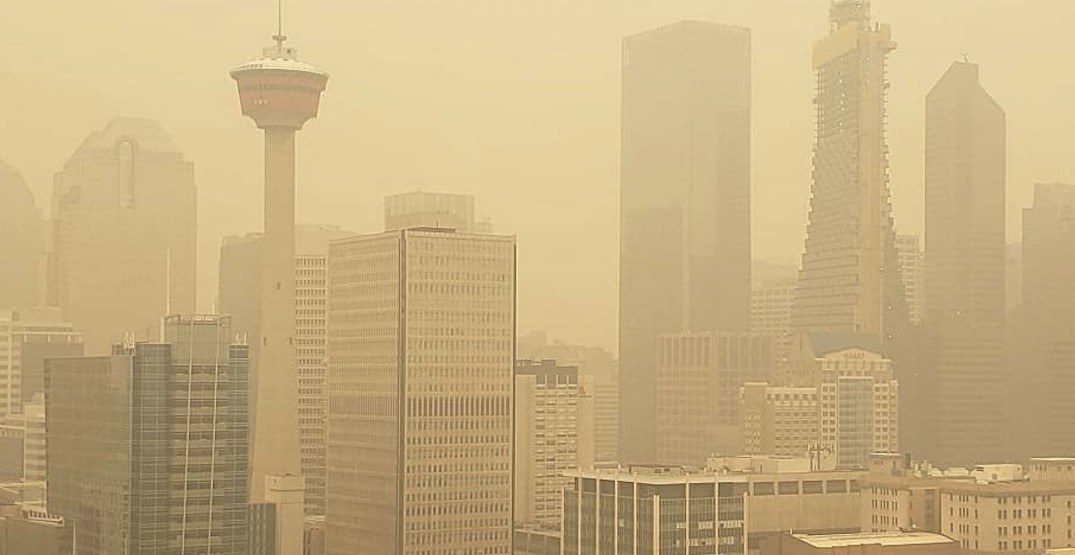
Specifically, it was found that people who spend time south of the Bow River in Calgary are likely breathing the worst winter air in the city. In summer, pollution levels are higher in the downtown area and the northeastern quadrant.
Researchers Stefania Bertazzon and Rizwan Shahid from the Geography Department used data from 2010 and 2011 to determine where the most polluted air in the city is. Early results from 2015 and 2016 confirmed these patterns. The researchers measured levels of ozone, nitrogen dioxide, and fine particulate matter, including dust and smoke particles smaller than 2.5 microns.
According to Bertazzon and Shahid, seasonal fluctuations in air quality are partly due to wind patterns, which blow from the southwest in summer and from the north in winter. Furthermore, the greater pollution in the northeastern part of the city during summer is attributed to the city’s major transportation corridors. The northeast contains several of these corridors, along with many industrial facilities operating at full capacity during the summer, and the presence of the airport.
Potential Risks
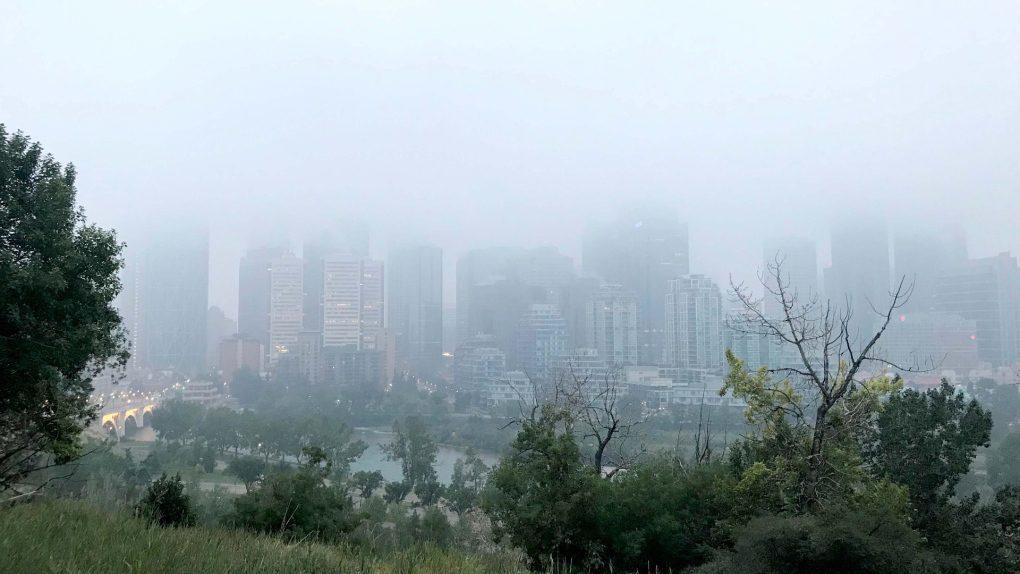
According to numerous studies, air pollution is deadlier than war, smoking, and hunger combined. Polluted air affects everything, from environmental allergies to respiratory problems and body mass.
Interestingly, cognitive development may be lower in children attending schools in areas with high pollution levels, which is linked to heavy traffic.
In addition, a 2017 study by the University of Washington found that the risk of psychological stress increases with air pollution. Researchers studied the connection between toxic air and mental health using data from more than 6,000 respondents in the larger national study, The Panel Study of Income Dynamics.
The study showed that psychological issues grew with an increase in fine particulate matter in the air. Specifically, the substance emitted by car engines, fireplaces, wood-burning stoves, and coal- or natural gas-powered power stations was found to be dangerous. In areas with high pollution levels, psychological stress was 17% higher than in areas with low pollution levels.
Lastly, it’s important to recall the health impacts. When we inhale air pollutants, they can enter the bloodstream, causing coughing, itchy eyes, respiratory and lung diseases, which in the worst cases lead to hospitalization, cancer, or even premature death. Air pollution also increases the risk of respiratory infections, heart disease, and stroke.
It’s also important to note that we tend to think of air pollution as something external, but air inside homes, offices, and other buildings can be more polluted than outdoor air. Common indoor air pollutants include radon, smoke, and lead dust. Other common pollutants are carbon monoxide from faulty furnaces, mold from damp walls, volatile organic compounds from freshly painted rooms, and fine particles from candles or fireplaces.