

Electric lighting appeared relatively late in Alberta. At that time, the province’s residents did not have an urgent need for electricity until urban centers became sufficiently large. Calgary Name will tell you more about the history of electricity in Alberta.
Signing Agreements
Between the 1880s and 1890s, Calgary, Edmonton, and Lethbridge signed agreements with local entrepreneurs to ensure the provision of electricity to their cities.
In the early 1900s, these cities experienced the effects of a demographic boom, which placed enormous pressure on existing systems. This led to discussions about the advantages of services provided by private companies versus those offered by the government.
Interestingly, Calgary was the first urban center in Alberta to have electric lighting. In 1887, Calgary Electric Lighting won a contract to install and power ten street lamps in the city’s downtown area. This was an important first step.
Obstacles and Overcoming Them
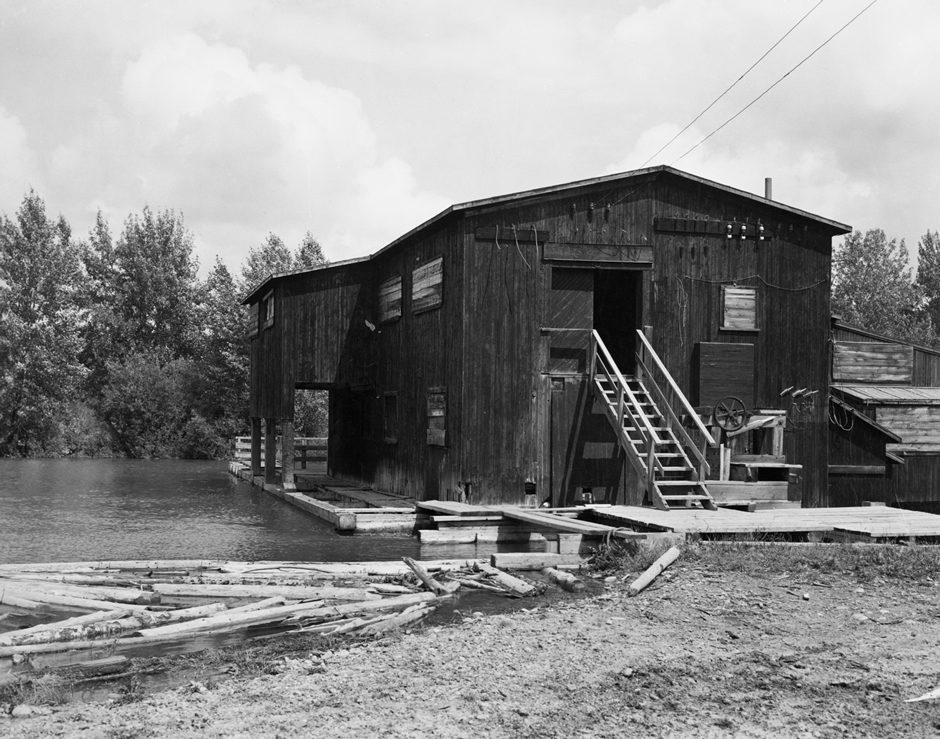
Representatives of Calgary Electric Lighting didn’t rejoice for long, as problems soon arose. The cause was entrepreneur Peter Prince. He owned a sawmill with a steam-powered electric generator, producing enough electricity not only to power his mill but also to sell the surplus to commercial and private consumers in the city.
Prince aimed to become the sole electricity provider in Calgary. After some time, he achieved this goal. In 1892, Calgary Electric Lighting went bankrupt, leaving the city without a supplier of electricity for street lighting.
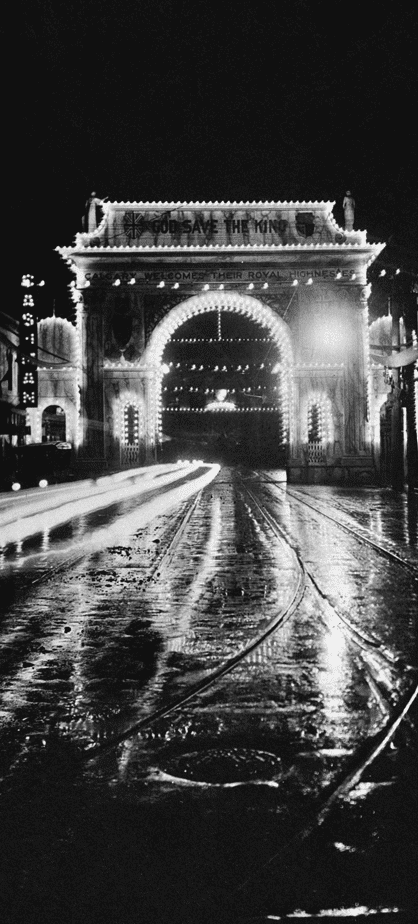
A solution was found—Peter Prince became a monopolist after winning the contract. For ten years, he held a dominant position in Calgary’s local market.
What About Other Cities?
It’s interesting to consider how Edmonton and Lethbridge handled the situation. Following Calgary’s example, Edmonton authorities turned to private entrepreneurs to meet the city’s private and commercial electricity needs. In 1891, the Edmonton Electric Lighting Company was founded and won the contract to provide street lighting for the city. Unlike Calgary, Edmonton’s electricity history was closely tied to the coal industry.
Notably, Lethbridge had its first coal-fired electricity generator in 1887, and in 1893, the city’s first power plant was built to supply electricity to the coal mines.
The Electrification of Rural Alberta
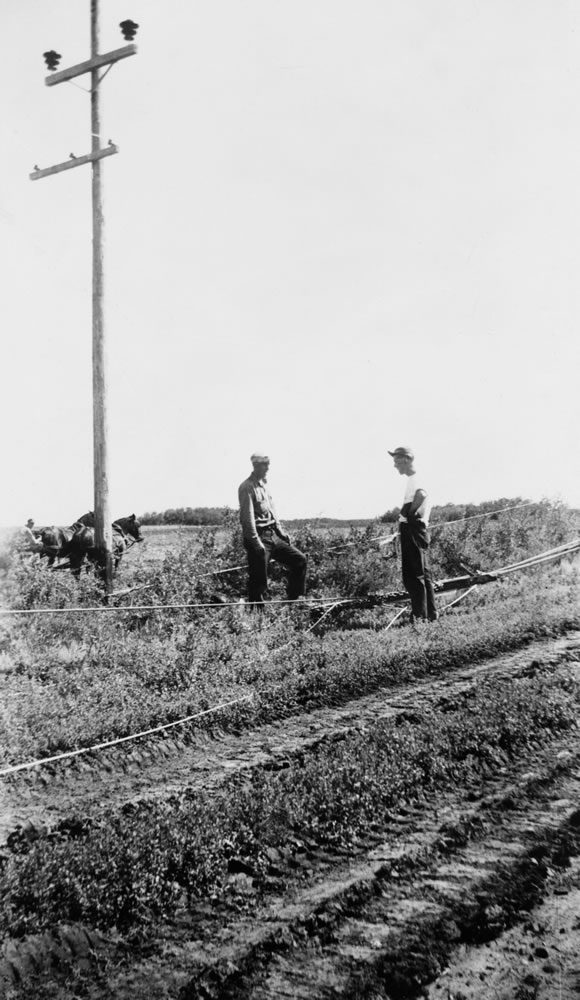
By the end of World War I, rural Alberta had established a well-organized electrification system. Here are some important points:
- Alberta was home to the first municipal power company in the country.
- Residents of Calgary, Edmonton, and Lethbridge were among the first to enjoy the benefits of modern electric streetcar systems.
- The Bow River was used at that time for electricity generation at the Horseshoe Falls dam.
- Until the 1920s, electricity in rural Alberta was considered a novelty rather than a necessity.
- Rural electrification was prohibitively expensive for both sides: companies would have to pay for building new infrastructure, and farmers would have to pay monthly bills.
In the early 1920s, Alberta’s provinces discussed a third, more advantageous option for all: the creation of a public utility company. The province would take on the financial responsibility for the cost of infrastructure and regulate prices to ensure fair deals for farmers. The arrival of a new government—the United Farmers of Alberta—positively influenced this process.
Despite the challenges, by the end of World War II (by 1961), about 87% of Alberta’s rural population had access to electricity.