

Alberta’s first railway was the Canadian Pacific Railway, which was constructed across the province through Medicine Hat, Calgary, and Banff. Over time, the lines connected to the U.S. railway system, and additional branches were built, primarily concentrated in southern Alberta. Calgary Name shares the story of how it all began. More on calgary-name.com.
The Railway in Calgary and Its History
The initial railway infrastructure in Calgary featured wooden platforms, with Turner Siding serving as the first stop in the city. Modern Calgarians are familiar with this area, as it is now a prominent southwest district. One of Calgary’s renowned historians, Jack Peach, offered extensive insights into the city’s railway history. Born in 1913, Peach authored numerous books about Calgary’s past, some of which inspired recorded segments for Calgary Eyeopener in the late 1970s. Notable stories from his books include the following:
- Turner Siding: The first railway station in Calgary was Turner Siding, now known by a different name. For those curious about their surroundings, understanding the history behind them adds depth. Interestingly, an archival photo at the Glenbow Museum depicts Queen Elizabeth II and Prince Philip at this station in Calgary.
- The CN Station: This station, once located in the Mission area of Calgary, no longer exists. Peach fondly recalled enjoying omelettes with marmalade during his journeys through this station.
- The CP Station in Downtown Calgary: This bustling station was long gone by 1969, when it was demolished. Photos from the era showcase rows of cars lined up in front of the station.
Such stories allow present-day residents to view their city through a different lens, fostering a sense of identity and an understanding of what it means to be a Calgarian.
A Brief Historical Overview
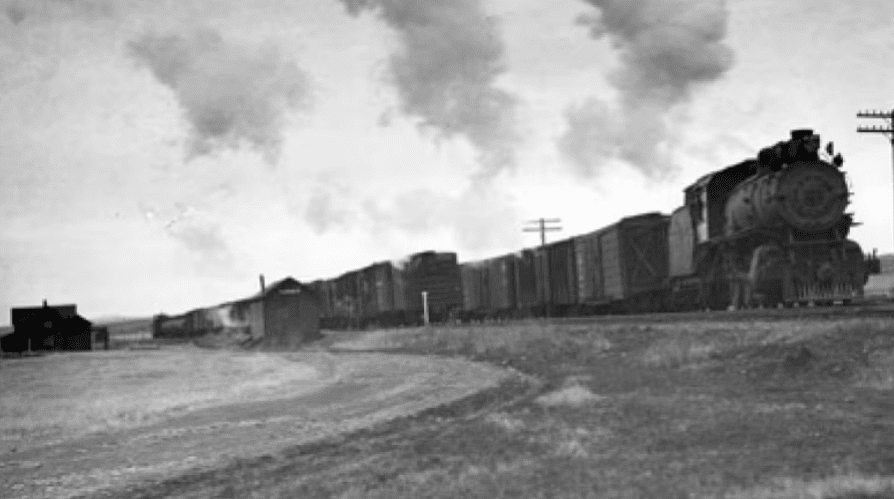
For any city, railways symbolize development and opportunity. Fort Calgary, established in 1875, began to thrive and expand only after the railway reached the area in 1883. Ranchers, entrepreneurs, and explorers of all social classes began arriving, boosting the population to over 4,000 and leading to Calgary’s official recognition as a town.
The railway’s arrival triggered a population boom across Alberta, necessitating the construction of a new line connecting Calgary and Edmonton.
By 1891, the journey that once took four days was reduced to 12 hours—a breakthrough greatly appreciated by locals.
Calgary continued to grow, and by 1909, its population had surpassed 29,000. Addressing the housing needs of this booming population became a pressing issue, which was resolved through strategic planning and urban expansion.
The Role of Streetcars in Calgary’s Railway History
Streetcar service was introduced on July 5, 1909, connecting four distinct parts of Calgary, including some areas that modern transit lines do not reach.
Streetcars served the city until 1950, when a fire destroyed their maintenance facility, including the fifth car yard. A replica of one of these historic streetcars can still be found in Calgary’s Heritage Park.
The cessation of streetcar services marked a turning point in Calgary’s railway history. Surprisingly, large-scale rail transport began to decline due to the rise of commercial air travel, which significantly reduced travel times. A train journey that took days could now be completed in just a few hours by air.
In 1966, Calgary’s last active passenger station was demolished to make way for the Calgary Tower, also known as Husky Tower. Palliser Square, too, stands on the site of a former passenger station. With the station’s closure, passenger rail services ceased in Calgary, and for the next nine years, no trains operated within the city.
The High-Speed C-Train Line
In 1981, Calgary introduced its modern light rail transit system, the C-Train, which continues to expand. With over 118 km of tracks, the system now serves approximately 1.5 million passengers. The C-Train is an integral part of daily life for Calgarians, offering free rides within the downtown core—a convenient and cost-effective option.
Notable features of Calgary’s transit system include:
- Colour-coded lines for easy navigation.
- Artistic design: Both the stations and the trains themselves are considered works of art, creating a unique atmosphere for passengers.
- Day passes available for purchase at local stores, offering a practical option for those planning a full day of travel.
Heritage Park
Though Calgary no longer has a central passenger railway station (apart from the C-Train), several sites evoke the spirit of the railway era. Heritage Park, located in southwest Calgary near the Glenmore Reservoir, is one such destination.
Visiting Heritage Park feels like stepping back in time, as it faithfully recreates the “railway boom” period.
As Canada’s largest living history museum, the park features 14 replica streetcars, an authentic steam locomotive (which still offers rides), a dining car with fine cuisine, and historic train cars. An authentic café near the park entrance adds to the experience.
Visitors are encouraged to explore the automobile gallery, where some of the most fascinating vintage train cars are displayed. A walk along the tracks past the roundhouse offers a glimpse of something truly unique.
Calgary Railway Days
Railway Days, held in late September at Heritage Park, offer an ideal outing for families or anyone looking for an enjoyable experience. These events feature numerous demonstrations, including exhibits of various trains from Calgary’s history. Train enthusiasts can embark on an exciting adventure, complemented by captivating storytelling and onboard tours. This immersive experience transports visitors to the early 1900s.
Regular attendees recommend planning ahead to ensure you don’t miss any key attractions.
The first railway line in Calgary still runs through the city’s downtown core. Notably, the stations and surrounding areas are landscaped, making them excellent spots for walks and leisure.
The Hidden Station
Beyond Heritage Park, other remnants of Calgary’s railway past can be found. While passenger trains no longer pass through the city, a hidden station now houses creative offices for Alberta Ballet. The building retains features reminiscent of its former platform, offering glimpses into the lives of those who once waited for their trains.
Nearby, a repurposed railway bridge serves as a pedestrian walkway, with preserved tracks evoking memories of Calgary’s railway heyday.
For Train History Enthusiasts
Here are a few additional destinations to explore Calgary’s railway history:
- Iron Horse Park: Located just minutes from Calgary, this park is open on Sundays from May to October.
- Aspen Crossing: Situated in Mossleigh, about an hour’s drive from Calgary, this attraction features train tours, dining cars, railway-themed activities, and even overnight accommodations in caboose cabins.
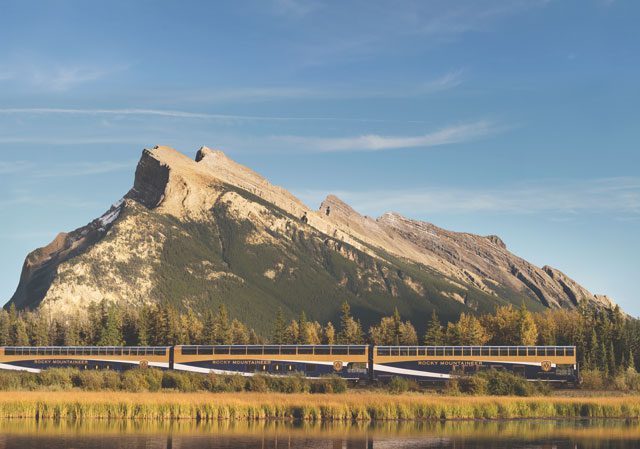
- Rocky Mountaineer: Offering luxurious and stylish rail journeys, this service provides four unique routes through Alberta and British Columbia. Widely regarded as one of the world’s best train experiences, it’s a must-try for rail enthusiasts.
Each of these options provides an opportunity to delve into Calgary’s railway history, witness the “railway boom,” and gain a deeper appreciation for the city’s past.