

Calgary is known as the true oil capital of Canada, but in recent years, the city has been actively trying to rewrite its energy story. In response to climate challenges, there is a growing preference for solar and wind power, even though the transition comes with significant obstacles. This calgary-name article explores how the city is moving toward renewable energy sources and the main hurdles it faces along the way.
Net-Zero Emissions by 2050
The City of Calgary has set an ambitious goal: to reduce greenhouse gas emissions by 60% from 2005 levels by 2030, and to achieve net-zero emissions by 2050.
Renewable energy plays a central role in this strategy. Calgary is actively investing in solar and wind farms, and installing panels on municipal buildings, schools, hospitals, and more. Notably, since 2012, all city operations, including public transport, have been powered by wind energy.
In addition, the city is implementing further energy efficiency measures, such as modernizing lighting, insulating buildings, and using ‘smart’ energy consumption management systems.
Harnessing Solar Power
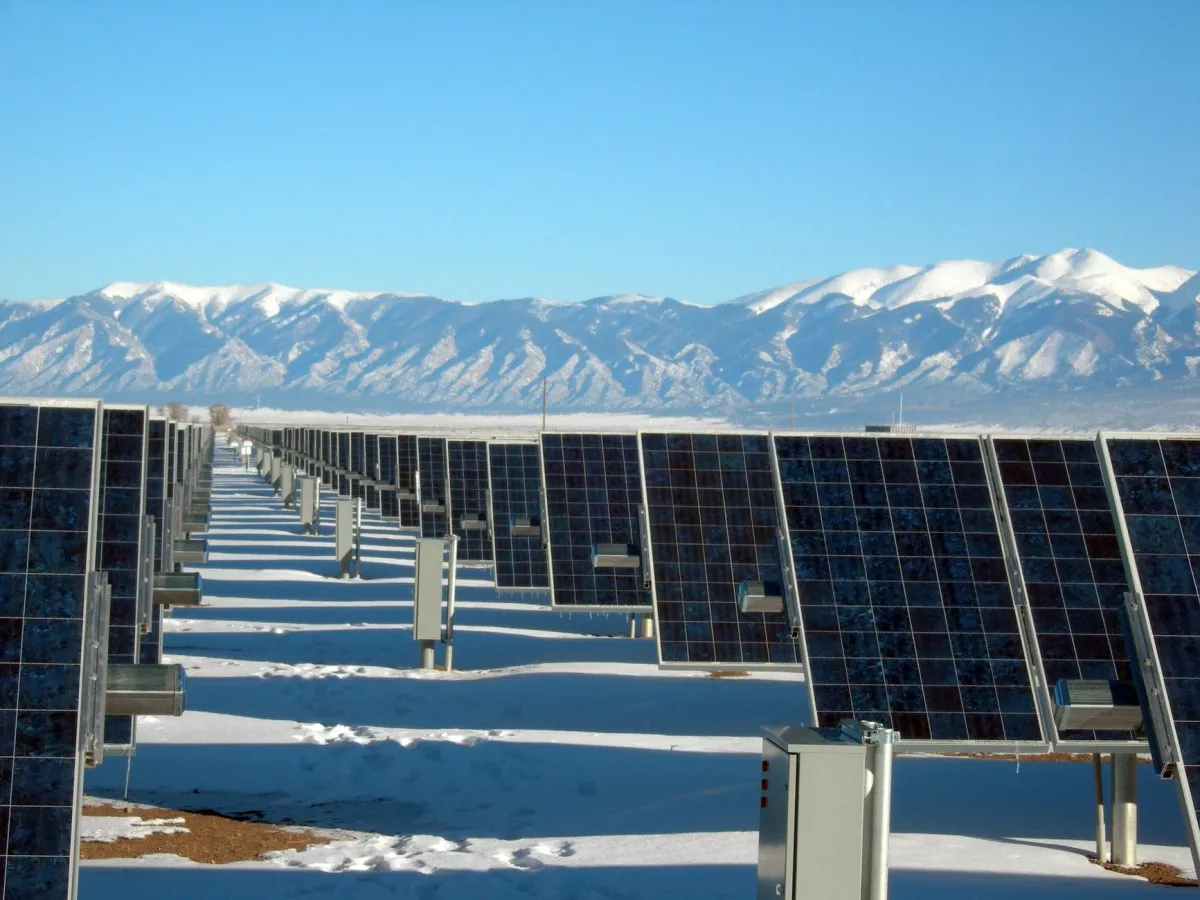
Calgary is considered Canada’s sunniest major city, boasting over 300 days of sunshine a year. This makes it an ideal location for developing solar energy. The local government is creating favorable conditions for a smooth transition to renewables. For example, in 2022, the city launched a free online solar energy calculator for residential properties.
This calculator allows residents who plan to install solar panels to evaluate their household’s energy potential. It estimates the environmental impact and costs, helping people decide whether to invest in the technology.
According to data, the city had installed panels producing 16 megawatts (MW) of energy by the end of 2022. This figure rose to 32 MW the following year, and then to 62 MW in 2024.
A prime example of successful solar adoption is the Southland Leisure Centre, which has over 600 solar panels on its roof. This installation generates enough power to supply 24 private homes.
Calgary’s rooftops have immense potential. Simply by capturing Southern Alberta’s abundant sunlight, solar photovoltaic panels could meet 23% of the city’s annual electricity needs.
Wind Energy Potential
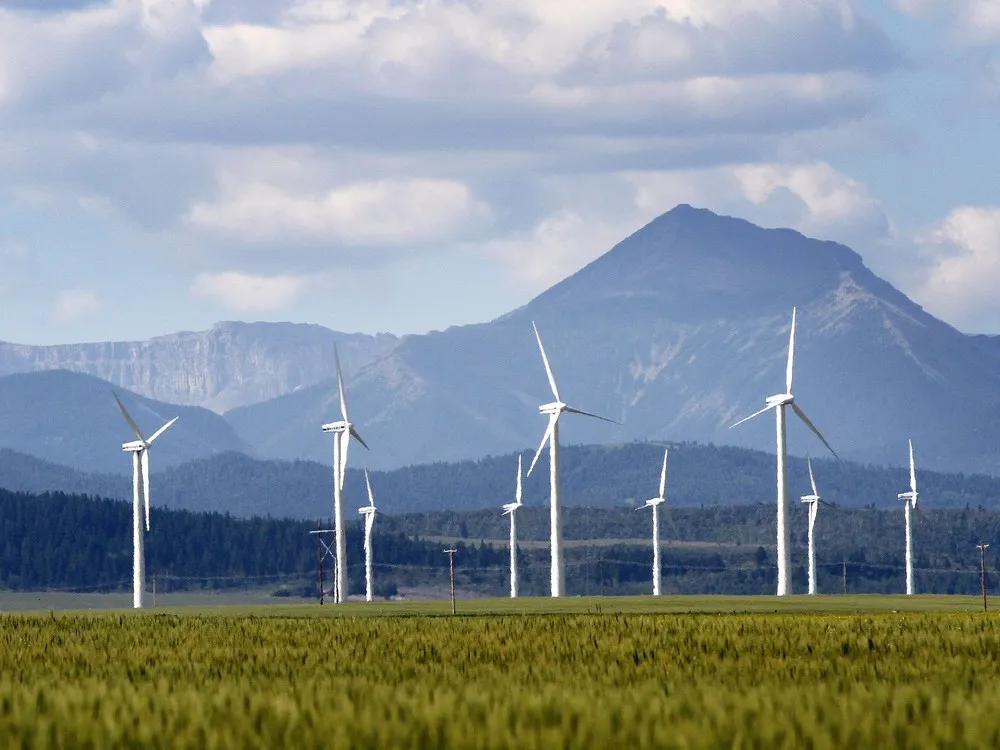
Calgary isn’t limiting itself to solar potential. Thanks to its flat terrain, open spaces, and consistent winds, the region is perfectly positioned to capitalize on wind energy.
One of the best-known wind farms near Calgary is the “Castle Rock Ridge Wind Farm.” This facility generates enough wind power annually to meet the needs of over 27,000 Canadian households. Projects like this help to reduce hundreds of thousands of tons of carbon emissions.
As mentioned, all municipal facilities have been using wind energy since 2012. The City of Calgary supports the shift to wind power through partnerships with energy companies and green electricity procurement programs for municipal buildings.
Bioenergy Initiatives
Bioenergy is also developing in Calgary, with the organic waste processing program being a key example. Tons of organic material are converted into gas every year. The Calgary Composting Facility is one of the largest of its kind in Canada. It produces high-quality compost from both food and yard waste. Moreover, since 2022, an anaerobic digestion module has been added to the plant, which converts waste into natural gas.
In addition, biofuel production projects are actively growing in the region. Leveraging Alberta’s strong agricultural base, crop residues are transformed into natural fuel, which is then blended with conventional fuel.
Ultimately, bioenergy also holds significant potential for the city.
The Challenges Ahead
Despite its ambitious goals and successes in renewable energy, Calgary faces several serious challenges in this transition. First and foremost, the city is historically intertwined with the oil industry. Calgary is the financial hub of the oil and gas sector. Many residents are employed in oil extraction and related fields, so the shift to alternative energy causes public apprehension.
This atmosphere led to the Alberta government beginning to widely cancel renewable energy projects. These cancellations are projected to increase electricity prices and result in financial losses for rural communities. The government claims this is because the renewable sector developed too quickly without proper regulation. However, the public largely views the cancellations as a result of vested interests within the oil and gas sector.
Another issue is the high cost of infrastructure changes. It is crucial for the municipality to find a balance between its environmental targets and the city’s financial capacity.
Therefore, Calgary’s path to a sustainable future is a complex process that demands technological innovation, political will, and the participation of its residents. Despite a strong reliance on the oil and gas sector, the city is gradually becoming an example for all of Canada, proving that a transition to clean energy is possible everywhere.