

Calgary can hardly be described as a city with a mild or predictable climate for plants. Winters here can be bitterly cold, spring is rarely in a hurry to arrive, and short summers swing wildly between heavy downpours and prolonged droughts. On top of that, gusty Chinook winds serve as a constant reminder to young plantings that city living offers little protection. Yet trees, shrubs, and grasses in Calgary do far more than just scrape by—they sustain a surprisingly diverse and resilient urban environment.
What grows here isn’t limited to species that spent millennia adapting to the Canadian prairies. A substantial portion of the modern ecosystem was brought in by humans—either intentionally or by accident—from other regions, countries, and even continents. These plants were introduced to public parks, private yards, and streetscapes. While some have remained neatly within their designated flowerbeds, others proved far more enterprising, aggressively spreading into Alberta’s wild landscapes. Read more at calgary-name.com.
Calgary’s Native Flora: Unique Survival Strategies for Canadian Winters
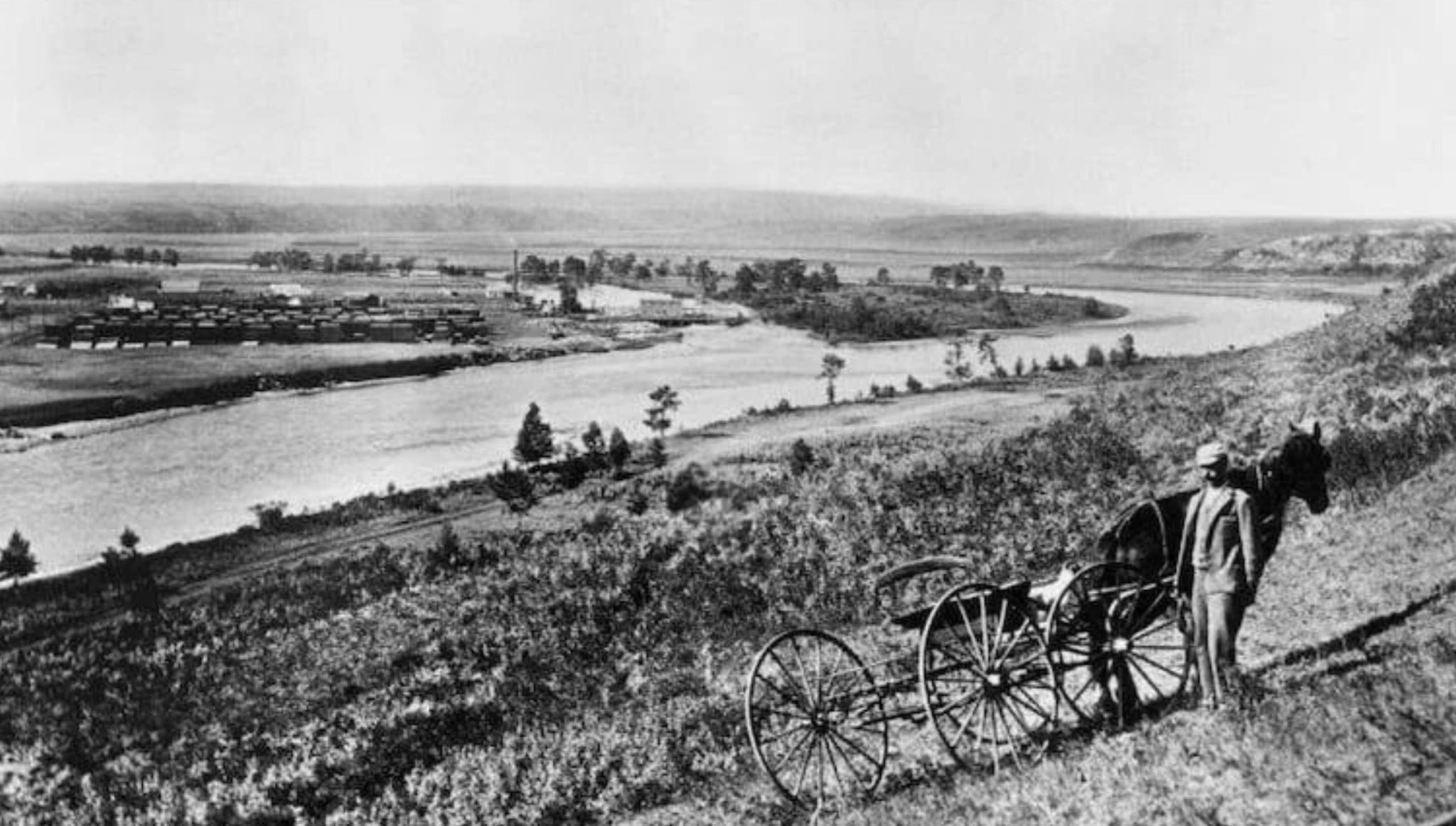
Native plants have an unmistakable evolutionary advantage over exotic imports: they evolved in this exact climate over thousands of years. Generation after generation, species native to Calgary and southern Alberta learned to withstand deep freezes, a punishingly short growing season, chronic water shortages, and dramatic temperature swings.
This natural resilience doesn’t rely on any magical defense against frozen soil. The survival mechanisms of Canadian flora are far more practical, yet remarkably effective: deep, well-structured root systems, a finely calibrated winter dormancy cycle, an ability to conserve moisture, and the knack for making the absolute most of a brief summer window to reproduce.
A prime example is the Prairie Crocus, a hallmark of early Canadian spring whose fuzzy stems insulate the bloom from lingering March frosts. Alongside it in Calgary’s wilderness, drought-resistant Saskatoon Berry bushes and stands of Trembling Aspen dominate the landscape. They have learned to endure winter Chinooks, which can suddenly melt snowpacks in mid-January and strip root systems of their natural thermal blanket.
Within Calgary’s built environment, however, the rules change. Vast stretches of asphalt, concrete high-rises, regular lawn irrigation, and landscaped beds produce an urban heat island effect. Microclimates formed alongside building walls are significantly warmer. As a result, the very same wild plant can follow two completely different biological trajectories in the heart of Downtown Calgary compared to the windswept hills of Nose Hill Park.
Calgary’s Invasive Plants: Alien Species Banned Under Alberta Law
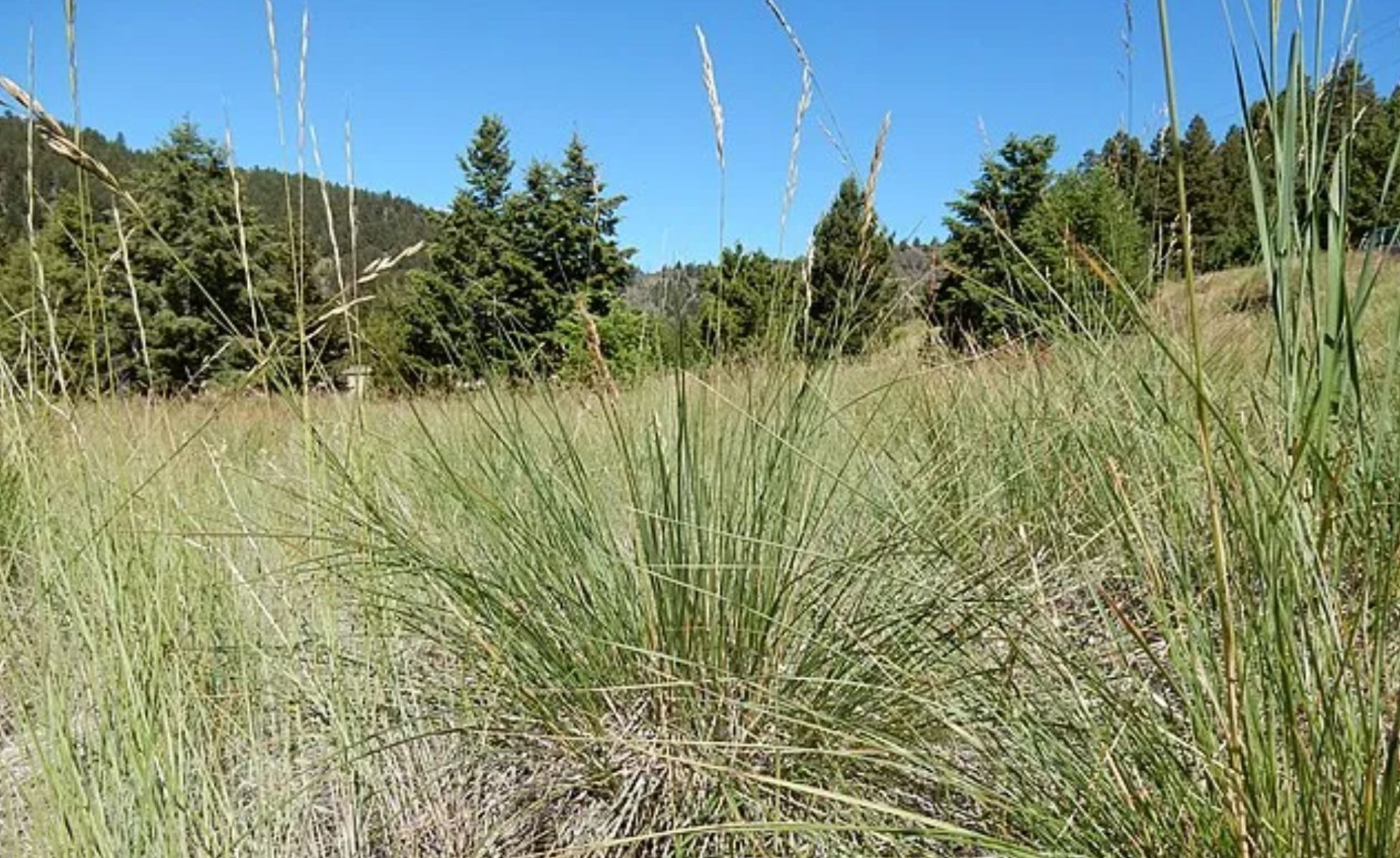
The appearance of non-native plants across Calgary’s landscape was never an accidental ecological fluke. In almost every case, humans are directly responsible. For centuries, aggressive weed seeds travelled unnoticed alongside agricultural shipments, construction materials, and livestock feed. Other species were introduced quite deliberately by gardeners looking for ornamental appeal or fast-growing greenery.
The real trouble begins when an introduced plant escapes the garden plot where it was set. When a non-native species can easily survive brutal Canadian winters, reproduce rapidly via root networks, and swiftly colonize disturbed ground, it goes on the offensive—relentlessly crowding out native vegetation.
Today, Calgary and the province of Alberta enforce the strict Weed Control Act, which classifies problem plants into two categories: “Noxious” and “Prohibited Noxious.” The chief villain in Calgary’s residential gardens is Creeping Bellflower. Behind its attractive purple blossoms lies an aggressive, bulbous root system capable of taking over entire lawns. Failing to control it on your property can result in significant municipal fines.
Himalayan Balsam represents an equally serious threat to the city’s natural parks. It aggressively takes over shaded banks along Odesa and Canadian water bodies, destabilizing shorelines and accelerating erosion. A complete directory of regulated species and land maintenance regulations is available in the City of Calgary Weeds Guide.
Winter Hardiness and Survival: How Alien Plants Adapt to Calgary’s Harsh Climate

The most intriguing biological battles happen when an introduced plant must survive its first Canadian winter unaided. For species originating from milder regions, you would expect prairie frosts to serve as an insurmountable barrier. Often, that is exactly what happens—tender exotics simply freeze and die. Yet a handful of aggressive weeds demonstrate a stubborn resilience that catches even seasoned botanists off guard.
Their greatest asset is the ability to complete their life cycle rapidly, build up massive seed reserves in the soil, or regenerate above-ground growth almost instantly after severe setbacks. Creeping Bellflower, for example, anchors thick, turnip-like taproots deep into the earth, unaffected by frozen topsoil.
What’s more, a single flower stem can release up to 15,000 viable seeds into the wind, where they rest comfortably beneath heavy snowdrifts until spring. The plant uses its underground rhizomes as a secure shelter throughout the cold months, ready to shoot up vigorously at the first touch of spring sunshine.
Beyond biological traits, modern urban development inadvertently rolls out the red carpet for these invaders. Infrastructure growth across Calgary routinely strips the natural prairie turf: construction crews install buried utilities, build roadways, erect downtown towers, and relocate thousands of tons of earth.
On these bare, disturbed grounds—where delicate native groundcover has been scraped away by heavy machinery—invasive pioneers find it exceptionally easy to take hold.
Calgary’s Ecological Challenges: Why Invasive Species Threaten Alberta’s Biodiversity
The insidious thing about invasive plants is that they rarely look dangerous. Most boast lush foliage, eye-catching blooms, and an entirely harmless ornamental presence. Because of this, the true scale of the problem often goes unnoticed until the damage is already done.
Intense competition from alien species can fundamentally alter native plant communities. Aggressive invaders block other vegetation from scarce water and nutrients, creating precarious conditions for local birds and insects that depend entirely on intact prairie habitats to survive.
That is why ongoing monitoring and invasive species management remain essential parts of the broader effort to protect Alberta’s fragile biodiversity.