

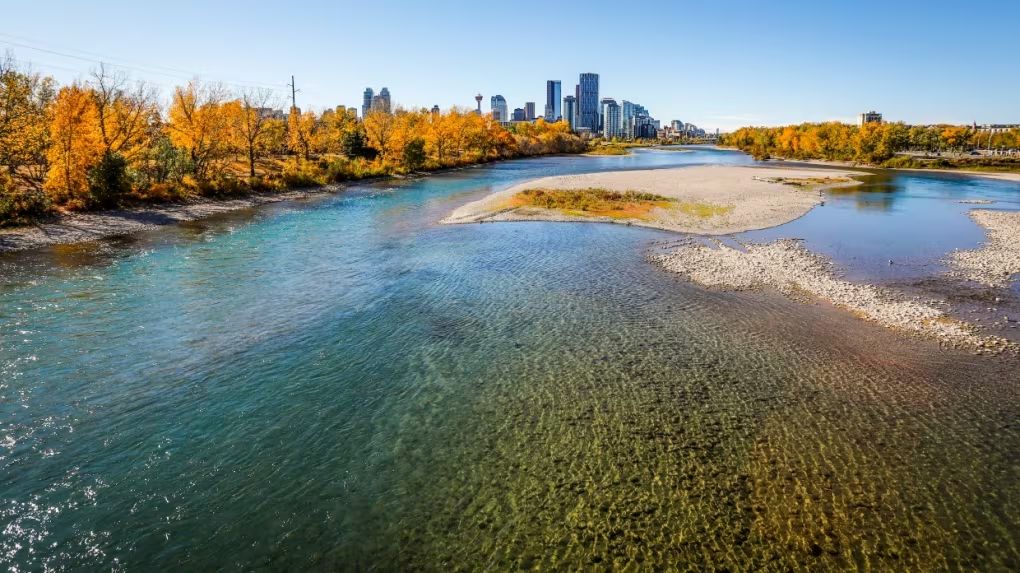
Known around the world for the Winter Olympics, towering oil headquarters, and the legendary Calgary Stampede, Calgary relies on a single, vital lifeline: the Bow River. This alpine-fed artery supplies drinking water to nearly 1.5 million people across the city and neighboring communities in Alberta.
Yet the Bow is notoriously unpredictable. Fed by alpine glaciers and Rocky Mountain snowpack, it turns into a raging torrent of silt and eroded sediment every spring. By late summer and fall, severe dry spells cause water levels to drop precipitously. Factor in Alberta’s wild temperature swings—where temperatures can plunge from +15°C to -20°C in a single day—and you have a logistical nightmare for the municipal water utility.
To prevent crises and protect the river’s pristine water, Calgary transformed its water infrastructure into a sprawling digital organism powered by artificial intelligence and thousands of smart sensors. Here is how the city bridged raw nature and cutting-edge tech, as explored on calgary-name.com.
A Cold Wake-Up Call in 2013: Why Calgary Turned to AI
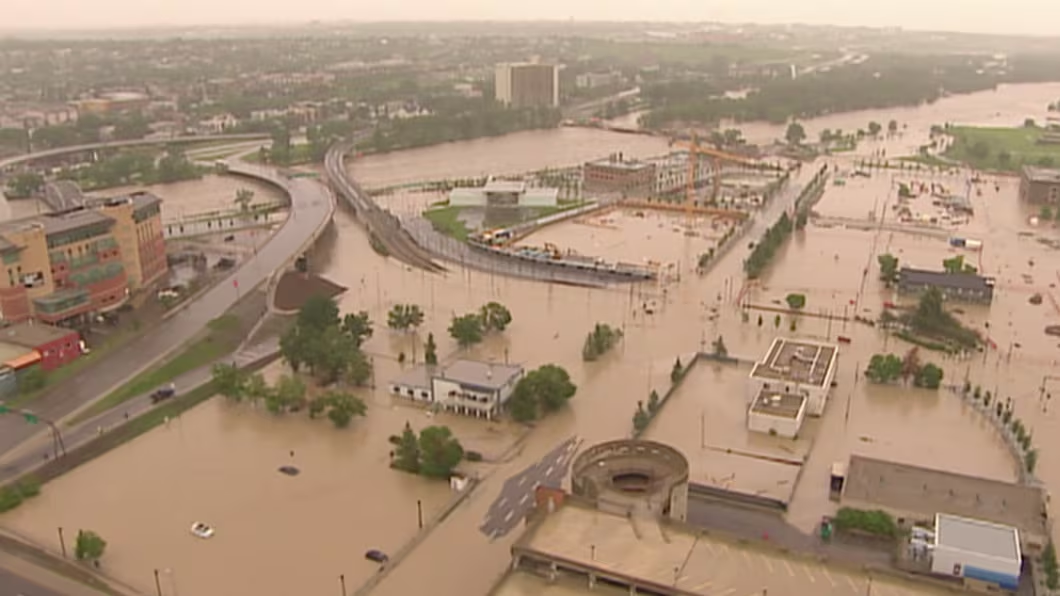
The catalyst for this sweeping digital overhaul was the catastrophic June 2013 flood. Heavy rainfall collided with rapid snowmelt in the Canadian Rockies, sending both the Bow and Elbow rivers surging over their banks and submerging parts of downtown Calgary. The disaster forced the evacuation of more than 75,000 residents and caused an astounding 6 billion Canadian dollars in damages.
Behind the scenes, however, an equally critical drama was playing out at the Bearspaw and Glenmore water treatment plants. Raging mountain runoffs inundated municipal intakes with massive volumes of silt, clay, and debris. Turbidity levels spiked hundreds of times over within hours.
The plants’ filtration systems were pushed to the verge of complete collapse.
- Flying blind on water turbidity. Traditional laboratory tests, conducted manually every few hours, simply could not keep up with the river’s rapid shifts. The water’s composition changed faster than technicians could calculate the necessary chemical dosages to treat it.
- A costly margin for error. A mere one-hour delay in adjusting chemical treatment risked an emergency shutdown of the entire city’s water supply—or devastating equipment failures that would cost millions of dollars to repair.
The 2013 flood served as an undeniable wake-up call for municipal officials. Engineers recognized that managing water resources the old-fashioned way—relying on intuition, veteran experience, and static spreadsheets—was simply unsustainable in the 21st century.
Their answer was an ambitious Smart Water ecosystem—a comprehensive digital network powered by machine learning and artificial intelligence. Rather than reacting to floods or droughts after the fact, digital twins of river basins and smart sensors began predicting water behavior well in advance, turning volatile natural events into actionable, controllable data.
Anatomy of a Digital River: From Mountain Streams to Kitchen Taps
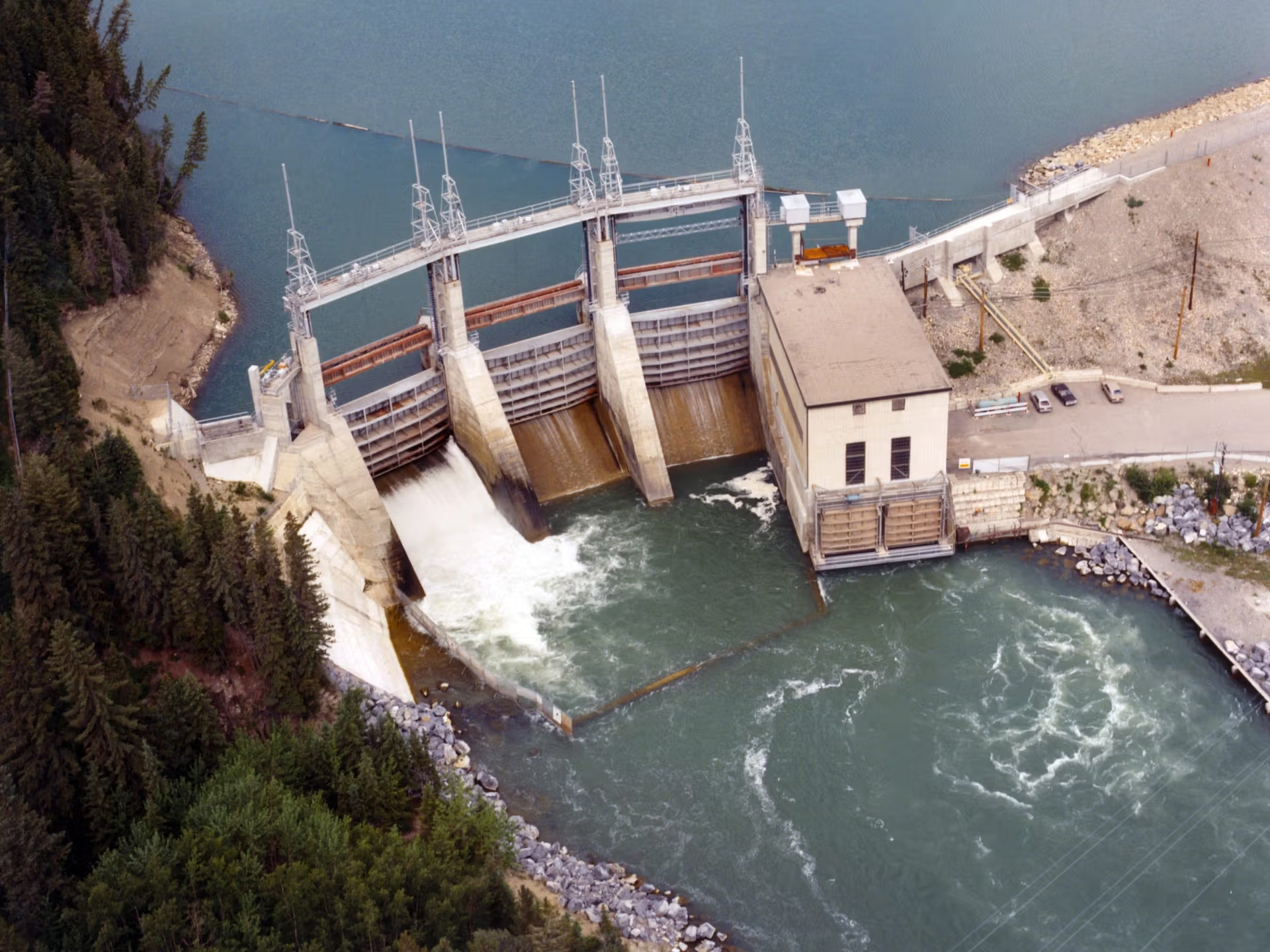
Calgary’s water supply is far more than a network of pumps and pipes—it is an intricate living organism providing clean drinking water to over a million people. Its twin lifelines are the Bearspaw treatment plant on the Bow River and the Glenmore facility on the Elbow River (the Bow’s primary tributary). To keep operations running smoothly under any conditions, the city deployed end-to-end AI coverage—from the very first snowflake falling in the Rockies to the tap in your kitchen.
Here is how this continuous digital pipeline operates in real time:
- Early warnings from mountain peaks (sensors and satellites). Monitoring begins hundreds of kilometers away in the Rocky Mountains. Ground-based sensor arrays track snowpack depth, soil temperature, and moisture levels, while weather satellites monitor incoming storms and glacial melt rates. The system anticipates rising water levels long before the first drop reaches city limits.
- AI-driven forecasting: predicting turbidity (ML models). Massive data streams feed directly into machine learning models. Unlike human operators working reactively, algorithms forecast river levels, flow velocities, and turbidity 6, 12, and 24 hours in advance. AI accurately predicts variables that once felt like a guessing game.
- Precision chemistry (automated dosing at treatment plants). When a wave of sediment approaches the Bearspaw or Glenmore intakes, the system does not wait for operators to manually adjust chemical feeds. Instead, the AI calculates precise micro-dosages of coagulants and sends real-time commands to the pumps. Dosing is adjusted with surgical accuracy, eliminating human delay and error.
- An ecological shield for the Bow River. The system is designed not just to treat municipal drinking water, but also to protect the river itself. Optimized effluent discharge and strict chemical management ensure that return flows maintain the Bow’s delicate biological balance, shielding aquatic life from industrial shock.
This seamless digital pipeline has turned the unpredictable battle against nature into a finely tuned algorithm. Water in Calgary’s taps remains crystal clear—no matter what volatile weather brews up in the Canadian Rockies.
Traditional Water Utilities vs. Calgary’s AI-Powered System
| Metric | Traditional Approach | Calgary’s AI-Powered System |
| Response to water quality shifts | Reactive (manual lab tests, 1–3 hour delay) | Predictive (forecasts 24–48 hours in advance) |
| Chemical reagent consumption | Elevated (excess safety margins) | Precision-calculated in real time by algorithms |
| Pipeline leak detection | Reactive (after pooling on surface or major bursts) | Acoustic AI sensing at the earliest micro-fracture stage |
| River ecosystem impact | Risk of substandard effluent release during flow spikes | Strict, automated quality control over all water returned to the Bow |
Clean Water, Thriving Trout: Why Digital Monitoring Rescued Calgary’s Tourism
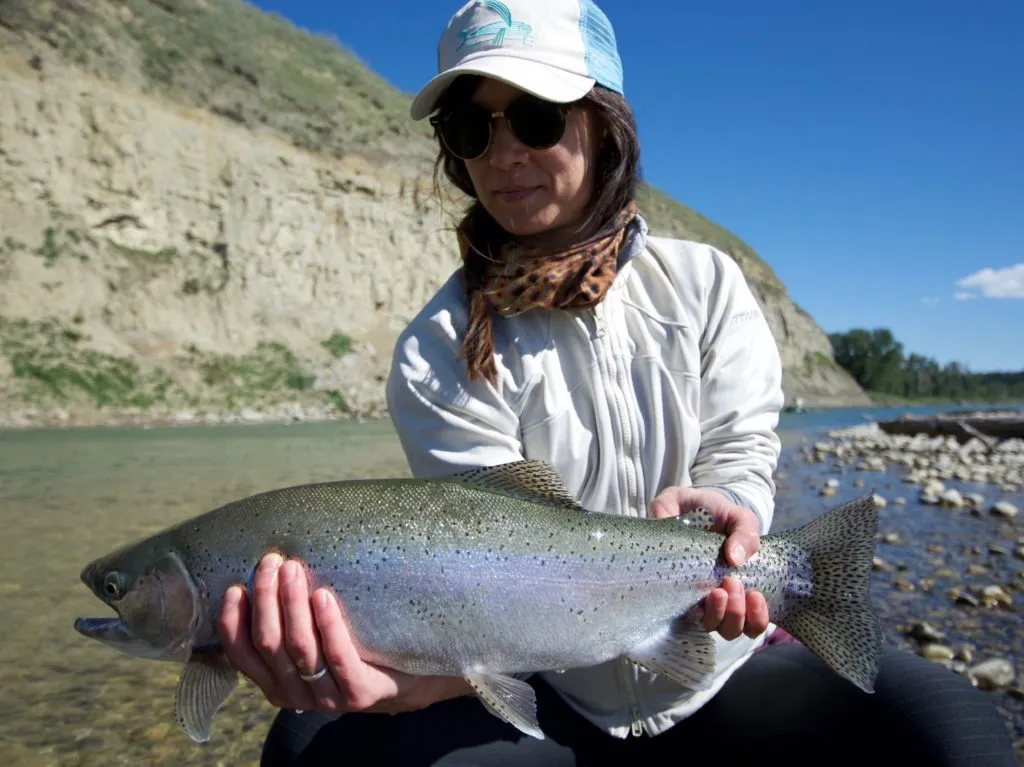
The reasons Calgary invests millions into AI-driven effluent monitoring extend far beyond municipal regulations and public health codes. The Bow River is neither an industrial canal nor a utility retention basin. It is one of North America’s premier world-class blue-ribbon fisheries for wild trout, drawing thousands of anglers and eco-tourists to Alberta every year.
Wild rainbow and brown trout are exceptionally sensitive species. They react immediately to the slightest dip in dissolved oxygen, subtle temperature spikes, or suspended sediment. A single operational failure or improperly treated effluent discharge could decimate populations that took decades to establish.
This is where the city’s flagship wastewater treatment plant, Bonnybrook, comes into play. Calgary’s wastewater undergoes advanced multi-stage treatment and returns to the Bow under the round-the-clock supervision of machine algorithms. Paradoxically, thanks to real-time AI monitoring, the water discharged from the facility is often cleaner than the river water itself across multiple chemical parameters.
Bonnybrook’s digital system operates as an uncompromising environmental safeguard:
- Preventing oxygen depletion. Algorithms monitor ammonia and phosphorus concentrations in real time. Even trace surpluses of these nutrients can trigger explosive algae blooms, which strip oxygen from the water and cause massive fish die-offs. The AI manages biological treatment cycles so harmful compounds are neutralized long before discharge.
- Thermal and chemical equilibrium. The temperature of treated water is continuously calibrated to match ambient river conditions, preventing thermal shock to aquatic life.
Ultimately, these high-tech municipal investments directly support Alberta’s outdoor tourism economy. While machine algorithms quietly safeguard every liter of discharged water, anglers along the Bow continue to experience world-class fly fishing in a pristine river environment.
The Quirks of a High-Tech Aqueduct
Of course, deploying artificial intelligence into the gritty reality of municipal utilities came with its share of amusing hiccups.
During the early rollout of acoustic leak-detection sensors, the system repeatedly raised false alarms. As it turned out, the neural network mistook late-night vibrations from heavy transport trucks and the grinding roar of street-cleaning machinery for “catastrophic trunk main ruptures.” Engineers had to spend months training the model to distinguish between a passing snowplow and a cracked cast-iron water pipe.
Then came Canada’s most determined native engineers: beavers. These industrious builders periodically throw up dams in unexpected tributary channels along the Bow. The unannounced structures threw off hydrological forecast models, prompting data scientists to tweak algorithms to account for the unpredictable “beaver factor.”
A Digital Aqueduct for a Changing Climate
For Calgary, digitizing its waterways is far from a vanity project to earn a trendy “Smart City” badge or pad annual reports with buzzwords. It is a necessary adaptation to a changing climate. The Rocky Mountain glaciers feeding the Bow River are steadily receding. Under these conditions, every liter of alpine water becomes a precious strategic resource, and the margin for engineering error shrinks dramatically.
The Canadian city’s experience demonstrates that artificial intelligence is capable of far more than generating images or drafting text. In the hands of pragmatic city planners, it has become a reliable digital shield for the physical world. Machine algorithms have done more than optimize municipal routines—they have learned to forecast nature’s volatile mood swings several steps in advance.
This technological symbiosis has delivered three critical wins for the city:
- Financial resilience. Millions of taxpayer dollars saved through pinpoint chemical dosing and proactive protection of multi-million-dollar treatment infrastructure.
- Resource security. Uninterrupted drinking water guaranteed for residents even during peak spring floods or severe summer droughts.
- Ecological preservation. Protection for the fragile, vibrant ecosystem of one of North America’s most iconic rivers.
Calgary has proven to the world that the future of smart urban management belongs not to those who merely harvest terabytes of data, but to those who can turn that data into crystal-clear drinking water at the tap and a thriving, healthy river in the wild.
