

Calgary has a fairly effective waste management system that employs technologies designed to minimize harm to the environment and human health. But how did this system develop? Read on to learn about the history of Calgary’s waste management, from the first waste recycling program to the establishment of modern waste recycling plants. More on calgary-name.com.
The First Garbage Containers
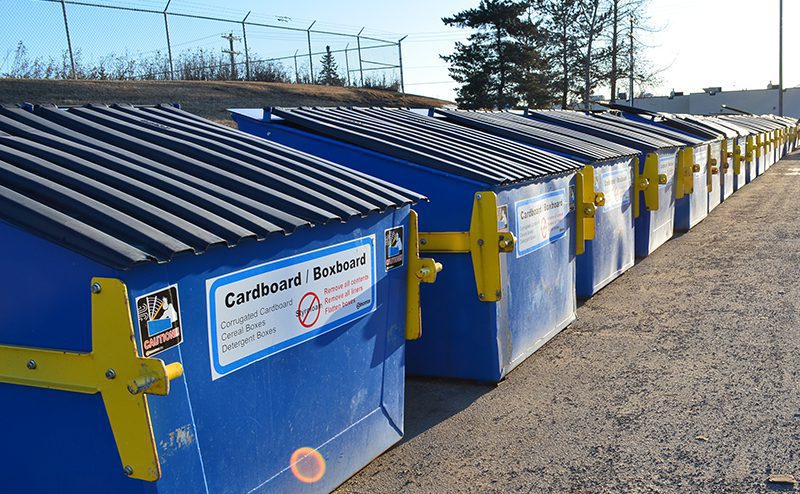
In 1991, the city launched a pilot project exploring options for household waste recycling, including the idea of placing blue bin carts on the streets. The idea was implemented as it proved to be the most efficient and cost-effective way of collecting trash.
Waste from the blue bins was placed on a conveyor belt, where workers would remove items that couldn’t be recycled, such as propane tanks, toasters, and batteries. Some items, like plastic bags, were sorted manually. After that, various machines would sort the recyclable materials.

Soon after, the city began collaborating with Cascades Recovery+ to ensure that recyclables were directed to the proper places and handled only by authorized recyclers and manufacturers.
In 1992, the city created its first seven dedicated bins for collecting, sorting, and transporting waste. Initially, these bins accepted only newspapers, glass, and metal cans. Over time, the range of accepted materials expanded.
Tree, Tire, and Electronics Recycling
In 1992, the first collection of Christmas trees took place, with over 140 tons of trees collected across the city. Calgary residents were instructed to place their cut trees in green carts, removing all decorations and lights and cutting the trees into small pieces.
In 1997, a three-year tire recycling project began. During this period, over 2 million tires were removed from the Shepard landfill. The tires were shredded and recycled into rubber bricks and playground equipment.
In 2003, 220,000 kg of electronic equipment were also recycled.
Composting of Leaves and Household Waste
The leaf composting program in residential neighborhoods was launched in 1991. Then, in 2004, a composting facility was opened where 1,635,000 kg of leaves and pumpkins were composted in just one year.
In 2010, black bin carts were introduced for single-family homes. These bins can hold up to 60 kg of waste, or four standard garbage bags.

A significant source of greenhouse gas emissions contributing to global climate change comes from the decomposition of organic waste in landfills. Realizing that food waste and yard materials made up more than half of Calgary’s household waste stream, the city began developing a sustainable way to manage this material.
In 2010, the city developed a master plan for organic waste and biosolids management. According to studies, composting was the best method for waste disposal. This method involved collecting food waste from residential and commercial properties and delivering it to a closed composting facility at the city’s waste treatment plant.
In 2012, the Green Cart pilot project was introduced in four Calgary communities. In one year, nearly 2 million kilograms of food and waste were composted. That same year, the city engaged the company Jacobs to assist in the development of a new site for processing organic waste, recycling segregated household and commercial solid waste, and treating wastewater.
Natural Disaster Cleanup
During the large-scale flood in June 2013, around 100,000 tons of waste appeared at the city’s landfills. City crews spent weeks traveling through Calgary neighborhoods helping residents with cleanup.
In 2014, a new large-scale recycling facility, East Calgary Landfill, was established in the eastern part of Calgary. That year, a heavy snowfall caused significant damage to thousands of trees in the city. Over 26 million kilograms of tree waste were sent to the landfills, which is roughly the size of a football field at McMahon Stadium, 40 meters deep.
In 2015, the city introduced an online tool to remind residents of their blue, black, and green cart collection days. Since then, residents have been able to download and print their own calendars or subscribe to automatic reminders via email, text messages, or voicemail.
New Composting Facility
In 2017, the city opened the largest composting facility at the time, covering 521,000 square feet. The plant began using container-based composting technology, where the internal temperature, humidity, and aeration of the containers are controlled to ensure no leaching or odor.
It takes approximately 60 days to produce nutrient-rich compost at this facility, whereas other composters using traditional windrow systems can take up to 6 months or more to produce high-quality compost ready for sale.
In just one year, over 100,000 tons of organic waste, including food scraps, leaves, and yard waste, were processed. The composting of dehydrated biological solids from the Bonnybrook wastewater treatment plant allowed the facility to operate almost at full capacity year-round, minimizing underutilization during the winter months.
The facility produces Category A compost from green materials, which is safe for use in various applications such as farms, gardens, parks, etc. The final product meets the highest industry and regulatory standards. Samples of each batch of compost are sent to a certification lab in Ontario for testing. After about 30 days of testing, the product receives a certificate for sale as a finished compost product.
In 2017, as part of the organic waste management strategy, the Green Cart Food and Yard Waste program was launched, reducing the amount of waste sent to landfills from single-family homes by 46%. However, the city’s goal was to reduce landfill waste by 70%. That same year, over 320,000 new green carts were distributed to single-family homes for food and yard waste collection.
Solar Power Stations
Landfills are often well exposed to sunlight due to the lack of vegetation. Another advantage of using solar energy at landfills is the existing infrastructure nearby. Therefore, it is a good investment opportunity.
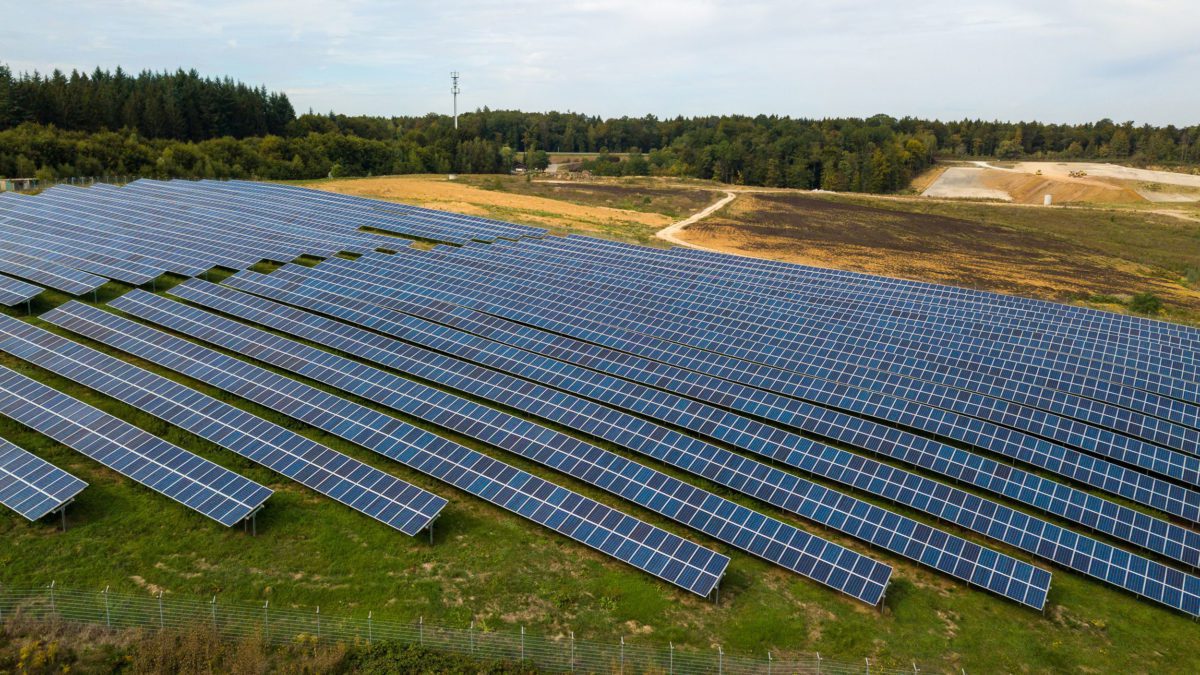
In 2018, the Shepard landfill completed Calgary’s first ground-mounted solar photovoltaic project, named Shepard Solar Park. This project, with a total capacity of 4,392 kW, was created to power the city’s composting facility and nearly 750 small homes annually, helping avoid over 3,600 tons of greenhouse gas emissions per year.
The project was implemented in partnership with the Alberta Municipal Solar Program and ENMAX Energy Corporation, at a cost of $8.46 million USD, with over $2 million invested by the Alberta Municipal Solar Program and $1.4 million by the city.