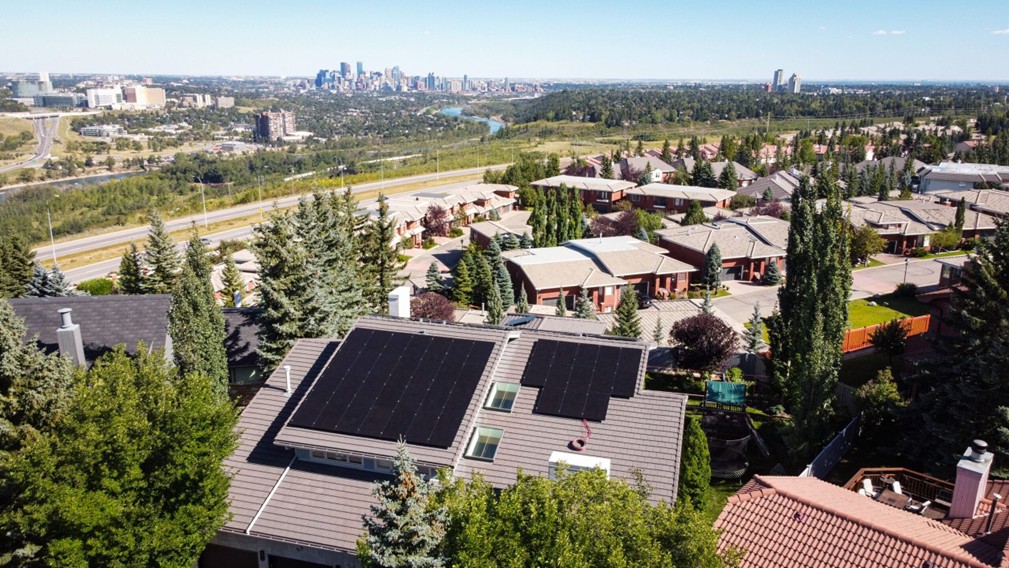
The issues of ecology and energy security are becoming increasingly pressing in the modern world. That’s why solar energy, along with other renewables, is vital for reducing emissions in Calgary and achieving net-zero by 2050. This is not just a step toward reducing reliance on fossil fuels and cutting greenhouse gas emissions; it also creates new economic opportunities, job creation, and stimulates technological innovation. More details from calgary-name.
Net-Zero Emissions by 2050
The City of Calgary has set itself some highly ambitious goals: a 60% reduction in greenhouse gas emissions below 2005 levels by 2030, and net-zero greenhouse gas emissions by 2050.
Achieving these goals requires taking action on Calgary’s fair share of global greenhouse gas emissions by using energy more efficiently. Calgary is joining other cities worldwide to reduce the impacts of global warming and climate change. Here is a list of tangible actions to achieve this:
- Focusing on actions and programs for residential communities, commercial buildings, mobility options, and energy supply.
- Protecting, restoring, and sustaining the natural environment.
- Providing resources to Calgary residents.
Key City Projects
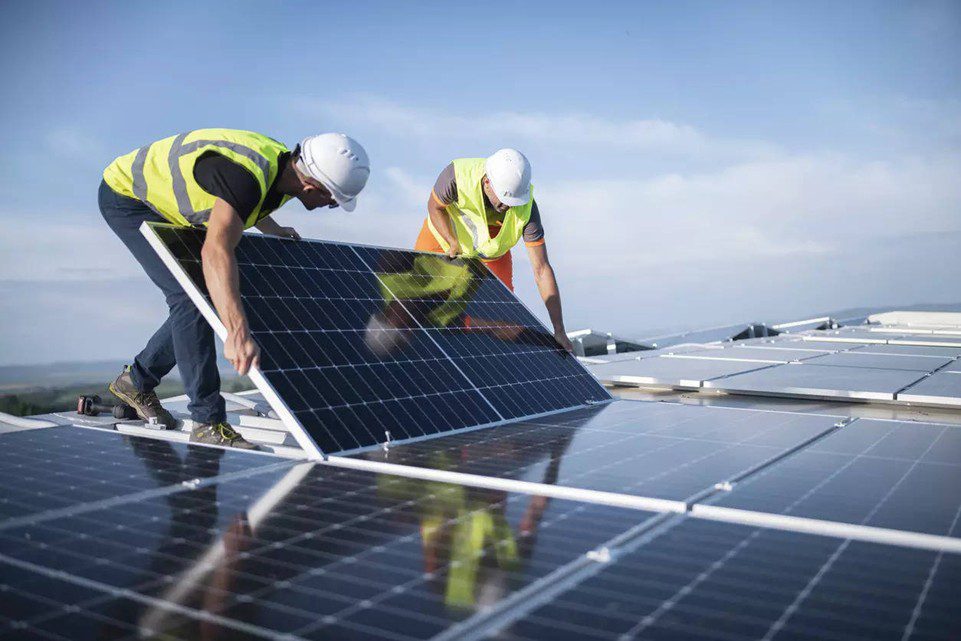
Calgary supports the installation of rooftop solar photovoltaic (PV) systems through funding programs and other means. For example, over 24 solar PV systems have been installed on city buildings, capable of generating more than 7 megawatts of electricity. Calgary also partners with ENMAX to fund solar systems through the ENMAX Community Solar Fund. Let’s look at some successful projects in the city.
- Haskayne Legacy Park Solar Project. Renewable energy powers one of the city’s greenest buildings. Construction was completed in December 2020. Key facts about the project: 84 solar panels, 400 W capacity each; over 43,000 kWh of renewable energy per year; supplies nearly all the electricity used by the building. This solar project cost approximately $112,300, with the City receiving $25,200 from the Alberta Municipal Solar Program.
- Shepard Landfill Solar – the city’s largest solar installation. This project was Calgary’s first ground-mounted solar installation. The project includes 10,800 solar panels, 400 W capacity each, estimated to produce over 5,400,000 kWh of renewable energy per year. Shepard Landfill Solar supplies 1/3 of the electricity used by the Calgary Composting Facility. The project was implemented in partnership with the Alberta Municipal Solar Program and ENMAX Energy Corporation. The total project cost was $8.46 million, with over $2 million invested by the Alberta Municipal Solar Program.
- Bearspaw Water Treatment Plant. Solar energy at the water treatment plant helps ensure clean drinking water. The project includes 1,740 solar panels, 360 W capacity each, estimated to produce over 939,500 kWh of renewable energy per year. It is planned to generate electricity for over 20 years. The city’s investment was $950,000, of which $400,000 was received from the Alberta Municipal Solar Program. The project is connected to the water treatment plant. The estimated payback period is 10 years due to utility cost avoidance.
- Renfrew Solar Canopy. This project provides renewable energy and protection from extreme weather. The Renfrew Solar Canopy includes 2,292 solar panels, 525 W capacity each. The project is expected to generate over 1.2 million kWh of renewable energy per year. The Renfrew Solar Canopy supplies more than half the electricity used by the Telus Spark Science Centre.
- Southland Leisure Centre. The project’s solar energy helps generate electricity and save costs. The project includes 600 solar panels, 225 W capacity each. The Southland Leisure Centre generates enough electricity for 24 average Calgary homes. It is planned to generate electricity for over 25 years.
These solar projects are important, strategic investments in Calgary’s economy and the city’s climate resilience. These projects are funded by the city, provincial, and federal grants. It is important to note that city investments in solar energy help lower utility costs. This is a way to obtain emission-free electricity. For large solar projects, the payback period can range from 10 to 12 years.
Why is This Relevant?
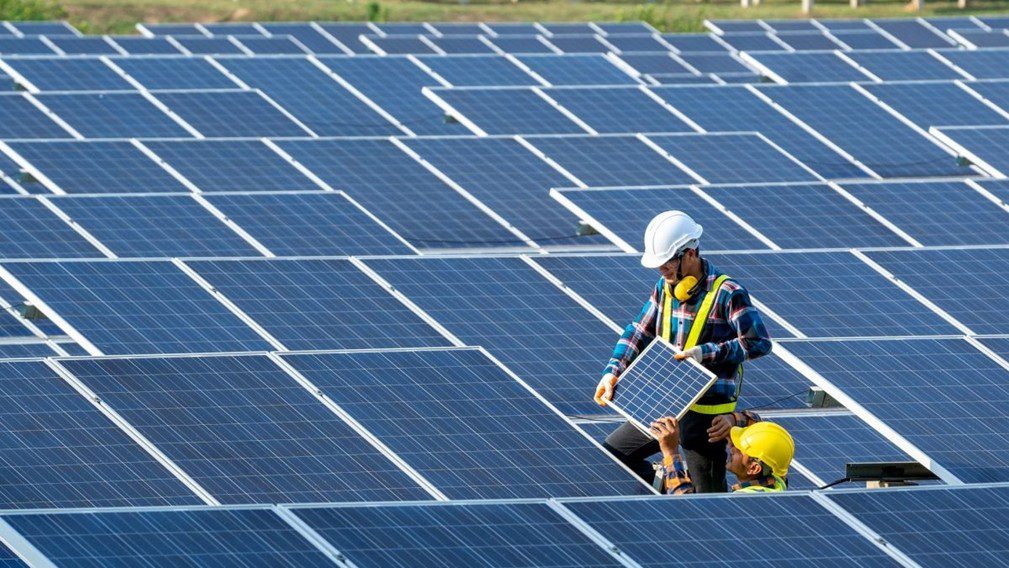
The development of solar energy in Calgary, as with other renewable sources, is a pressing issue. Let’s look at the reasons.
- Alberta is famous for its oil and gas reserves, but it also has significant potential for solar energy use. This is especially true during the summer months with many sunny days.
- The Governments of Canada and the Province of Alberta continue to implement various programs and initiatives aimed at supporting renewable energy sources. This includes financial incentives and tax breaks for installing solar panels.
Given all this, it is safe to say that solar energy is attractive not only for commercial enterprises but also for private households.
How to Power Your Home or Business with Solar Energy
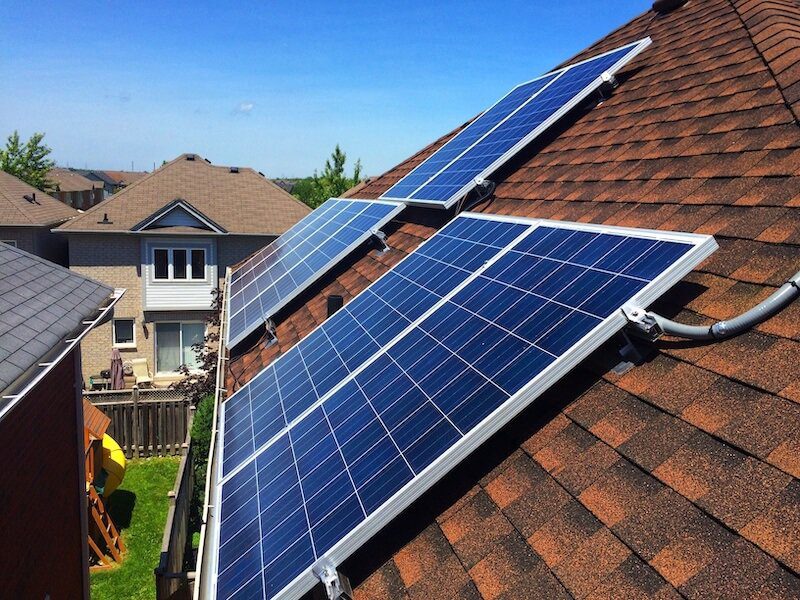
On average, Calgary receives over 2,300 hours of sunshine every year. This makes the city ideal for solar energy. This has encouraged many residents, private homeowners, and commercial enterprises to start using solar power.
Here are some key benefits of this solution.
- A contribution to the environment, namely reducing greenhouse gas emissions.
- Expanding Calgary’s electricity grid by adding renewable energy sources.
- Solar energy functions as backup power in conjunction with a battery.
- Another significant advantage is that it reduces utility bills by lowering electricity costs.
For example, the Bhargava family home already utilizes all the above-mentioned benefits, receiving electricity thanks to a solar PV system. You can learn more about their experience by watching the video.
Residential Solar Calculator
It can be useful for residents to learn how to estimate their home’s solar potential. This provides an idea of the approximate costs and payment options. The residential solar calculator is intended for single-family homes in Calgary and is for informational purposes only. For accurate data, it’s best to consult a professional solar installer. Specialists will consider the site, the system design, and provide the exact installation price and other important information.
To use the Residential Solar Calculator yourself, you need to select your home on the map or enter the address in the search bar. The next step is to enter electricity consumption information: either your electricity bill or select the size of your dwelling. After this, Calgary residents click the “Calculate your solar potential” button.
The City of Calgary is growing and developing, creating a healthy, safe, and caring community.