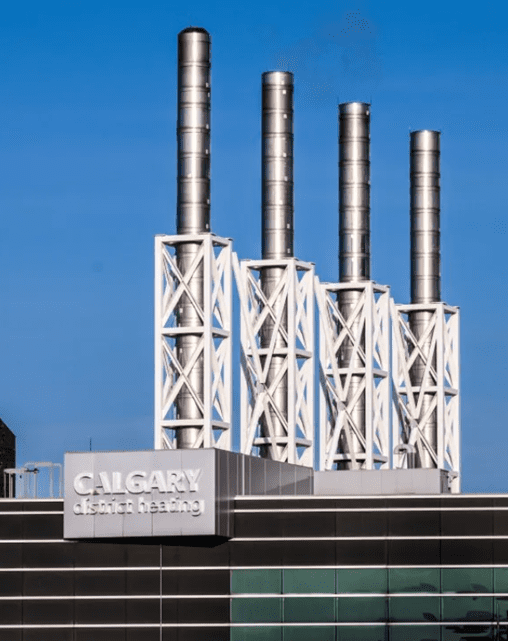
The invention of heating is a major milestone in the life of any city. It’s not just about convenience; it’s a vital necessity. In Calgary, situated in a region known for its harsh winters, this issue is particularly critical. To understand how heating evolved in Calgary, we need to delve into its development history. More details from calgary-name.
A Brief Overview
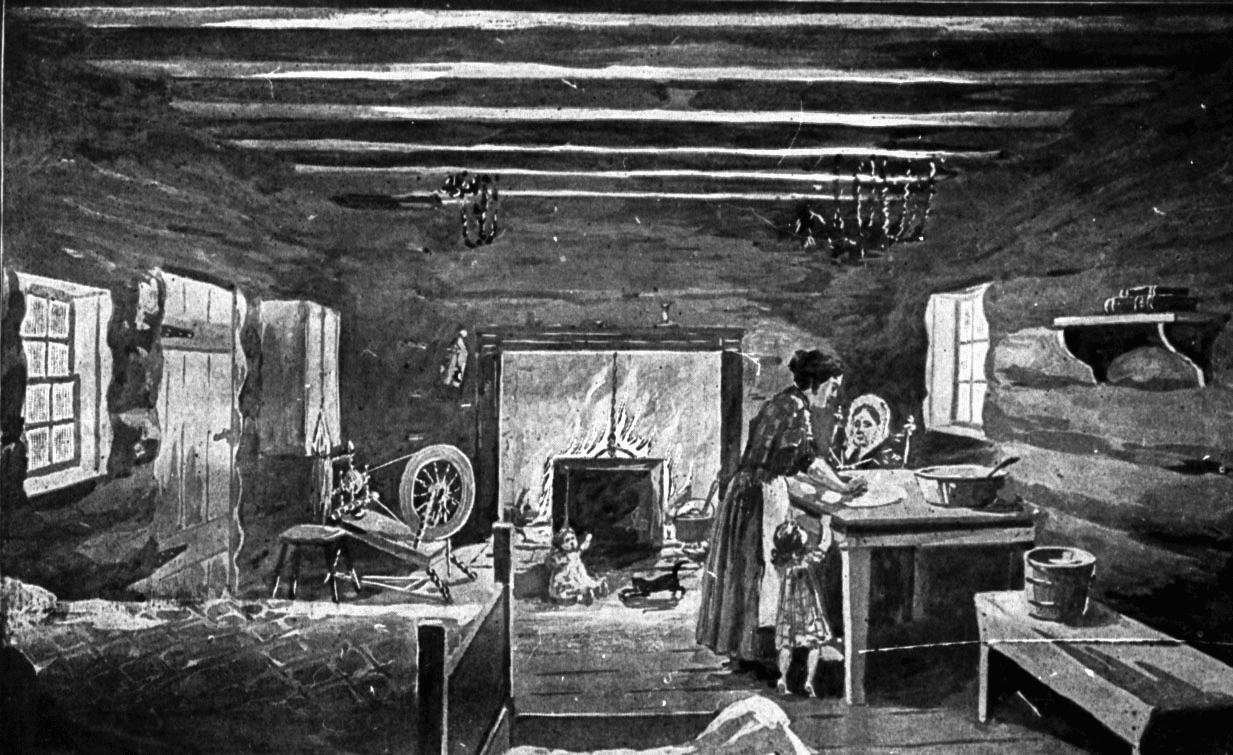
Braghm Trim detailed the earliest history of heating systems in Calgary. Before these developments, heating relied on biomass and coal. Early systems consisted of rudimentary stoves and fireplaces, with heat sometimes produced by pipes running through an underfloor system.
The invention of the circulating fireplace spurred the development of modern heating systems. This fireplace drew cold air from a rear vent, heated it, and pushed the warm air into the room through openings.
In the 1700s, a duct system was developed that supplied combustion air from the outside. In those years, this was effectively the first attempt to create a system that could warm a house via ducts. This idea, combined with more complex fireplace designs and other heating appliances, contributed to the creation of the first model of a modern heating system. This system continued to evolve until the late 1700s, when central heating with dedicated ducts for each room was introduced.
History of the Heating Industry
In 1995, C. Lorraine Lounsberry published the book, “For Health and Comfort: A History of the Plumbing and Heating Industry in Calgary and Southern Alberta, 1880-1950.” Reviewing the book reveals that the period described (1880-1950) was marked by rapid city growth and technological progress. This period can be chronologically divided and analyzed in more detail.
- Starting in 1880, heating in Calgary, like in other frontier towns, relied on simple methods. This involved using wood and coal stoves and fireplaces in individual rooms. As the city grew and buildings increased in size, Calgary saw a transition to more centralized heating systems.
- The next period spans the late 19th and early 20th centuries. The heating industry developed, with the introduction of furnace systems. Initially, these were coal-fired systems that distributed warm air throughout the building through ducts. Steam heating and hot water heating systems became widespread, especially in larger commercial buildings and affluent homes. These solutions provided residents with stable heat.
- By 1950, the history of heating in Calgary was characterized by the further refinement of systems and a growing dependence on natural gas as a fuel source. This was especially relevant given the resources, capabilities, and prospects of the Province of Alberta. The first thermostat appeared in the 1920s, and heating systems began to resemble modern ones. These systems quickly became popular due to their accessibility even for Calgarians on a limited budget.
The book was commissioned by the Mechanical Contractors Association of Alberta, Southern District.
Modern History
Calgary residents have access to district heating. This applies to both existing and new buildings. According to official data, approximately 50% of all connected buildings are newly constructed, and the other 50% are existing structures that have been modernized to use district energy. Here are a few facts about heating in Calgary:
- Nearly 6 million square feet of new and existing commercial and institutional space are heated in the city.
- 22 buildings are connected by thermal pipelines, spanning over 12,000 meters.
- Approximately 100,000 Calgary residents use district heating daily.
The Calgary District Energy website includes a map showing the connected buildings.

District Energy
When discussing heating in Calgary, District Energy is worth highlighting. This company provides residents with sustainable, reliable, and environmentally friendly heating services for residential and commercial buildings. The company is actively reducing the carbon footprint of the thriving East Village and the downtown core. District Energy is a supplier of reliable, environmentally responsible thermal energy.
If you look closer at carbon emissions in commercial buildings, approximately 80% are related to heating. That’s why the modern history of heating in Calgary is linked to the constant search for ways to minimize the carbon footprint. And in this context, Calgary District Heating is a valuable tool for centralizing and scaling emissions reduction.
Studies have shown that greenhouse gas emissions from district heating can be up to 30% lower than the cumulative emissions from self-generated energy in the same buildings. Therefore, District Energy offers an ecological choice for sustainable and reliable energy production.
In conclusion, the history of heating in Calgary demonstrates an incredible evolution: from simple wood and coal stoves to more complex centralized heating systems. These changes have improved the living conditions of city dwellers. However, modern Calgarians are now also making ecological choices, striving to reduce carbon emissions.