Picture a winter day in Calgary. The air is piercingly cold, the thermometer stays firmly below freezing, and the crunch of snow underfoot serves as a reminder of Alberta’s harsh character. Yet, inside a modern residential complex, it’s cozy and warm. There’s no hum from massive gas boilers, no strange smells, and no dread of astronomical utility bills. This isn’t magic or sci-fi from the distant future. This is geothermal energy. It is already reshaping our understanding of how modern cities should be built and heated.
Alberta has always been famous for its underground wealth. Today, however, the focus of architects and builders is shifting. Instead of extracting and burning, they prefer to borrow energy from nature and give it back. Why are more and more developers in Calgary abandoning classic solutions in favor of underground heat? Let’s figure it out together with calgary-name.
How It Works: A Giant Battery Right Under Our Feet
You don’t need to be an engineer to grasp the essence of geothermal innovations. The logic is surprisingly simple and elegant. While the earth’s surface takes the brunt of weather extremes—from summer heatwaves to severe frosts—absolute stability reigns just a few meters below. The ground maintains a consistent above-freezing temperature all year round. In essence, it acts as a giant natural battery.
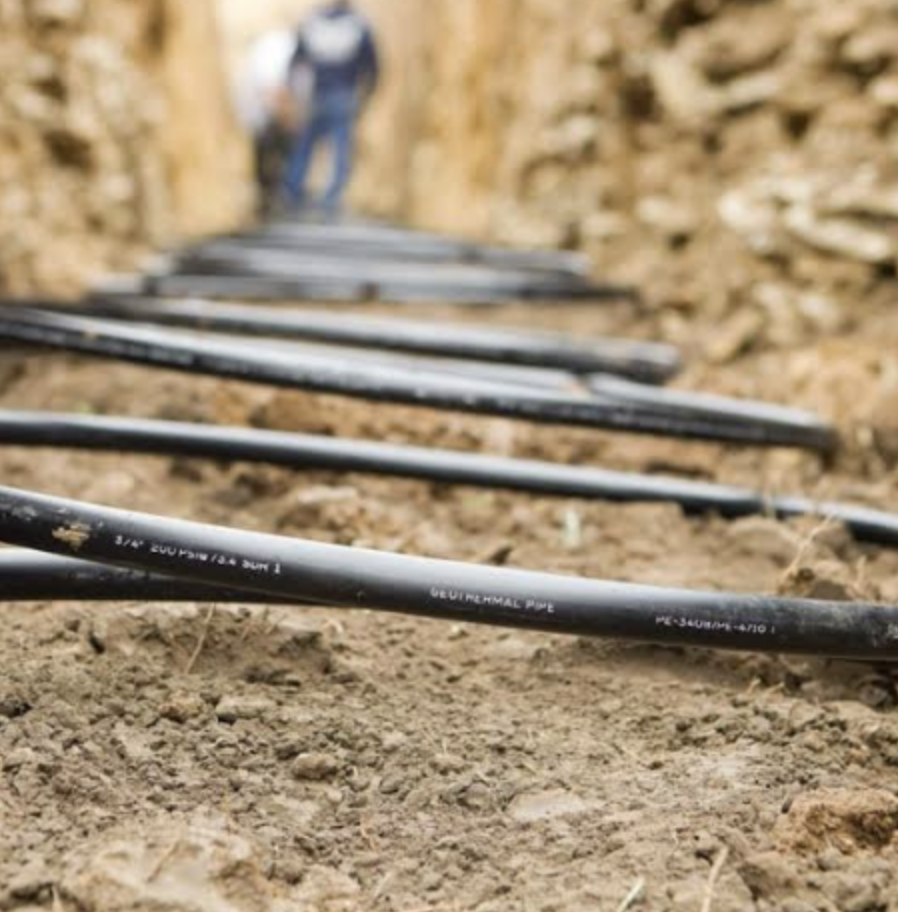
Depending on the site’s specifics, developers choose one of two options. It can be a closed-loop system, where a special fluid or glycol solution circulates inside sealed pipes. Alternatively, an open-loop system draws directly from groundwater.
A geothermal system is essentially a “reverse refrigerator.”
In winter, a special underground loop with circulating fluid collects this stable subterranean heat and brings it to the surface. A heat pump then boosts it to a comfortable temperature for the indoors.
In summer, the system works in reverse. It extracts excess heat from the rooms and dumps it back into the ground. This provides pleasant cooling without the icy, piercing drafts we expect from traditional air conditioners.
The best part of this process is its phenomenal efficiency. Conventional heating systems burn energy to generate heat. A geothermal system uses only a minimal amount of electricity to simply move that heat around. The result is impressive: efficiency reaches 400–500% (COP 4–5), leaving even the most advanced gas boilers far behind.
Why Calgary Builders and Developers Choose Geothermal Solutions
Not so long ago, eco-friendly solutions were considered an expensive whim for enthusiasts—a sort of “green decor.” In Calgary, however, geothermal systems have rapidly become a pragmatic and economically sound choice. Here is why it happened.
- Modern homebuyers have become much savvier. People look beyond the price per square foot; they calculate the cost of living in that space over the next 10 to 20 years. Geothermal heating reduces monthly heating and cooling bills by 40–70%. For the buyer, this means real savings. For the developer, it’s a powerful selling point that speeds up sales and boosts property value.
- Alberta’s climate is notorious for its sharp temperature swings. Traditional air-source heat pumps lose efficiency when the temperature drops significantly below zero. Geothermal systems don’t care what happens on the surface. Since the heat comes from deep underground, the equipment runs just as steadily during mild autumn days as it does through the harshest winter blizzards.
- A standard gas boiler or air conditioner lasts about 10–15 years on average, requiring regular maintenance, repairs, and replacement parts. The underground loop (pipes in the ground) is designed to last over 50 years. This is an investment that will easily outlive several generations of residents. The indoor heat pump is protected from snow, rain, and wind. It typically lasts 20–25 years and rarely breaks down. That’s great for residents and excellent for a developer’s reputation.
The Future of Urban Architecture: From Private Homes to Entire Neighborhoods
The real revolution in Calgary and across Alberta begins when thinking scales beyond a single private cottage. Modern architects are increasingly designing District Energy Systems. Instead of drilling a separate well for every building, developers create a unified geothermal field under an entire residential complex or parking lot.
How does this work on a neighborhood level? One building might reject excess heat (for example, commercial spaces with servers or grocery stores), while a neighboring residential block uses that heat to warm up water and apartments. This creates a closed, highly efficient ecosystem.
Furthermore, geothermal systems pair perfectly with other modern technologies:
- rooftop solar panels generate electricity to run the heat pump;
- smart thermostats optimize heat distribution across rooms based on occupancy.
As a result, the building comes as close as possible to the Net Zero concept—a home that produces just as much energy as it consumes.
Myths and Reality: What Skeptics Don’t Tell You
Of course, if it were all smooth sailing, traditional heating would have become a museum exhibit long ago. There are a few nuances on the path to mass adoption of geothermal systems, and they are worth discussing openly.
“It’s Too Expensive Upfront”
Initial investments are indeed higher than installing a standard gas boiler. The main expense is drilling and underground work. The specific nature of Alberta’s soil, with its rocky and deeply frozen layers, requires heavy, specialized equipment. However, thanks to grant programs, municipal incentives, and a radical drop in utility bills, the system fully pays for itself in 5 to 9 years. After that, it starts generating pure profit for the owner.
“There’s No Space for Drilling in the City”
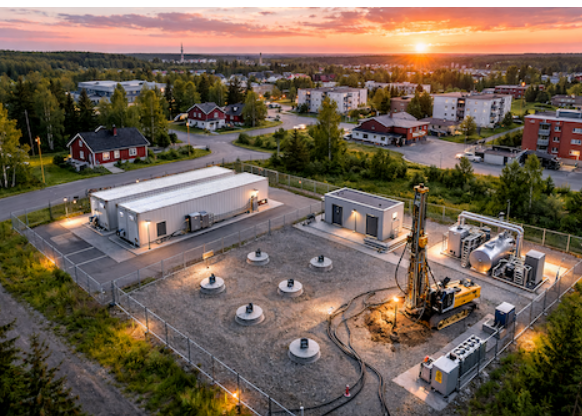
Setting up large horizontal fields does require spacious plots of land. But modern technology allows for vertical drilling. The boreholes are narrow and go deep into the ground. Most often, they are drilled right under the foundation of a future high-rise or an underground parking lot during the excavation phase.
A New Standard of Comfort
Alberta’s architecture is gradually shifting its course. The desire to build “just a pretty building” is being replaced by a drive to create smart, durable, and autonomous ecosystems.
Geothermal systems in Calgary are no longer a tribute to “trendy ecology” or an attempt to look “green.” It’s a story of pure pragmatism and common sense. It’s about feeling truly cozy at home when it’s minus thirty outside. It’s about financial peace of mind, free from the next spike in gas or electricity rates. And finally, it’s about basic respect for the land we build on.
Developers who understand this today are building more than just walls and a roof. They are creating homes ahead of their time—housing that will remain highly desirable and valuable even half a century from now.
Frequently Asked Questions (FAQ)
- If the house is already built, can I forget about geothermal heating? No, you shouldn’t! Retrofitting such a system into an existing home is entirely possible, though it requires more effort and funds. It’s like remodeling an apartment: laying all the infrastructure during the blueprint and foundation stage is much easier and cheaper than tearing up a well-kept yard.
- What happens if the power goes out in the neighborhood? Keep in mind: the ground releases heat on its own, but moving it into the house requires electricity to power the heart of the system—the heat pump. The great news is that geothermal equipment consumes a fraction of the energy used by conventional electric heaters. It can easily run on a small home generator or a standard backup battery.
- Is it really completely silent, or is that just marketing fluff? It’s completely true. Everything buried in the ground is dead silent—there’s simply nothing there to make noise. The indoor pump operates no louder than your standard refrigerator. Since it’s usually tucked away in a utility room or basement, your bedrooms and living room will always enjoy perfect peace and quiet.