

Residents of Alberta endure harsh winters and fierce grizzly bears, but these challenges are minor compared to the abundance of natural wonders the province offers. Learn about some of them below. More on calgary-name.com
Northern Lights
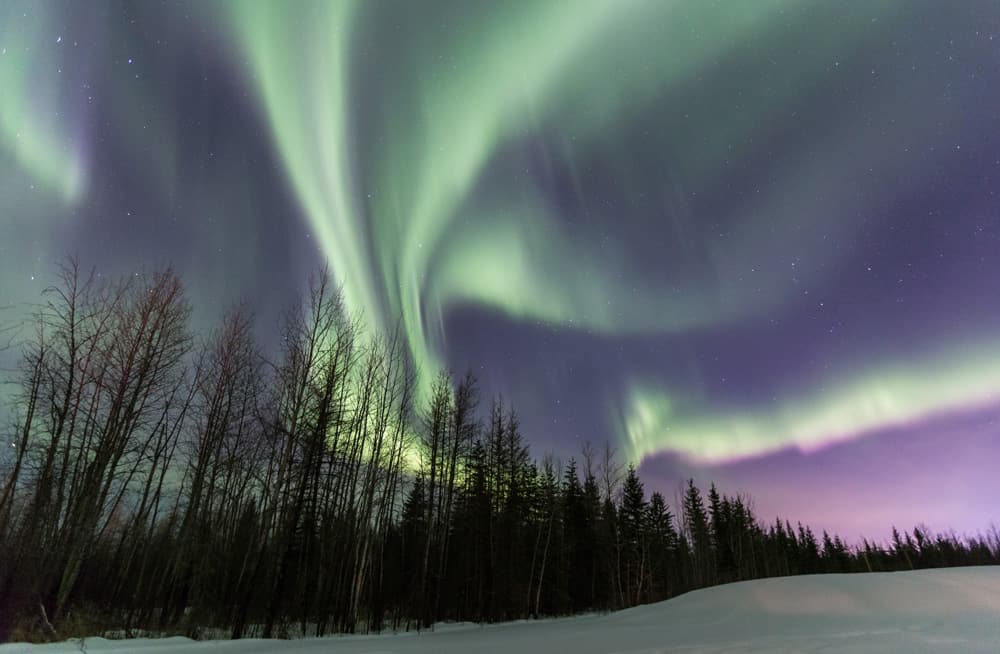
The Northern Lights are one of the most spectacular phenomena on Earth. This optical phenomenon involves the glow of certain parts of the night sky in polar regions, occurring in high-latitude areas (around the Arctic and Antarctic).
As the Earth rotates, magma flows within its core. This magma, composed of elements like silicon, aluminum, iron, calcium, and magnesium, generates electric currents as it moves, which in turn create magnetic fields.
The Earth’s magnetic field acts as a shield, protecting all life from radiation caused by solar “burning.” The Northern Lights occur when the magnetic field interacts with solar radiation. Atmospheric gas atoms above the geomagnetic poles are excited, emitting visible light in green, purple, or red spectrums. This phenomenon is common on most planets in the Solar System, some natural satellites, brown dwarfs, and even comets.
Canada is one of the countries where you can observe the aurora borealis. In Alberta, Fort McMurray is the best spot for viewing, as it lies in the auroral zone (where auroras are frequently visible). The best time to see the lights is from September to March. However, these celestial lights aren’t visible every night—it depends on the strength of the solar wind and the weather. Forecasts for aurora visibility can be found on the University of Alberta’s website or via the Aurora Alert app.
Athabasca Sand Dunes
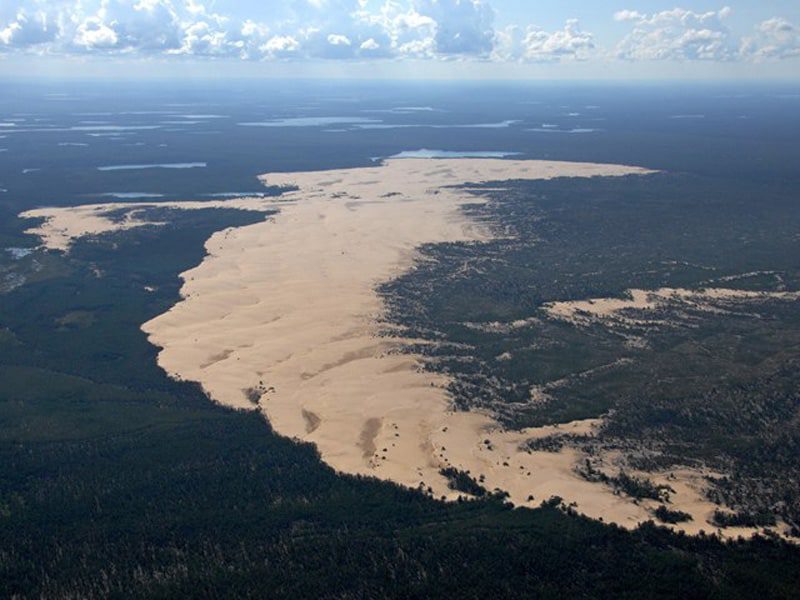
You don’t need to travel to the Sahara or South America to see stunning sand dunes. They can be found right in Alberta. The Athabasca Sand Dunes, located in Wildland Park along the Maybell River, about 200 kilometers north of Fort McMurray, are the largest ecological reserve in the province and a natural marvel.
These dunes are a literal moving desert. Winds shift the sand by up to 1.5 kilometers per year, burying forests and lakes beneath barren plains. The Athabasca Sand Dunes rank among the largest in the world. According to Travel Alberta, some dunes here reach 12 meters in height, along with kames up to 60 meters tall (sand and gravel hills formed by melting ice).
The combination of dunes and the surrounding landscape of forests, lakes, and wetlands makes this location a paradise for adventure enthusiasts. There are designated ATV trails, as well as areas for fishing and camping nearby. The local flora and fauna are diverse, with beavers, black bears, wolves, foxes, lynxes, moose, river otters, and mink often spotted.
Lake Louise
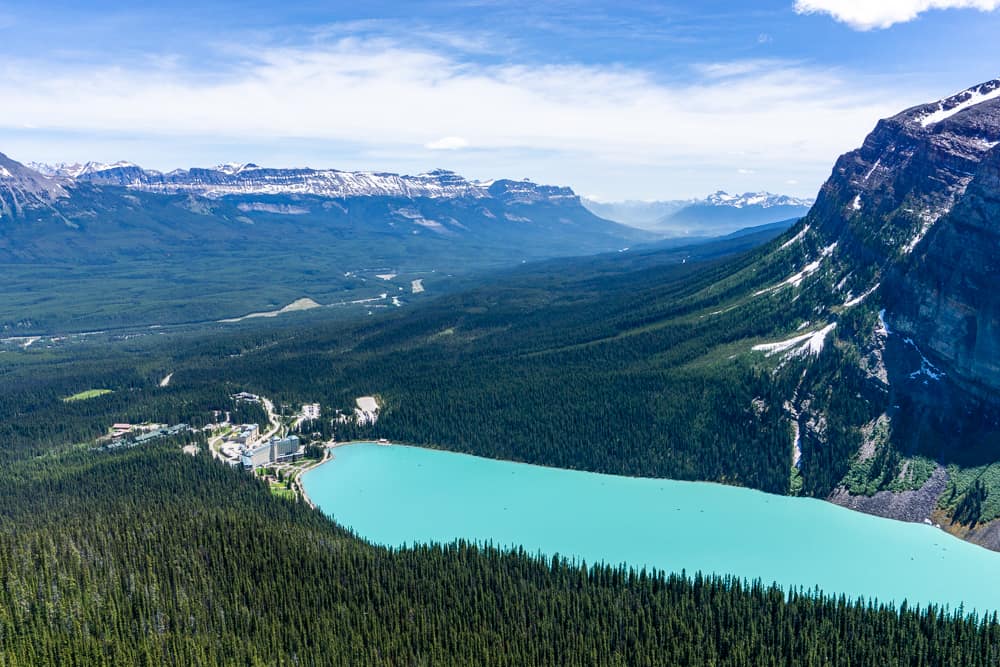
Many lakes in the Canadian Rockies boast an extraordinary turquoise hue, created by “rock flour” that flows into the lakes when glaciers feeding them melt. The refraction of light off this flour gives the lakes their stunning shades, most vibrant in July and August when glacier melt is at its peak. Alberta’s most famous lake with this water color is Lake Louise, a magnet for tourists from around the world.
Frank Slide
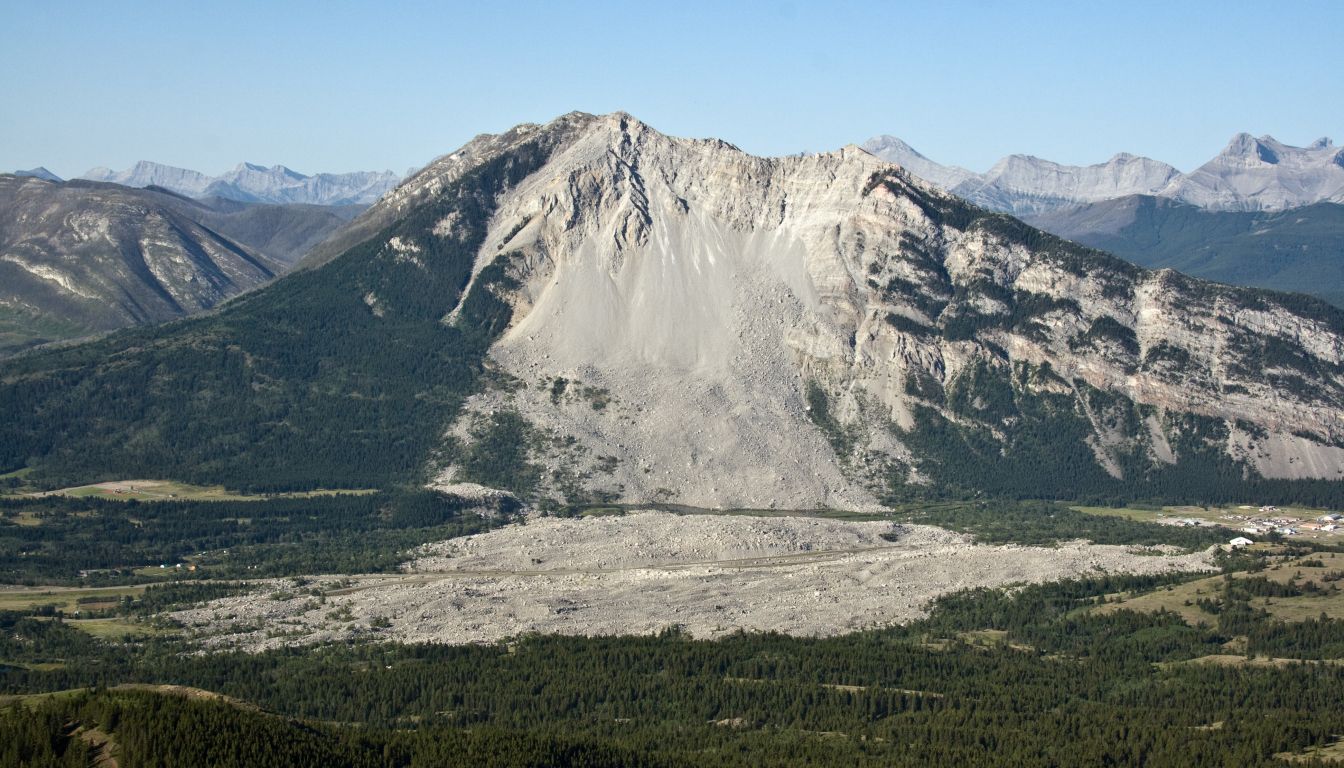
Early in the morning on April 29, 1903, 110 million metric tons of limestone slid down Turtle Mountain in southwestern Alberta, about two hours’ drive from Calgary. This was one of Canada’s deadliest landslides, killing over 90 people in the community of Frank.
The area was evacuated, and the site remained largely untouched due to fears of another slide. However, it soon became a tourist attraction. Nearby, an interpretive center offers more insight into the fatal landslide.
Big Rock
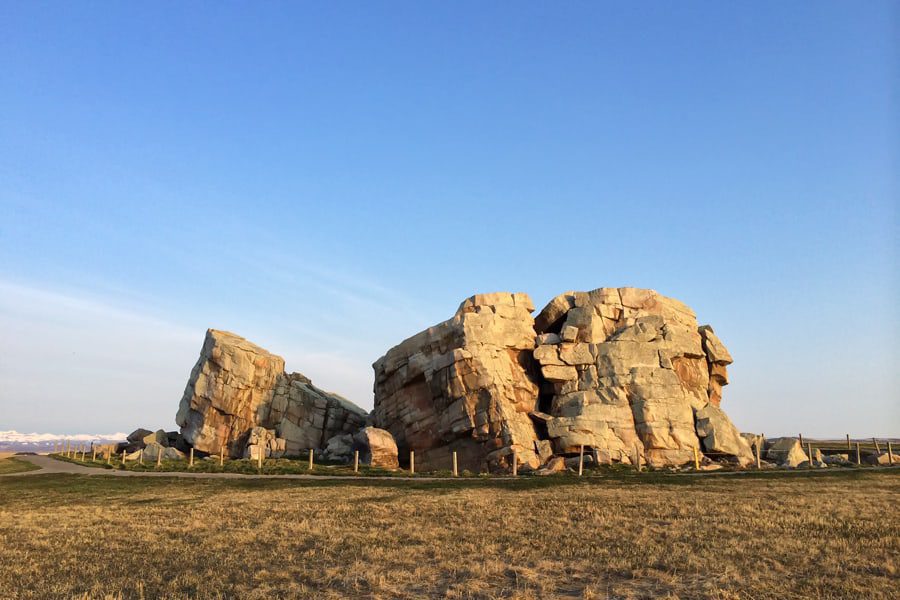
As glaciers move, they carve out valleys, create hills or mountains, and sometimes leave behind erratic boulders—rocks transported far from their original location.
Big Rock is an erratic boulder weighing 16,500 tons and standing 9 meters high. It was formed thousands of years ago. You can see it in the town of Okotoks. Big Rock is part of the 930-kilometer Foothills Erratics boulder chain.
Frozen Bubbles in Lakes
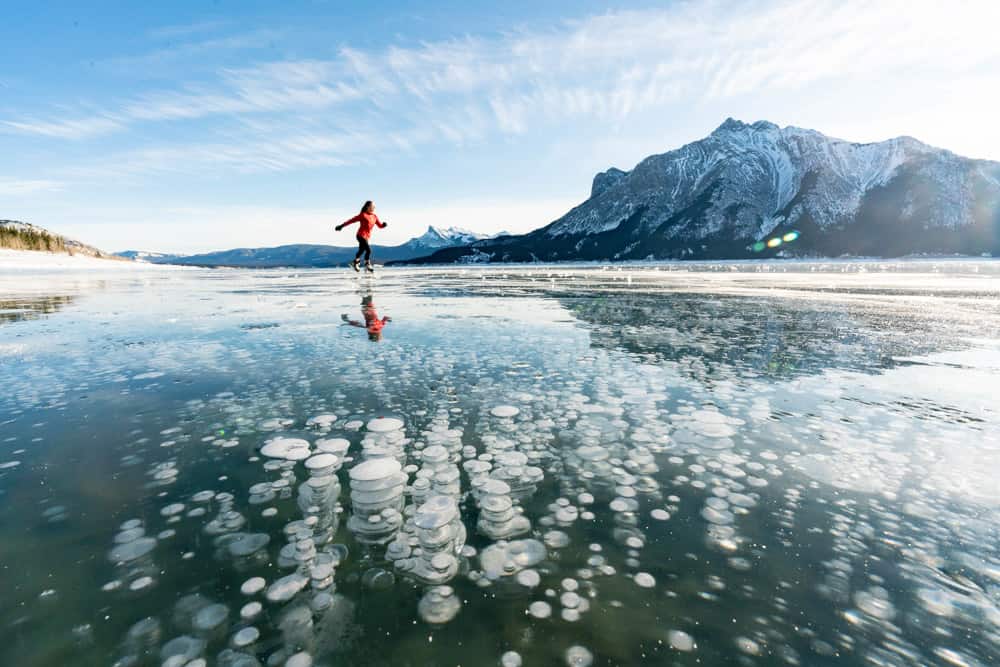
During Alberta’s coldest winter months, it’s common to see photos of a fascinating phenomenon—large, frozen white bubbles in lakes. As soon as water freezes on some mountain lakes, photography enthusiasts flock to capture and share this natural wonder.
The bubbles form in lakes Minnewanka, Vermilion, and Abraham. They are created when aquatic bacteria consume organic matter, releasing methane that gets trapped as bubbles when temperatures drop.
From Calgary, Minnewanka and Vermilion are the easiest to access, but Abraham Lake is the prime location for viewing the bubbles. The best time to visit is January to March when strong winds regularly clear the lake surface of snow, leaving the ice crystal clear for optimal viewing. Abraham Lake is about a 3.5-hour drive from Calgary.
Canadian Badlands
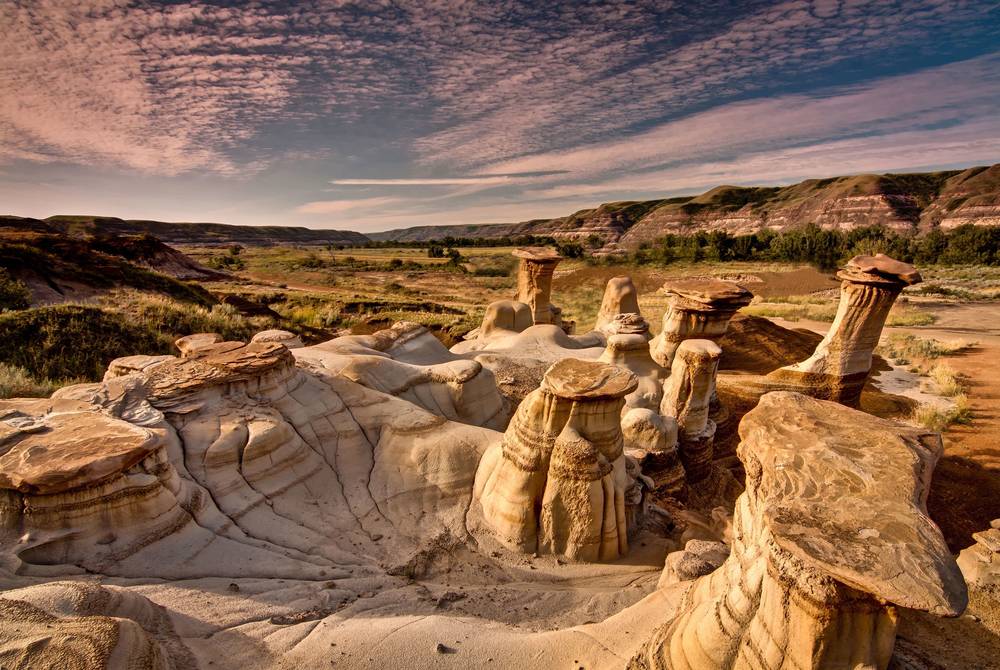
The Canadian Badlands are famous for their dinosaur-rich history. Relics of this past remain in the form of sandstone formations called hoodoos. These pillars, shaped over millions of years by wind and water, have unique, slightly peculiar appearances.
You can find these natural wonders across the Badlands, but they are most easily spotted near Drumheller. Another site is Writing-on-Stone Provincial Park in the southeastern corner of Alberta, a sacred place for the Blackfoot and other Indigenous peoples, recognized as a UNESCO World Heritage Site for its concentration of rock art.
Red Rock Coulee
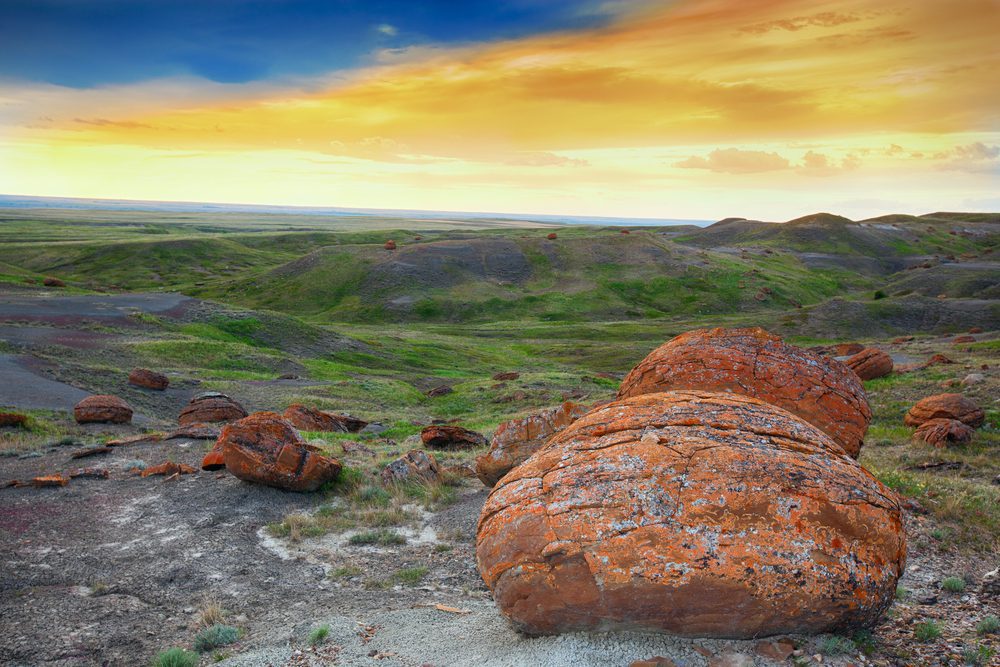
Located in southeastern Alberta, 54 kilometers southwest of Medicine Hat, this natural area is famous for its large spherical concretions (mineral formations).
These brick-colored boulders, some up to 2.5 meters wide, are among the largest concretions in the world. They appear otherworldly, as if left behind by aliens. They formed from soft bedrock and gained their reddish hue from iron oxide. Upon closer inspection, growth rings can be seen, marking their formation millions of years ago.
Maligne Canyon
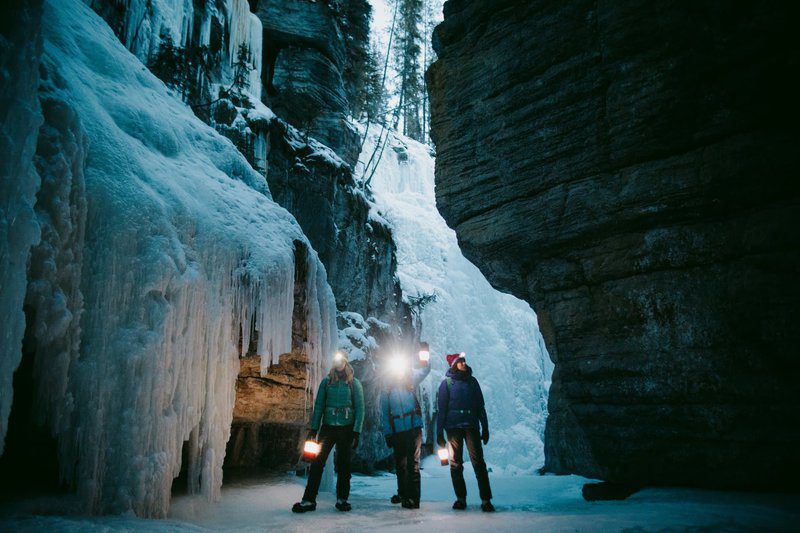
Maligne Canyon is equally stunning in summer and winter. This natural wonder in Jasper Municipality exists due to an underground cave system that feeds the area. Above the canyon is Medicine Lake, which fills with spring meltwater in summer and drains in autumn. In winter, it’s dry.
Crescent Falls
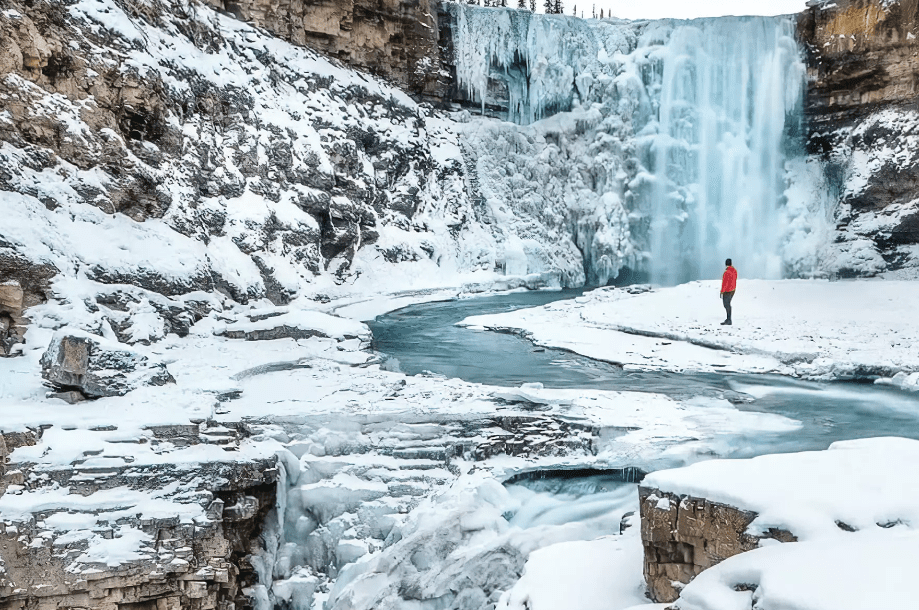
Crescent Falls is located on the Bighorn River in west-central Alberta. The waterfall is breathtaking year-round, but in winter, frozen water on the cliffs creates a true wonderland. A 2.5-kilometer trail leads to an observation deck offering impressive views of the falls and the Bighorn River valley. Mamma mia, it’s magnificent!