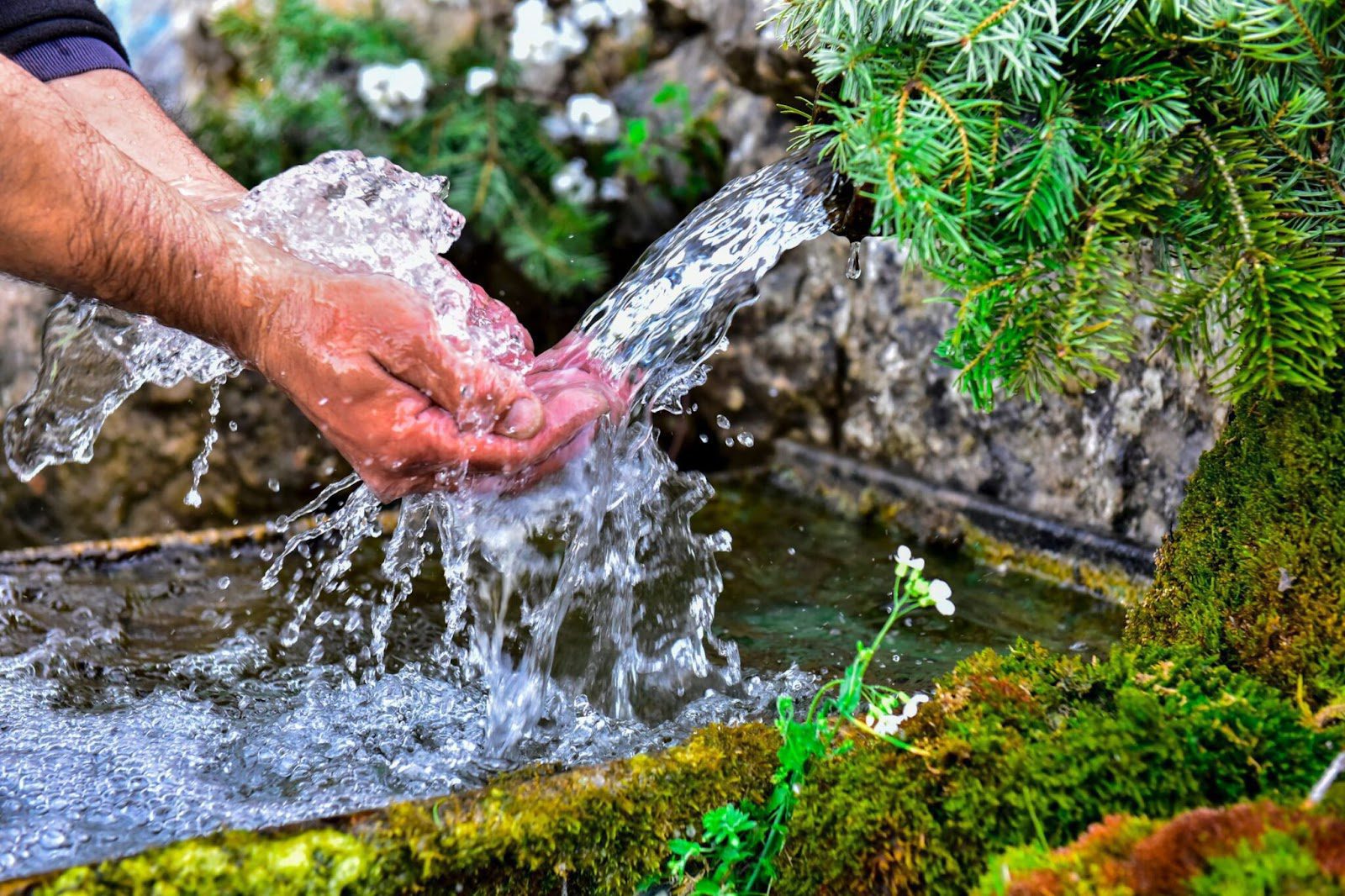
Canada’s hot springs have been used by Indigenous peoples for centuries. While British Columbia boasts more natural hot springs than Alberta, the latter still offers several excellent spots for soaking and relaxation. These springs are renowned for their healing properties due to the high mineral content in the thermal waters. Bathing in these waters can ease muscle pain, promote restful sleep, and alleviate symptoms of conditions such as arthritis. Here’s an overview of Alberta’s most famous natural and man-made hot springs as featured on calgary-name.
Banff Upper Hot Springs
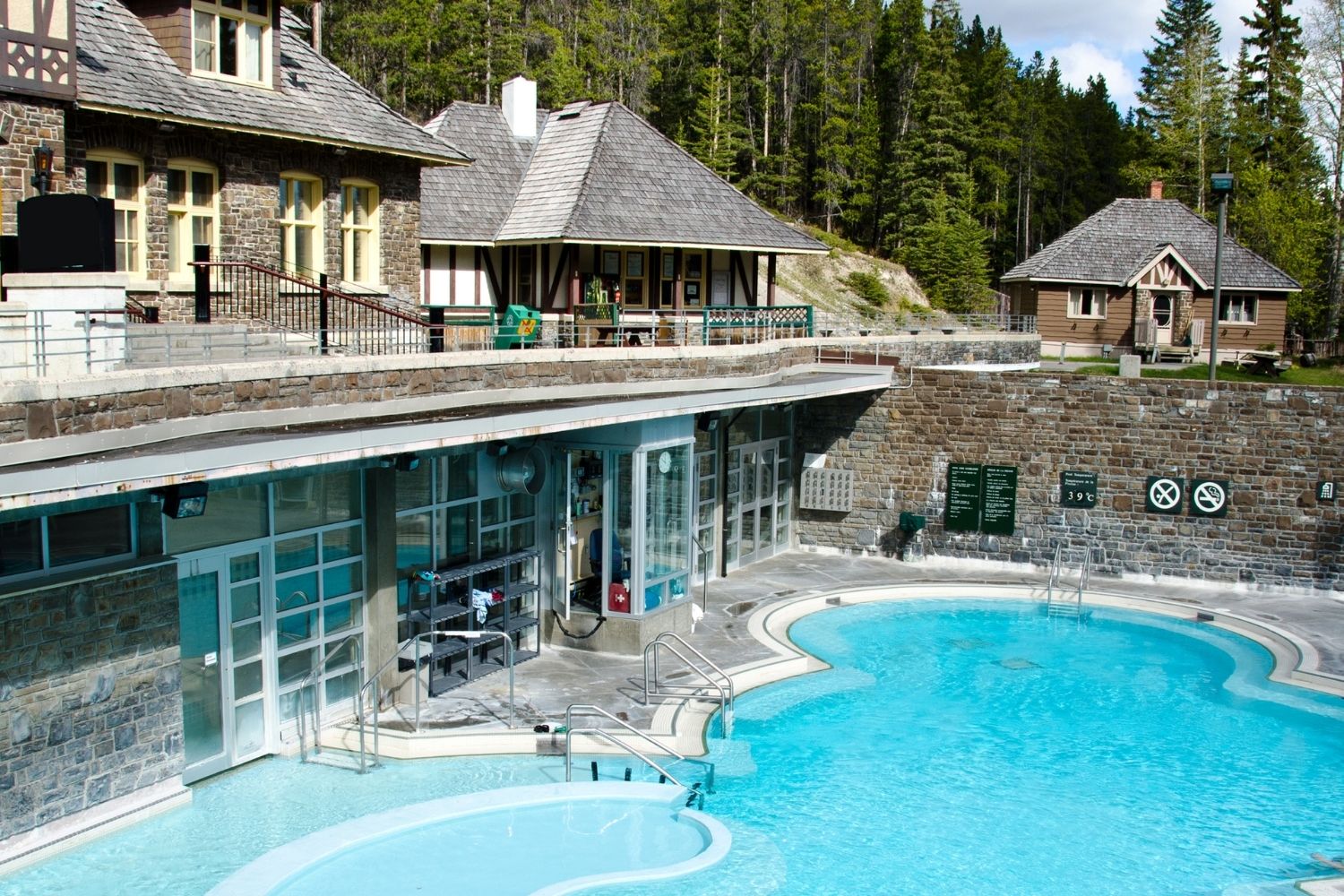
Located in Banff National Park, these hot springs are ideal for family visits. They are fed by natural mineral water and maintain a temperature of 37–40°C. Situated at an elevation of 1585 meters above sea level, they provide stunning views of Mount Rundle and the Spray Valley.
In addition to soaking in rejuvenating waters, visitors can explore the historic bathhouse, enjoy picnic areas, browse the gift shop, or relax at the café.
Banff Upper Hot Springs is one of nine natural hot springs in the Banff area. These springs are formed as water seeps through fractures in Mount Rundle and Sulphur Mountain, absorbing minerals and heat as it flows.
Although the springs gained broader attention in 1883, Indigenous peoples had been using them for healing long before. Inspired by European hot springs, Canada began developing these sites in 1886 with the construction of the Grand View Villa and log bathhouses. The arrival of the Canadian Pacific Railway in 1888 further boosted their popularity. The government built roads and trails for tourists, and in 1931, Banff Upper Hot Springs was designated a federal heritage site.
Fairmont Banff Springs
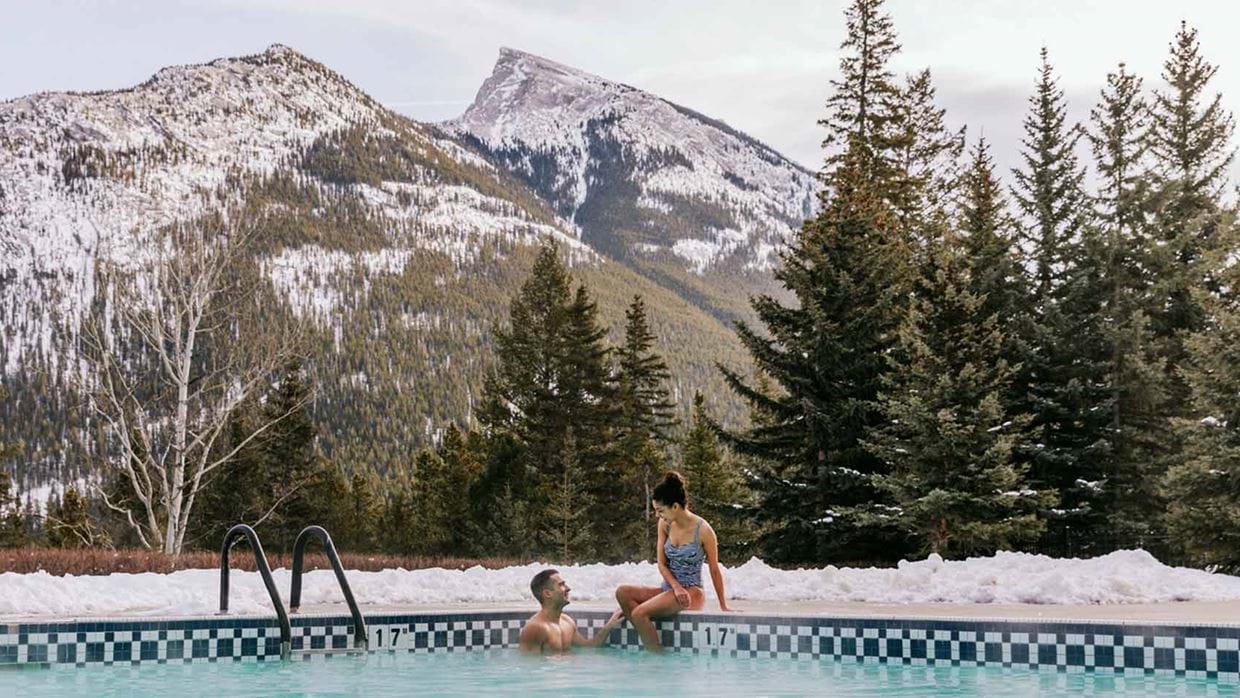
This historic resort, built in 1888 in Banff National Park, was initially intended to bring affluent tourists to the Rocky Mountains. Though no longer fed by the natural thermal waters of Banff Upper Hot Springs, the resort now offers its own interpretation of mineral pools.
The Willow Stream Spa features a central pool, Kur, which is infused with imported healing salts and modeled after Europe’s grand mineral baths. The pool’s domed ceiling and underwater music add to its charm.
Fairmont Banff Springs also features large indoor and outdoor pools designed exclusively for adults. These pools enhance circulation, soothe aching muscles, and promote relaxation. The resort offers additional activities, including bowling, tennis, horseback riding, and golf. Nearby, several ski resorts provide opportunities for winter sports.
Mist Mountain Hot Springs
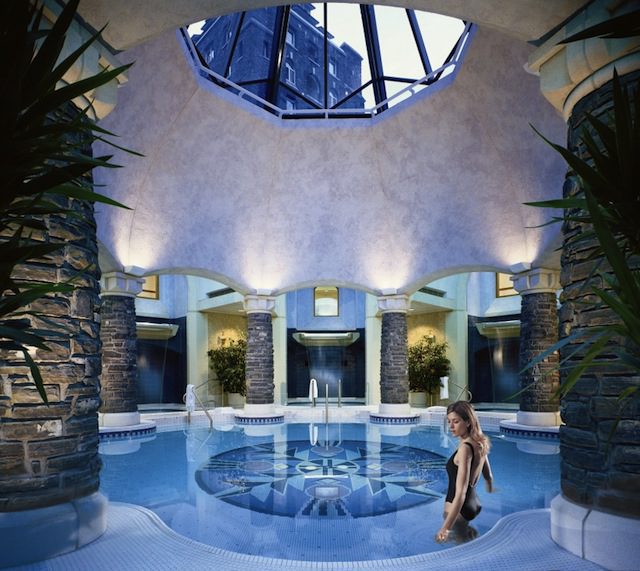
This secluded, non-commercial hot spring is perfect for those who prefer a more private, natural setting. Accessible only by hiking, Mist Mountain Hot Springs offers a peaceful retreat.
The trailhead is located on the east side of Highway 40, about 15 km south of Highwood Pass and approximately 200 meters west of the parking lot. Due to its limited space—suitable for only 2–3 people—it’s best to visit at sunrise or sunset.
Visitors should note there are no changing facilities, and the access road is closed from December 1 to June 14 to protect wildlife. The ideal time to visit is between July and November.
Miette Hot Springs
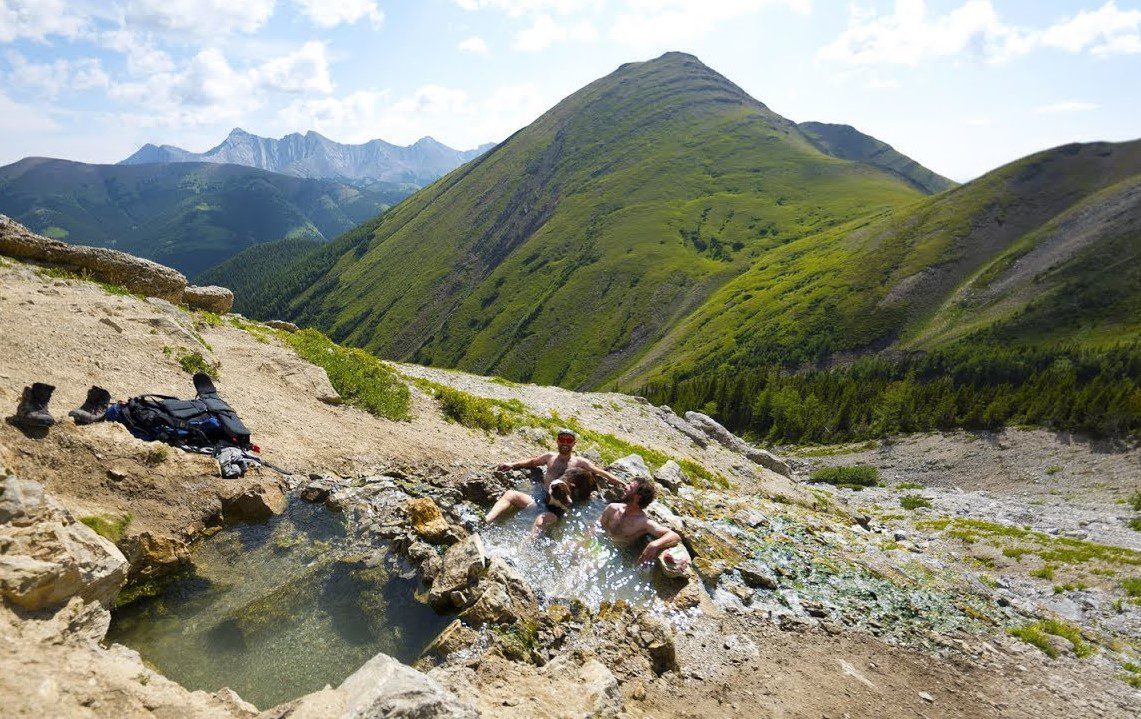
These picturesque hot springs, nestled high in the Rockies within Jasper National Park, are the hottest in the Canadian Rockies, with an average water temperature of 40°C. Composed of sulfate, calcium, magnesium, bicarbonate, and sodium, these 100% natural mineral waters offer a soothing experience.
Visitors can also explore the Source of the Springs trail to learn about the formation of these hot springs or embark on the 8-km Sulphur Skyline trail for breathtaking mountain views.
Kananaskis Nordic Spa
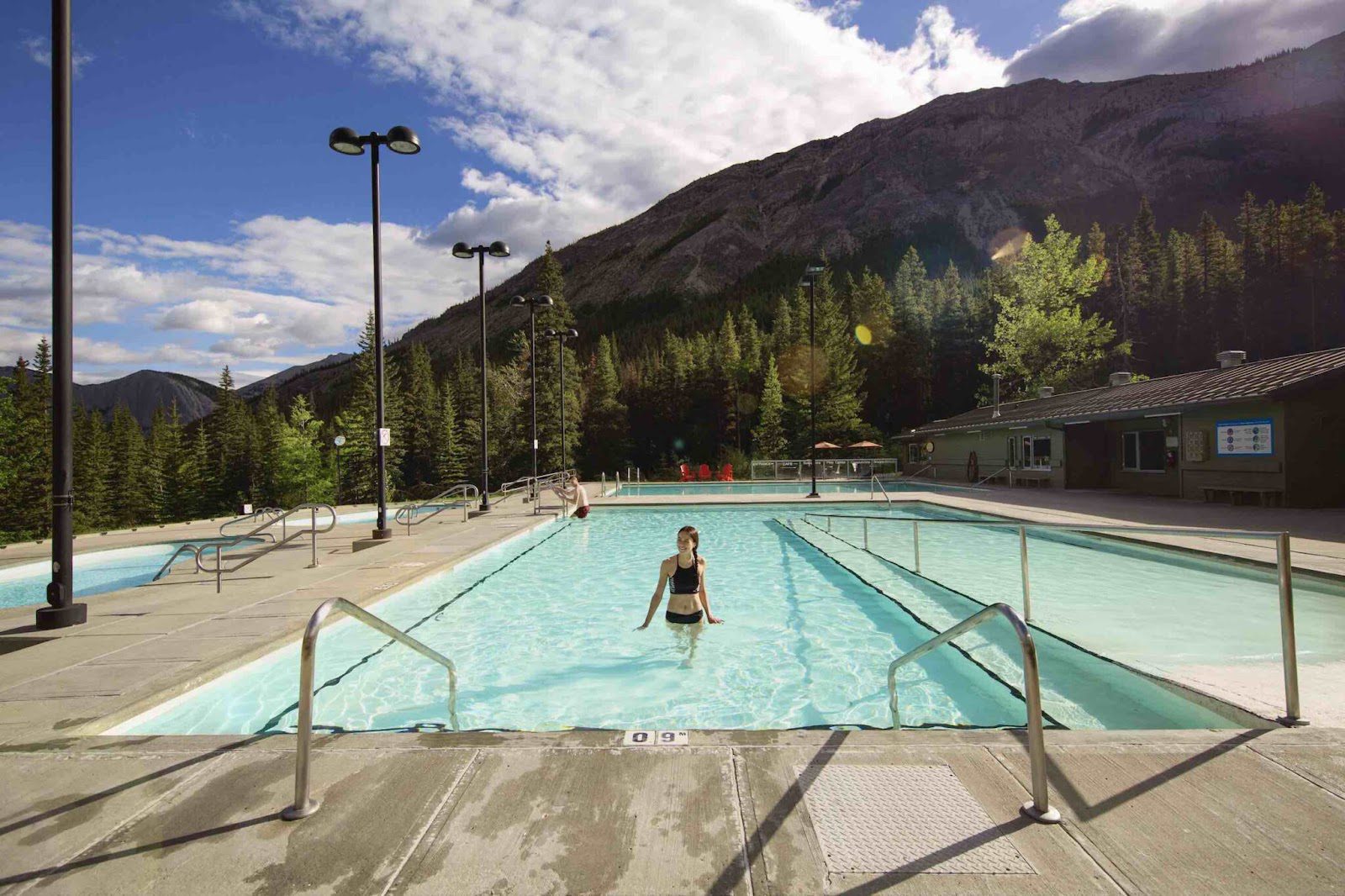
Though not a natural hot spring, the Kananaskis Nordic Spa is worth a visit for its serene setting and luxurious amenities. It’s Alberta’s first Scandinavian-inspired spa, featuring multiple saunas and outdoor pools with varying temperatures.
Surrounded by stunning mountain scenery, this spa offers hydrotherapy and is exclusively for adults. Families with children can enjoy activities at the nearby hotel.
Hidden Ridge Resort
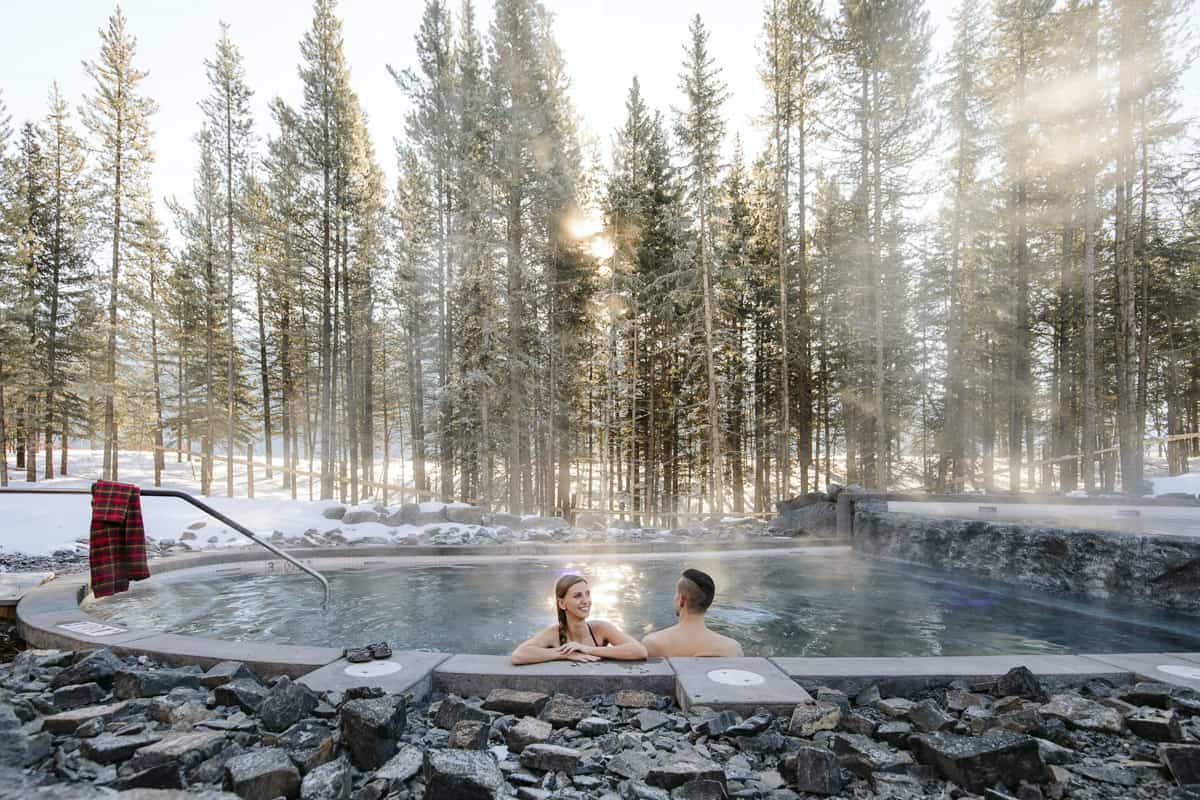
Located near downtown Banff at the base of Tunnel Mountain, Hidden Ridge Resort offers an outdoor hot pool, a sauna, and amenities for relaxation after a day in the mountains. The resort also features two barbecue and picnic areas, a children’s pool, and a playground.
The Malcolm
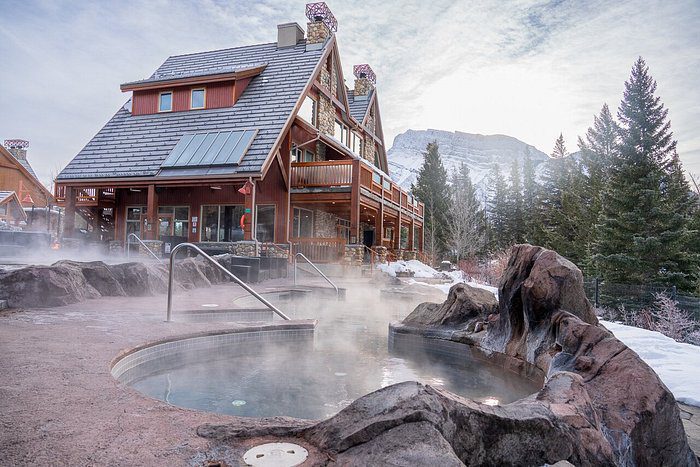
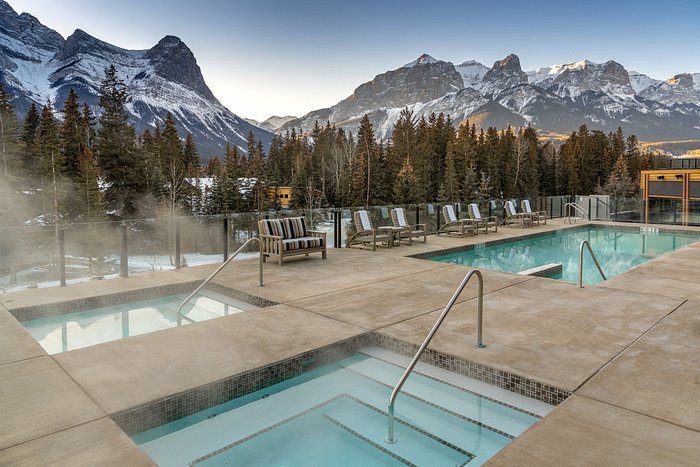
This hotel, located just steps from downtown Canmore, is home to outdoor hot pools that provide a tranquil escape after a day of exploring, hiking, rafting, or horseback riding.
Guests can enjoy views of the Three Sisters Mountains, Mount Lawrence Grassi, and Ha Ling Peak from the beautifully designed outdoor pool and hot tubs.
Cave and Basin
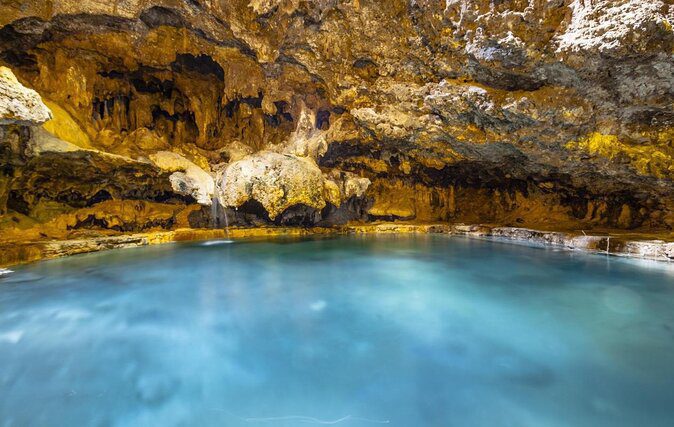
Not all of Alberta’s hot springs are for bathing—some, like the Cave and Basin National Historic Site, serve as fascinating attractions to explore.
Situated on the northeastern slope of Sulphur Mountain, Cave and Basin features a small cave and a mineral spring fed by geothermally heated water. This water emerges from Sulphur Mountain, absorbing minerals as it flows through the rock before entering the cave and basin.
The site is also home to the tiny Banff Springs snail, an endangered species found only here.
The hot springs gained prominence in 1883 when railway workers William and Tom McCardell, along with Frank McCabe, discovered the cave. Using a felled tree, they descended through a skylight into the cavern. On November 25, 1885, the Banff Hot Springs Reserve was established at the site, later expanding into Banff National Park in 1930.
Canmore Natural Springs
This natural spring in Canmore isn’t suitable for bathing but is widely regarded by locals as a source of “magic hangover cure” water.
Many use Canmore Natural Springs as a primary source of drinking water, though opinions vary on its quality. Since the spring is not monitored or tested by the town of Canmore, consuming the water may carry risks.