

People in Alberta have been using wood since the time when woody plants first colonized the province around 13,000 BC. Back then, they cut firewood for heating and cooking. Later, wood began to be used for making tools, building houses, and constructing transportation networks. The forestry industry has, in a sense, shaped the province. Read more about this history on calgary-name.
What Trees Grow Here?
Most of Alberta’s prairies are too hot and dry for forests, but central and northern Alberta have the perfect moisture levels for trees: over 60% of the province is covered with forests. Precipitation supports tree growth, though the province’s dryness during summer periods often leads to wildfires.
There are two main types of trees in Alberta: deciduous and coniferous. Deciduous trees are more common in the southern forests, while conifers dominate the northern regions, as well as the mountains and foothills. The cold climate of the province promotes slow plant growth, making the wood relatively dense and strong, which posed challenges for Indigenous peoples.
Use of Forests by the First Nations
The trees of the province shaped the way of life for people living in the forests. The open prairies were primarily home to groups of hunters, gathering to hunt bison. In contrast, the forests were typically inhabited by European immigrants involved in fur trading, building railroads, and developing agriculture.
The First Nations shaped the forests through fire. Fires encouraged the growth of new plants and opened up landscapes for buffalo and other game. In winter, Indigenous peoples made wooden frames for snowshoes and sleds, while in summer, especially in the northern part of the province, they crafted birch bark canoes. The First Nations knew precisely which type of wood was best for each need, so they managed the forests to meet their requirements.
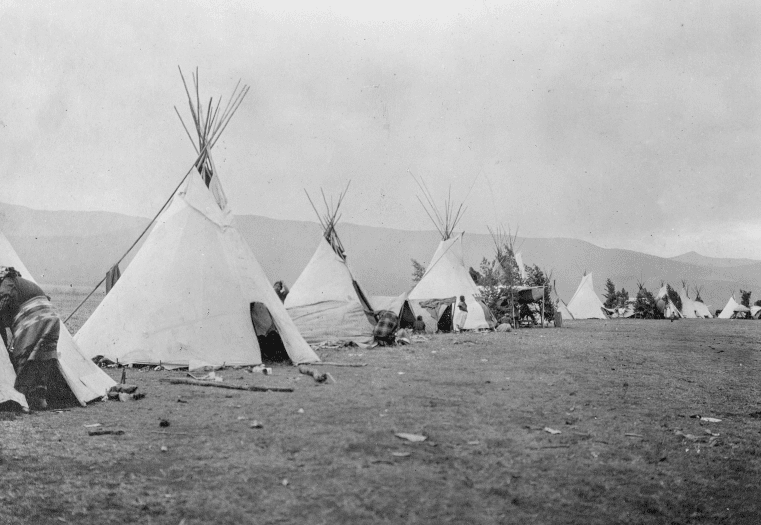
Sometimes, they traveled hundreds of kilometers to find the right pine poles for the frames of tipis (nomadic shelters). Some poles were used for horse and dog sleds. To seal the seams of their canoes, they used spruce sap.
The 1800s
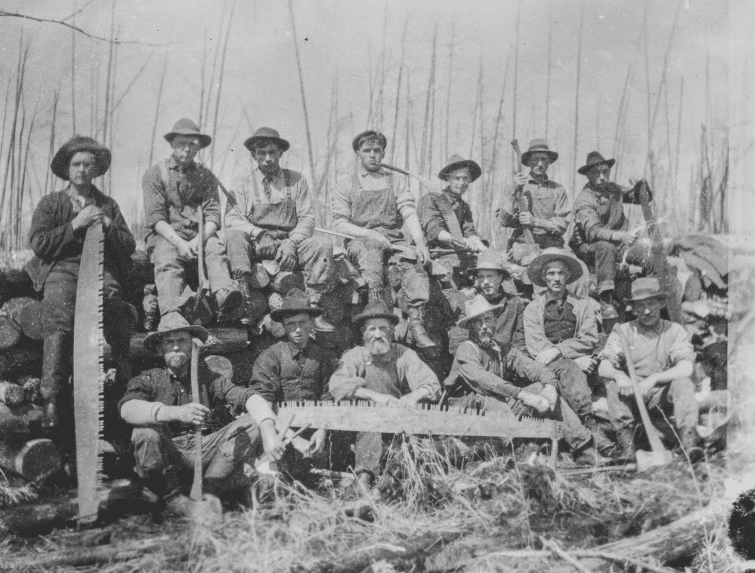
The first settlements in Alberta had sawyers—those who sawed timber for use in buildings. The sawyers lived in temporary camps in brush or on floating barges that could be moved as needed.
The forestry industry in Alberta was younger than in British Columbia and neighboring U.S. states, as the “gold rushes” there necessitated the immediate creation of commercial sawmills.
In the 1880s, the first commercial sawmills appeared in southern Alberta, supplying timber for settlers and railroads. The railroad was the main consumer of timber, and it stimulated the forestry industry, but also caused large fires due to sparks and flames from engines, hot boxes, and brake pads.
The devastation was so severe that in the 1890s, the first forest reserves in the province were created to protect trees for the needs of large settlements and farmers in the prairies.
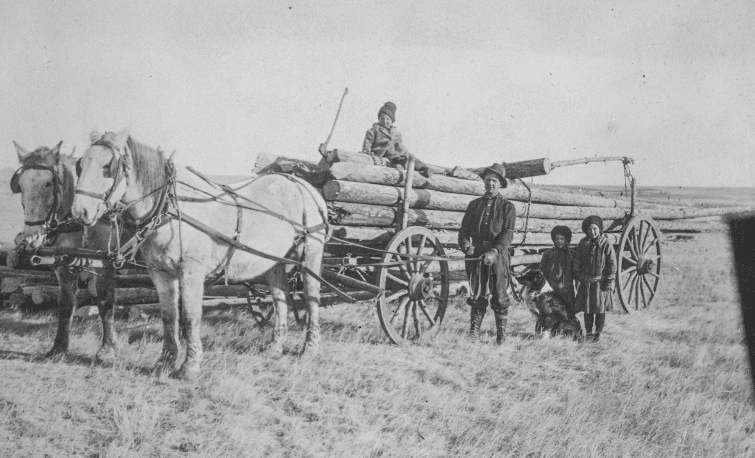
Both northern and southern Alberta saw continuous demand for timber. Many farmers cut their own wood, but farmers in southern Alberta often had to travel five days to reach the nearest forest. In this regard, northern farmers had an advantage.
In addition to timber, wood was used for heating and cooking. Each year, families had to cut approximately 100 trees just for these purposes.
The 1900s
Between 1900 and 1910, the population of the province grew significantly, which increased the demand for timber. Most settlements had commercial sawmills. Logs were usually transported by rivers, which brought timber to river mills or railway stations in river valleys.
Winter was the ideal time for cutting timber. Wood was transported by horses and sleds, and portable sawmills were mounted on skis. The seasonality was particularly suitable for poor families, as they worked the fields in the warm months and cut the forest in winter to create mills, which allowed them to provide for themselves year-round.
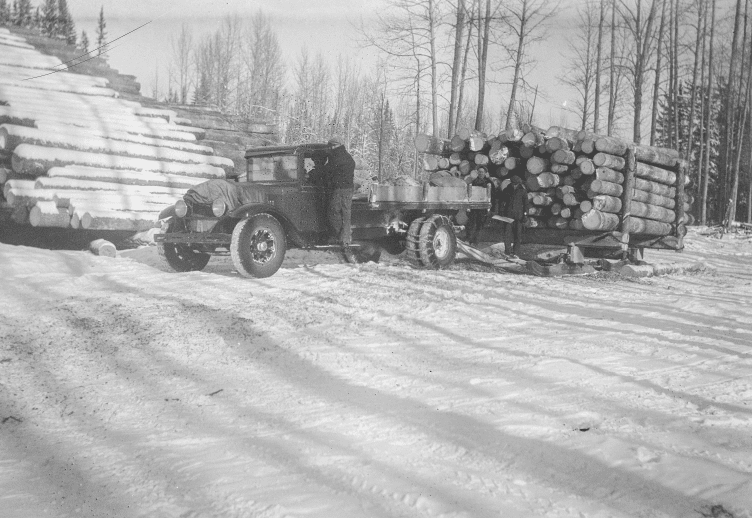
By the 1930s, Alberta’s sawmills were no longer moving as frequently as before. In 1930, the province took control of its forest resources and changed the way it leased wood piers. Since then, timber and lumber materials have been transported by trucks.
The development of the pulp and paper industry in the 1950s and 60s led to widespread growth in forest management activities. Provincial programs in the 1980s and 90s also contributed to the growth of large mills.
The Mountain Pine Beetle Infestation
One of the greatest problems for the forestry industry in the early 21st century was the infestation of the mountain pine beetle. This beetle had spread in Alberta in small numbers for thousands of years, but in the early 21st century, a mass outbreak occurred, threatening to decimate the pine forests.
In 1996, an outbreak in Colorado caused the destruction of millions of hectares of ponderosa and pine trees. Afterward, the beetles migrated to other states and southern Canadian provinces. Fires in Alberta at the end of the 20th century caused “over-maturity” of forests near the Rocky Mountains, meaning the forests had grown much older than usual in a natural system. These insects target old or weakened trees and accelerate the development of younger forests, but the excessive number of dry old trees, coupled with abnormal warming in 2004-2007 in the U.S. and Canada, led to an unprecedented outbreak of mountain pine beetles, as these insects die in very cold temperatures.
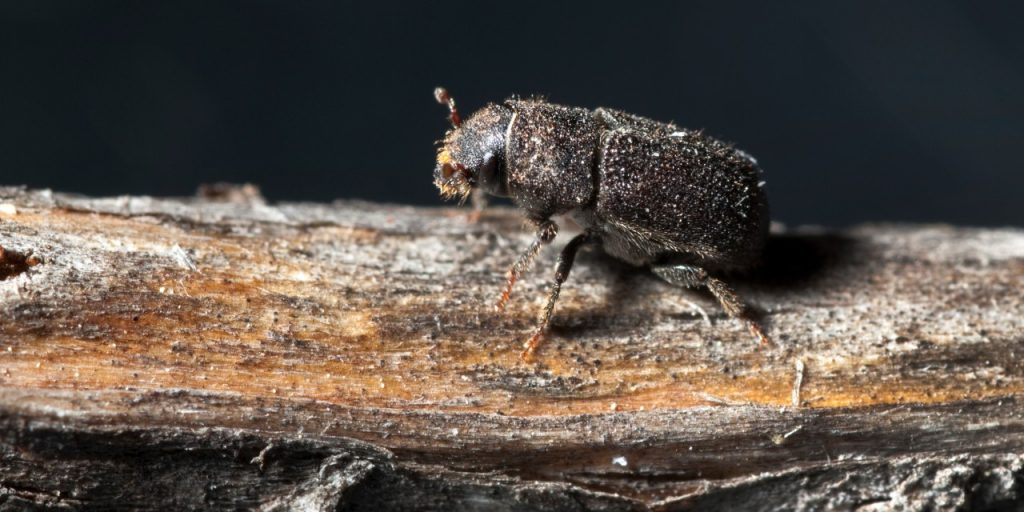
Between 2005 and 2009, approximately three million trees in North America were killed by pine beetles. The dry trees caused a large number of fires, and this timber was unsuitable for producing lumber.
This type of beetle is native to the forests of western North America, from Mexico to central British Columbia. The beetle settles in the bark of pine trees, where it feeds on the inner cambium layer and other tissues, laying its eggs. It carries a parasite called blue stain fungus, which prevents the tree from warding off and killing the attacking beetles with sap flow. The fungus also blocks the tree’s water channels, causing it to dry out quickly.
During the first attack, the tree remains green, but after a year of continuous assault, the pine needles turn red, signifying that the tree is dead or dying, and the beetles have moved on to another tree.
Mountain pine beetles typically attack lodgepole pine, ponderosa (yellow pine), white pine, limber pine, Scots pine, Banks’ pine, longleaf pine, and several other species. The attack is initiated by female beetles. When they chew the inner bark and phloem, pheromones are released that attract other males and females. The natural predators of mountain pine beetles are certain birds, especially woodpeckers.
This outbreak became the largest forest insect attack observed in North America since European colonization and led to reduced timber harvesting opportunities for people and an increase in wildfires.
In general, human-tree relationships in Alberta are filled with stories of brilliant adaptation, hard work, and extensive research.