

Robert (Bob) Church was a pioneer in molecular genetics, a farmer, and an honorary professor at the University of Calgary. He became a legendary figure dedicated to modernizing agriculture and biotechnology. He is best known for developing and implementing new technologies in cattle breeding and embryo transfer. Learn more about Bob Church’s life, scientific, and research journey on calgary-name.
Childhood and Education
Bob was born on May 7, 1937, in Calgary. He grew up on his family farm and ranch in the village of Balzac, Alberta. From an early age, he became familiar with agriculture by helping his brother Gordon plant and harvest crops.
At 17, Bob saw a two-ton grain truck and became fascinated with science, agriculture, and eventually gained admission to Olds College, a member of the Alberta Rural Development Network. At college, Bob was driven by the constant opportunities to discover something new. He graduated at the top of his class and later enrolled in the Faculty of Agriculture at the University of Alberta.
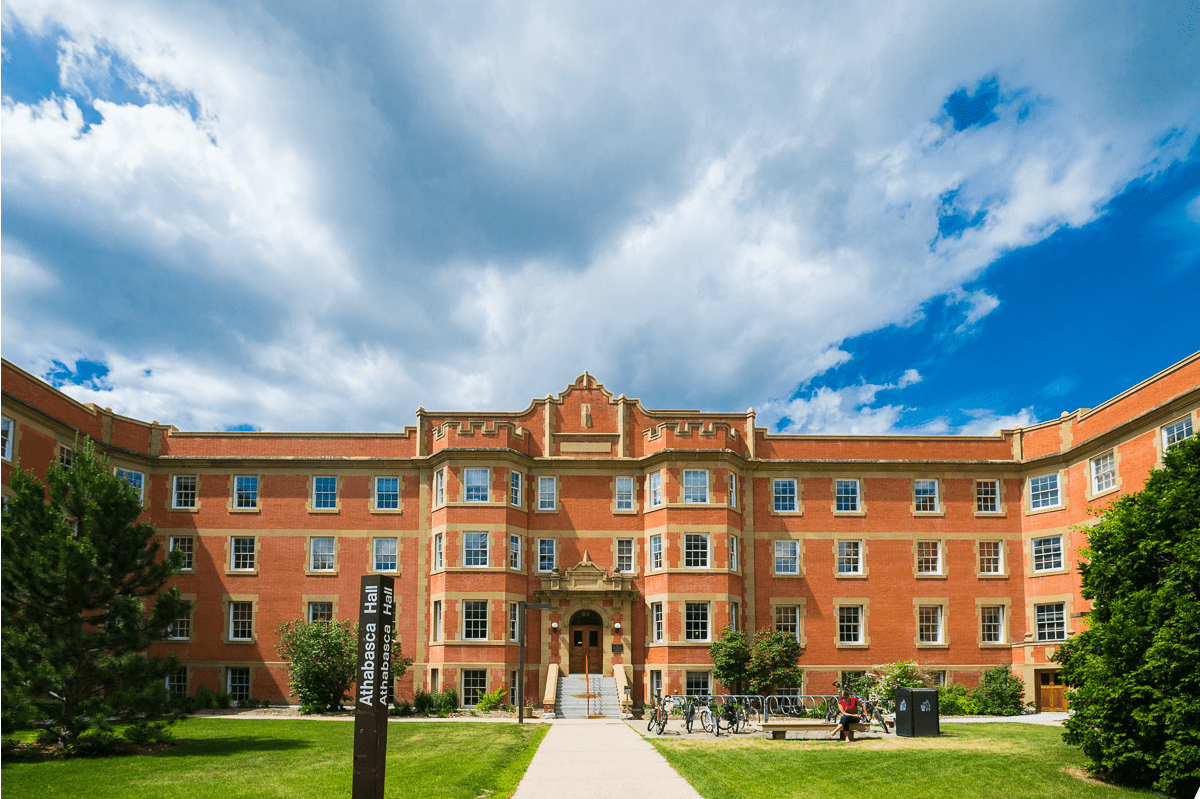
At the University of Alberta, his enthusiasm and thirst for knowledge only grew. Bob was motivated by the thought that one day he could contribute to improving agriculture through genetics. In 1962, Bob earned his Bachelor’s degree, and a year later, his Master’s degree. He then moved to Europe.
Bob spent the summer studying at Uppsala University, Sweden’s oldest university. He then continued his studies at the University of Edinburgh in Scotland, where he earned his Ph.D. in animal genetics in 1965. After a postdoctoral fellowship at the University of Washington (USA), he returned to Calgary in 1967, where he became an Assistant Professor in the Department of Biology at the University of Calgary.
Career at the University of Calgary
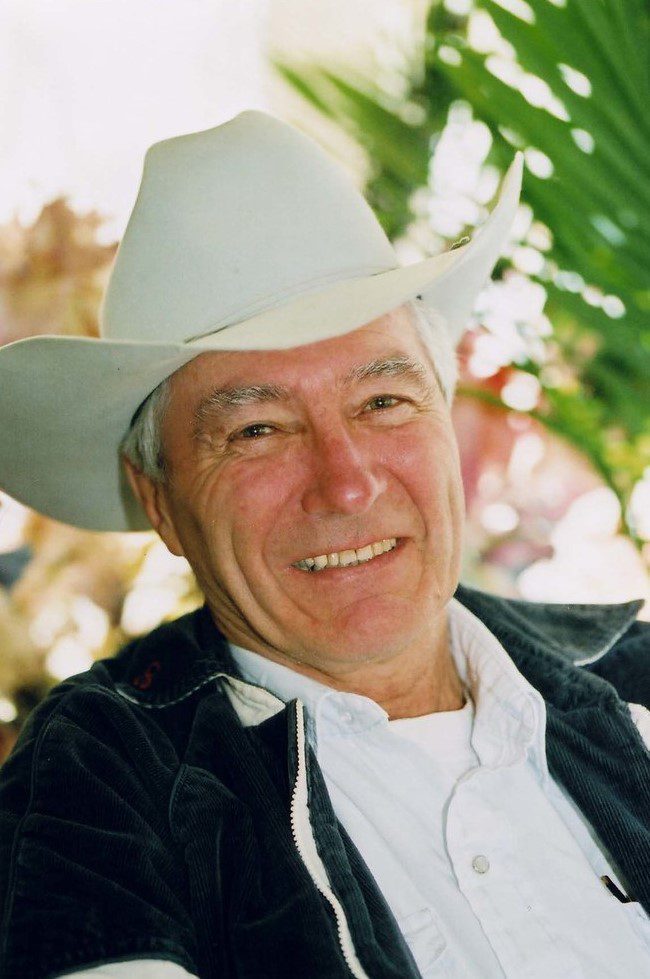
In 1969, Bob became the founding chair of the Department of Biochemistry and Molecular Biology at the University of Calgary’s medical faculty, which later became the Cumming School of Medicine. He also served as the Associate Dean of Research from 1981 to 1988. He was the first head of the Biochemistry department (since 1969) and held this position for 14 years. In honor of Professor Church, the department established a lectureship in biotechnology, allowing the university to promote knowledge about technology and bioengineering. Bob was an inspiring teacher and mentor to 17 graduate students and 8 postdoctoral fellows.
Bob always wanted the people of Alberta to live their best lives and to be the best. His motto was: “We can do it here, just bigger and better.” Over his 25 years at the University of Calgary, he became a globally recognized leader and expert in genetics technologies, reproductive physiology, and molecular biology in the agricultural and biotechnology sectors.
Church studied genome development, gene expression, and embryo manipulation. His research was published in over 200 articles, and he presented his findings at more than 100 scientific and medical conferences related to medical science, biotechnology, and livestock.
Practical Work
Bob successfully applied his research interests in theory, but he also found practical applications for his knowledge and laboratory results.
In 1967, Bob founded Church Livestock Consultants, which specialized in technical consulting and the development of breeding programs, embryo transfer, cattle management, and food product development worldwide.
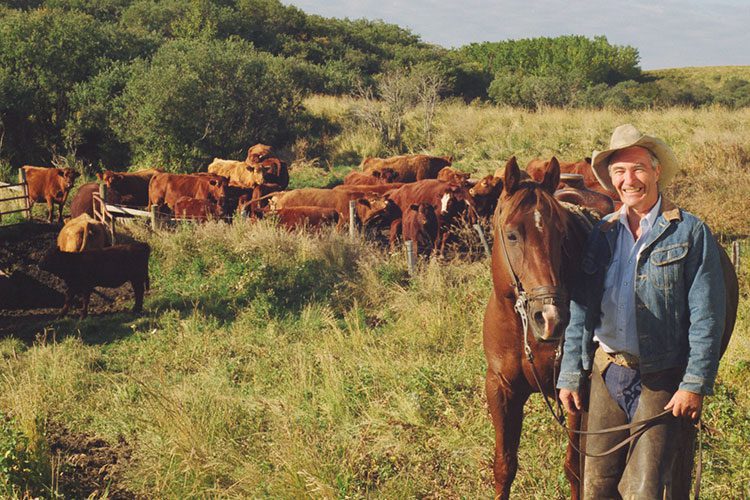
In 1974, Bob decided to escape the hustle and bustle of the city and convinced his family to move to the “ends of the earth,” 15 miles northwest of Airdrie, Alberta. There, he managed Lochend Luing Ranch, where he first applied a proven production protocol for production, processing, quality control, and marketing retail-ready products. This led to his appointment to the Board of Directors of the newly created Canadian Council on Agricultural Competitiveness.
Bob considered this period the happiest time of his life, surrounded by cattle, horses, and deer – animals that became the purpose of his life and work.
Bob was a long-time volunteer at the Calgary Stampede. He contributed to the first official horse breeding program and eventually rose through the ranks to serve as president of the Stampede from 1988 to 1990. He was particularly proud of his initiatives as president.
He also participated in many commercial agricultural enterprises, including Highfield Stock Farms, Biostar Inc., Alberta Livestock Transplants, and AltaGenetics, CV Technologies, and AVAC Ltd. He joined “big pharma,” managing Ciba-Geigy Inc., Connaught Laboratories Ltd., and Monsanto Inc. As a scientific consultant for numerous biotechnology projects, he personally helped establish 11 new high-tech companies in Alberta, the USA, New Zealand, and Australia.
Bob was a generous philanthropist. Together with his family, he supported various funds that assist those interested in interdisciplinary education, technology, and entrepreneurship.
Membership in Other Scientific Organizations
Bob’s ability to build research infrastructure was recognized by many distinguished figures. He was a founding member of the Natural Sciences and Engineering Research Council, the Canadian Institute for Advanced Research, and the Alberta Science and Research Management, and a former member of the Canadian Medical Research Council, Alberta Research Council, the Infectious Diseases Organization, and the Protein Engineering Excellence Centre.
Bob led the Canadian Institute for Advanced Research for almost 10 years and was the chair of the Canadian Agri-food Policy Institute (CAPI), the Alberta Science and Research Management, and co-chair of the Premier’s Advisory Council on Science and Technology in Alberta.
Recognition and Awards
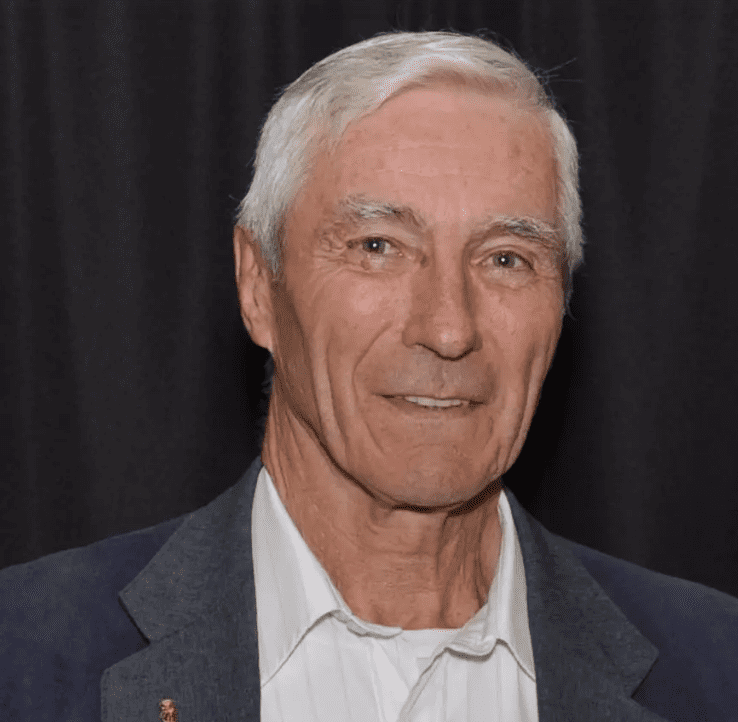
In 1991, Bob was inducted into the Canadian Agricultural Hall of Fame, and in 1993, he was awarded the Alberta Order of Excellence for his exceptional contributions to the province.
In 1998, Bob received an honorary Doctor of Laws degree from the University of Lethbridge. In 2000, he was awarded the Order of Canada – the country’s highest national honor.
In 2002, the geneticist received the Queen Elizabeth II Golden Jubilee Medal, in 2003 the Growing Alberta Distinguished Leadership Award, and in 2012, the Queen’s Diamond Jubilee Medal.
In 2012, Bob was named one of Alberta’s top 100 notable residents to receive the Western Legacy Awards. In June 2015, he was awarded an honorary degree by the University of Alberta.
Bob passed away on September 6, 2019, at the age of 82, in the Foothills Medical Centre. He made significant contributions to science and the Canadian agricultural community, modernizing agriculture through the implementation of new technologies in animal breeding, which helped Canada remain competitive in the global market.