

Calgary is vulnerable to a range of risks associated with natural disasters. Hazards such as floods, winter storms, hail, infrastructure failures, and tornadoes can have significant consequences for economic, natural, social, and governmental systems. While we cannot control the weather, there are steps we can take to protect our homes and families. So, how can you protect your home from natural disasters in Calgary? Read more on calgary-name.
Way 1. Stay Informed
It may seem obvious, but not all residents of the city are aware of reliable sources for emergency alerts. First, it’s important to download a weather app on your phone, such as Accuweather, Weather Network, or Weather Channel. You can also subscribe to emergency alerts from Alberta’s emergency notification system.
The Calgary Emergency Management Agency (CEMA) has created a website outlining the likelihood of each disaster, the potential impact on the city, and how people can prepare for the worst.
CEMA has identified 13 natural disasters with the highest risk that Calgarians may face:
- Catastrophic flooding of the Bow River
- Catastrophic flooding of the Elbow River
- Extreme cold
- Major critical infrastructure failure
- Large dam breach on the Bow River
- Severe drought
- Major hostage-taking incident
- Mass casualty event
- Major railway accident
- Blizzards
- Heavy rainfall
- Winter thunderstorms
- Tornadoes
Way 2. Create an Emergency Plan
You should agree with all family members on where to meet and what to do in case of a natural disaster, whether it’s a fire, storm, or flood. Don’t forget to plan who will turn off the gas, water, and electricity.
Way 3. Prepare an Emergency Kit
Sometimes basic services like electricity and water can be disrupted during severe storms. It’s a good idea to prepare an emergency kit containing enough food and water to last at least 72 hours. The kit should also include a first-aid kit, flashlights, a battery-powered radio, blankets, a change of clothes, a mobile phone charger, and a power bank.
Way 4. Protect Your Home
Strong Winds
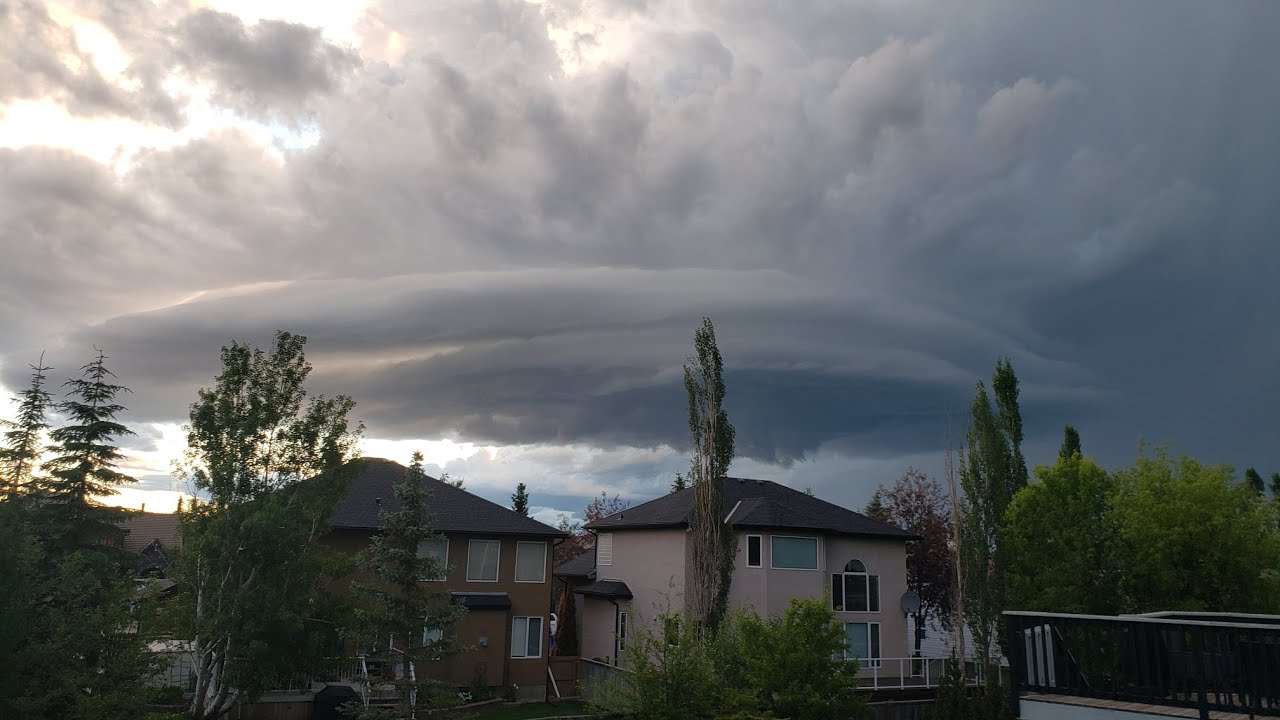
According to a 2019 AMA Insurance study, Alberta residents are more affected by storms than those in all other provinces combined. Storms can knock down trees, break windows, and damage power lines. These conditions can easily lead to power outages, property damage, and serious injuries. Strong winds can also bring heavy rainfall, leading to floods. Therefore, before strong winds hit, it’s wise to trim tall trees and remove dead branches to prevent them from damaging your home during the storm.
Hail
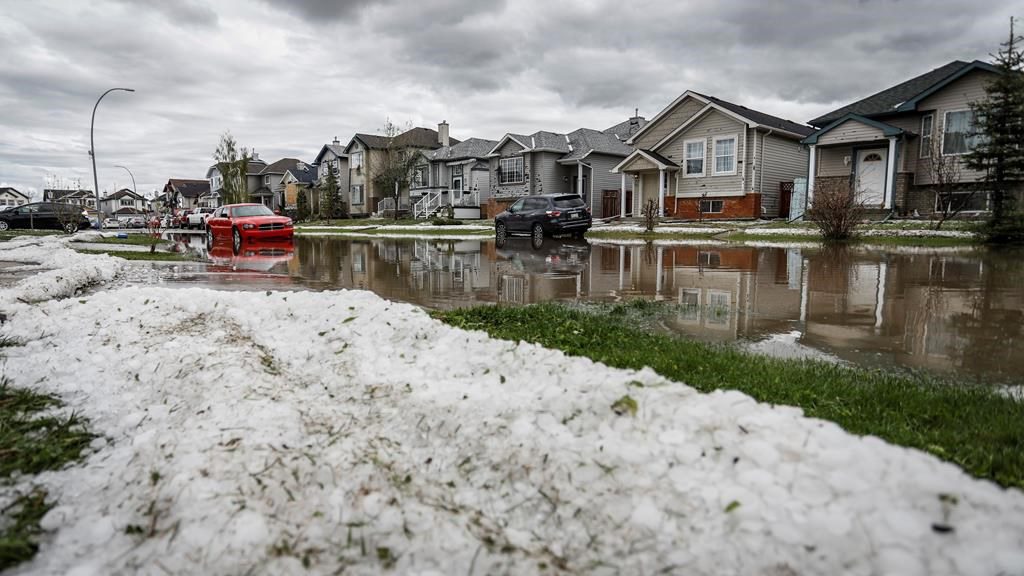
Hail is most common in Calgary from May to October. Hailstones can hit the ground at speeds of up to 130 kilometers per hour, causing significant damage to people, crops, homes, and vehicles. Hail the size of grapefruits has been reported in Canada, but even smaller hail can cause serious damage in minutes.
To protect your home from hail, check the condition and integrity of your roof, especially in older homes, as hail can puncture rotting siding. If you are warned about hail in advance, move plants and outdoor furniture inside. Park your car in the garage or under shelter to protect it from damage.
On June 13, 2020, a powerful hailstorm struck Calgary and its surroundings, becoming the fourth most costly natural disaster in Canadian history, with insurance losses estimated at nearly $1.2 billion.
Heavy Rain and Flooding
To protect against floods or heavy rain, maintain your home’s drainage system by cleaning all exterior drains and gutters, and ensure your sump pump is working. The Canadian Environmental Assessment Agency will issue rain warnings when an inevitable weather system is expected to bring dangerous and intense rainfall. Heavy rains in Alberta are often part of large-scale weather systems affecting wide areas of the province, or short-term thunderstorms with localized downpours that can cause sudden flooding.
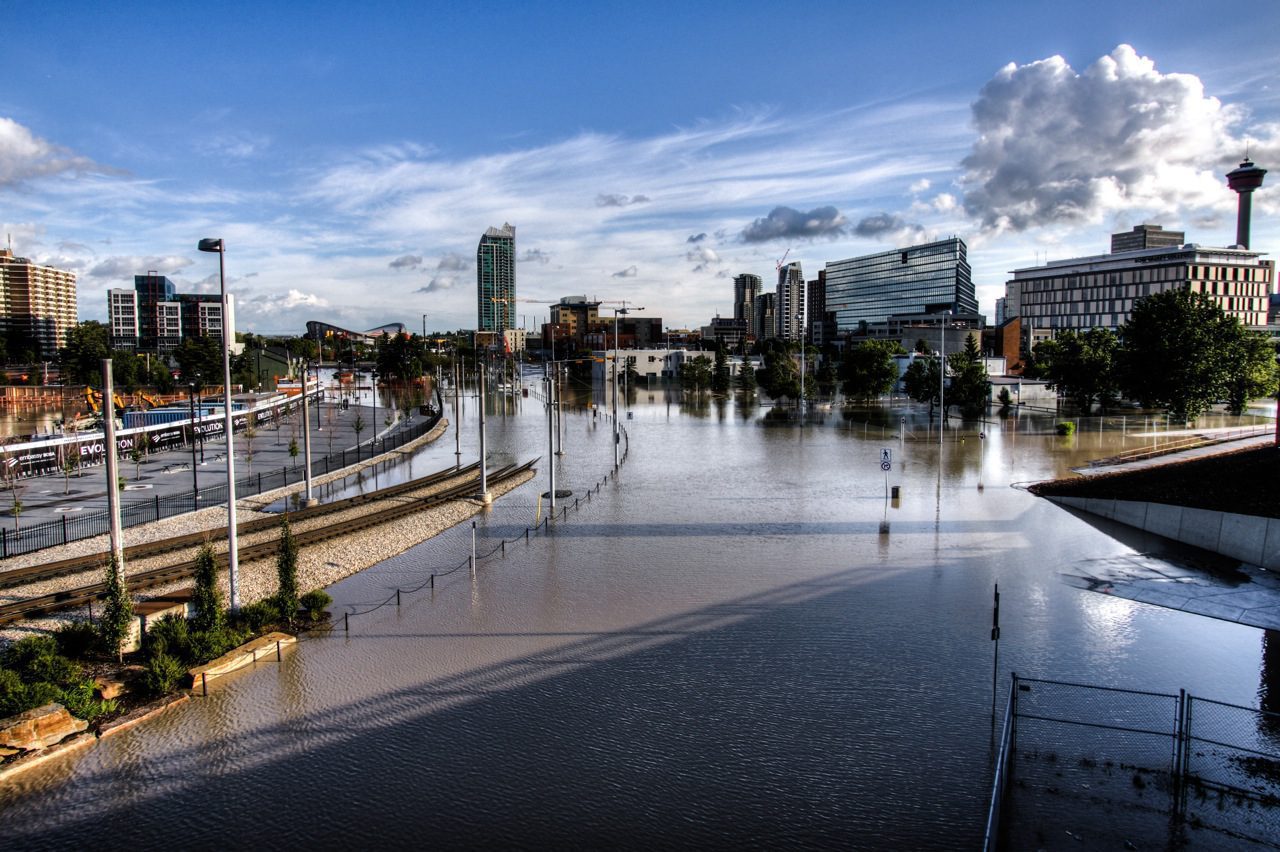
Calgary is at risk of flooding from the Bow, Elbow, and several local streams. Heavy rainfall and snowmelt in the mountains and foothills can cause an increase in flow rates in local streams, leading to rapid water movement and rising water levels.
In June 2013, heavy rainfall in parts of southern and central Alberta triggered a catastrophic flood. Five people died directly from the flood, and more than 100,000 residents had to evacuate their homes. The flood became the most expensive disaster in Canadian history until the 2016 Fort McMurray wildfire.
Tornadoes
The high-risk tornado season in Calgary lasts from mid-June to early August, with the highest probability in the late afternoon or evening.
The likelihood of tornadoes in Calgary is relatively low, but the consequences can be catastrophic. Preparing for a tornado is difficult due to its ability to strike unpredictably. The only thing that can offer some protection for household items during a tornado is securing loose objects, such as outdoor furniture.
A debris cloud approaching can indicate a tornado, even if you don’t see the funnel. Before a tornado, the wind may completely calm down. Tornadoes in Calgary usually last less than an hour.
During a tornado, take shelter in your basement or the lowest floor of your home, in a small room without windows. Stay close to walls or under sturdy furniture. If you are outside and cannot get inside, find a low-lying area, such as a ditch. Cover your head with your hands and avoid underpasses and bridges. If you are in a car, leave the vehicle immediately and find covered shelter or a low-lying area. If you are in a mobile home, leave immediately, as it offers little protection against tornadoes.
Wildfires
When it comes to wildfires, clearing shrubs to create a buffer zone (at least 30 feet) around your home can potentially help stop the fire.
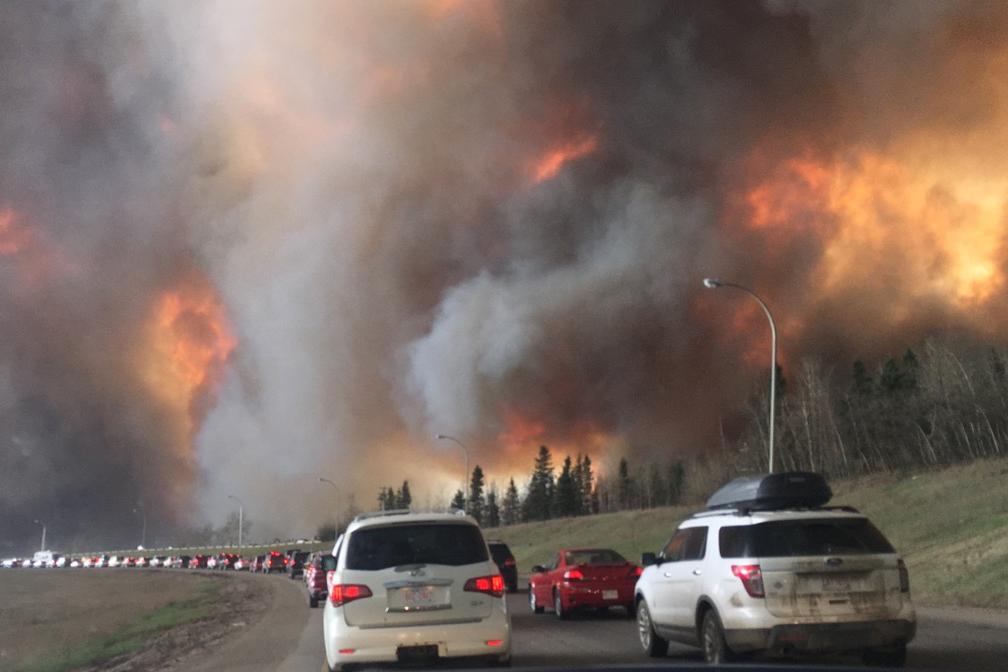
The largest evacuation due to a wildfire in Alberta’s history occurred on May 3, 2016, when a fire spread southwest of Fort McMurray. The disaster destroyed about 2,400 buildings, and another 2,000 residents in three communities were displaced because their homes were deemed unsafe for reoccupation due to contamination. The estimated damages were $9.9 billion CAD, making it the most expensive disaster in Canadian history.
Way 5. Insurance
Make sure your home or other valuable property is insured. The policy should cover the full replacement value of your home and belongings. Talk to your insurance agent to find out which disasters are covered.
So, Calgary is at risk of various emergencies and disasters. By learning about these risks and how to prepare, you can be better equipped to face them.