
Home 2024
Archives
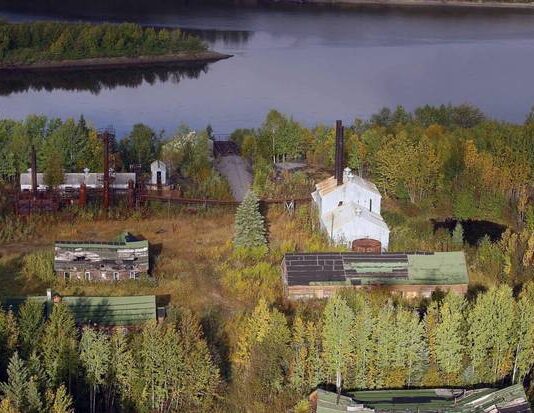
Bitumount, located on the eastern bank of the Athabasca River, approximately 90 kilometres north of Fort McMurray, is a historic industrial site where oil sands were mined, separated, and processed between 1925 and 1958. The site is named after the bitumen-rich deposits visible along the riverbanks. In 1974, Bitumount...
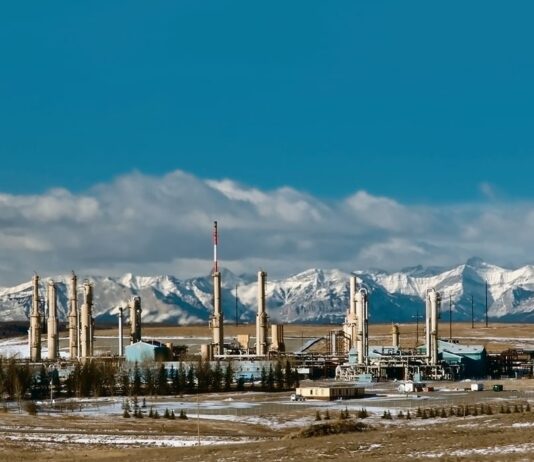
Natural gas is one of the cleanest, cheapest, and most efficient energy sources. Pure natural gas is odourless and colourless. Processors add a scent resembling rotten eggs to the gas supplied to consumers, allowing for the detection of hazardous leaks. Here’s how this fossil marvel was discovered and began...
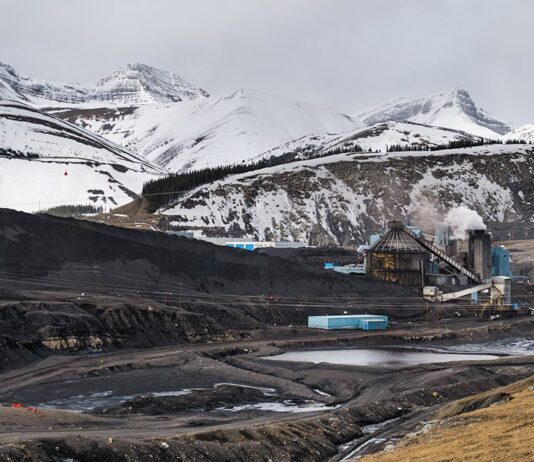
Even before recorded history, Indigenous peoples traveled through coal-rich regions near the Bow River Valley and Crowsnest Pass. They discovered coal deposits at the base of Mount Rundle near Canmore and along Cascade Mountain in Banff National Park. Early tribes also encountered layered coal seams in the arid areas...
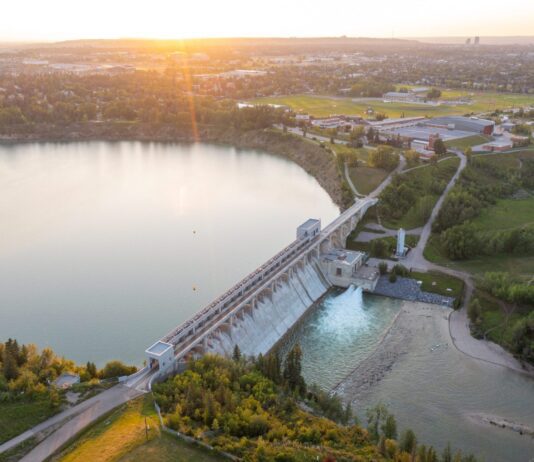
The Glenmore Reservoir on the Elbow River is regulated and protected by the concrete Glenmore Dam. This reservoir serves as the main source of drinking water for Calgary, reports calgary-name.
Construction History
In the early 1900s, Calgary faced the need for a new source of drinking water. In April 1907, Alderman...
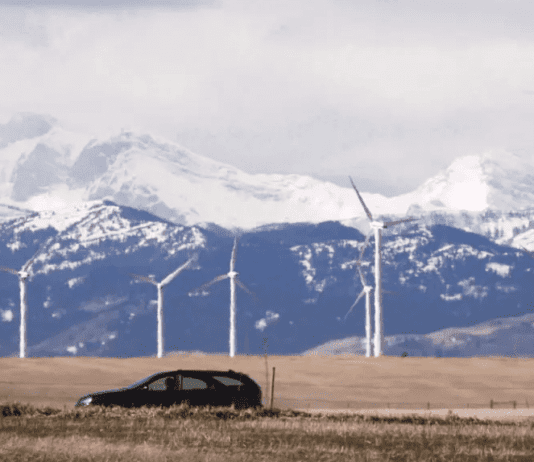
Alternative energy sources have been used long before coal, natural gas, and oil became prominent in the late 19th and early 20th centuries. During the 1973 oil crisis, when global oil prices skyrocketed, it became evident that complete reliance on fossil fuels was risky. Public awareness of the environmental...
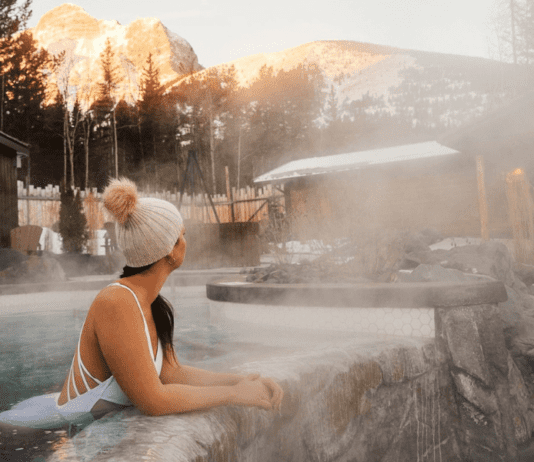
Canada's hot springs have been used by Indigenous peoples for centuries. While British Columbia boasts more natural hot springs than Alberta, the latter still offers several excellent spots for soaking and relaxation. These springs are renowned for their healing properties due to the high mineral content in the thermal...
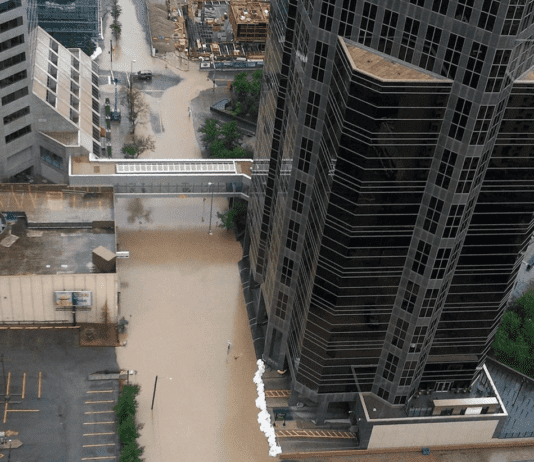
In the days leading up to June 19, 2013, heavy rainfall across parts of southern and central Alberta triggered catastrophic flooding, including in Calgary. In terms of insured damages, estimated at $1.7 billion, it was the costliest disaster in Canadian history until the Fort McMurray wildfire in 2016.
The Bow...
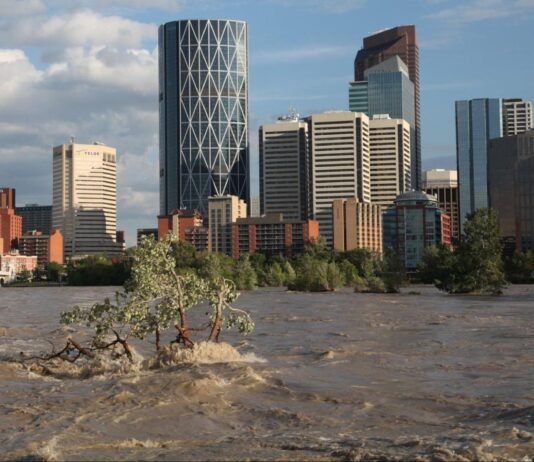
The city of Calgary is built at the confluence of the Bow and Elbow Rivers. Over the years, floods have repeatedly impacted the city, complicating life for residents and causing significant damage. Here is a chronological look at Calgary's major floods, from the flood of 1883 to the massive...
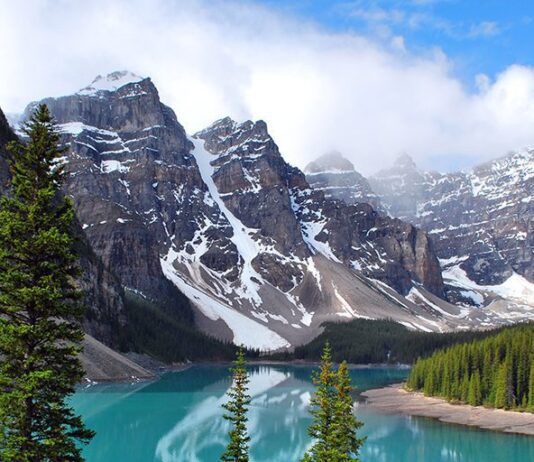
Most of Alberta's Rocky Mountains formed around 50 million years BCE. However, a 2019 study by scientists at the University of Alberta revealed that some of these mountains date back as far as 100 million years BCE, when the North American continent collided with a microcontinent during the subduction...
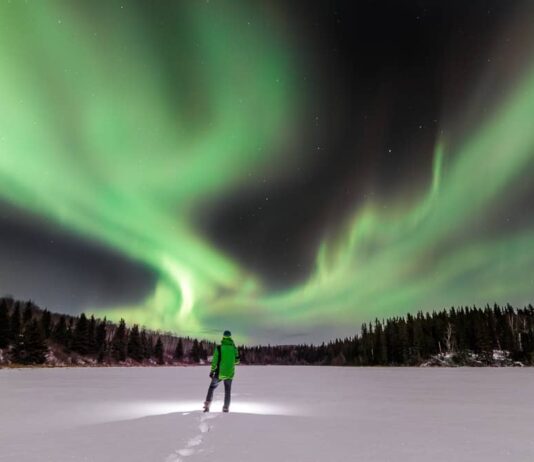
Residents of Alberta endure harsh winters and fierce grizzly bears, but these challenges are minor compared to the abundance of natural wonders the province offers. Learn about some of them below. More on calgary-name.com
Northern Lights
The Northern Lights are one of the most spectacular phenomena on Earth. This optical phenomenon...