

The mining industry is a key sector in Canada. In Alberta, sand, gravel, sandstone, iron, magnetite, gold, salt, limestone, and more are extracted. However, the most popular resource mined here is coal. Read more about several coal mines in Alberta in chronological order below. More on calgary-name.com.
Paintearth
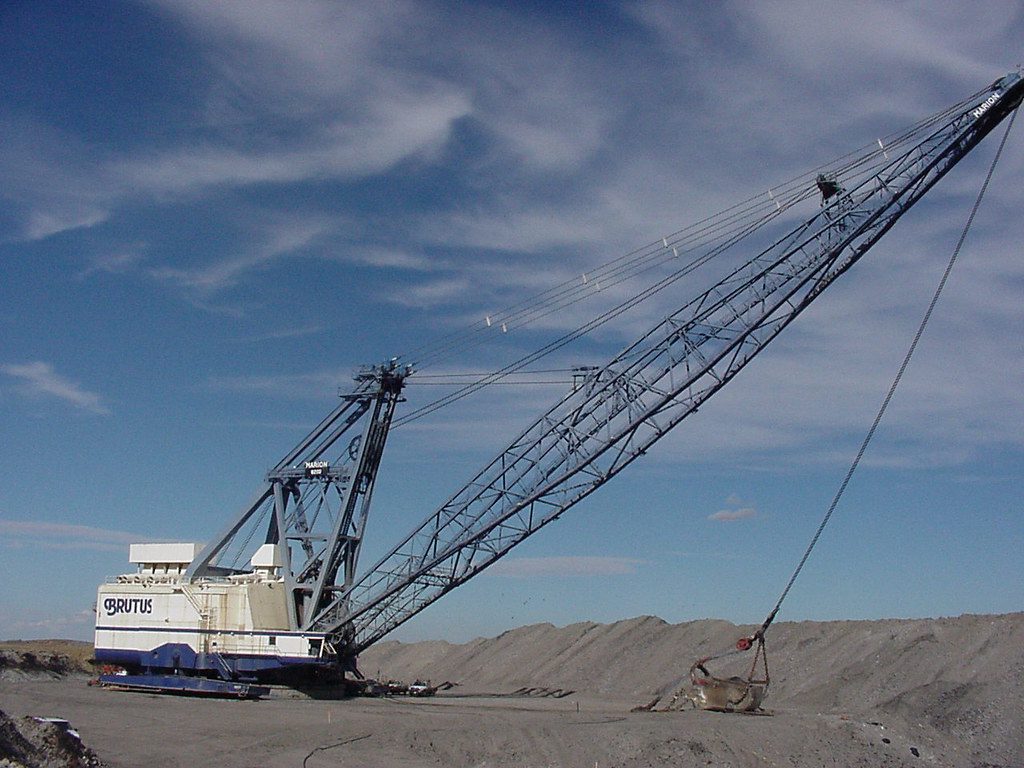
The Paintearth mine was opened in 1956, located 175 km southeast of Edmonton. It supplied coal to the Battle River power station.
In January 2021, Paintearth was closed due to the power station’s transition from coal to natural gas. Afterward, reclamation of the site began. To restore the soil, municipal organic waste from Edmonton was used. The nutrient-enriched soil allows for the cultivation of willows, which are used as biomass for renewable energy products, such as bioplastics.
Highvale
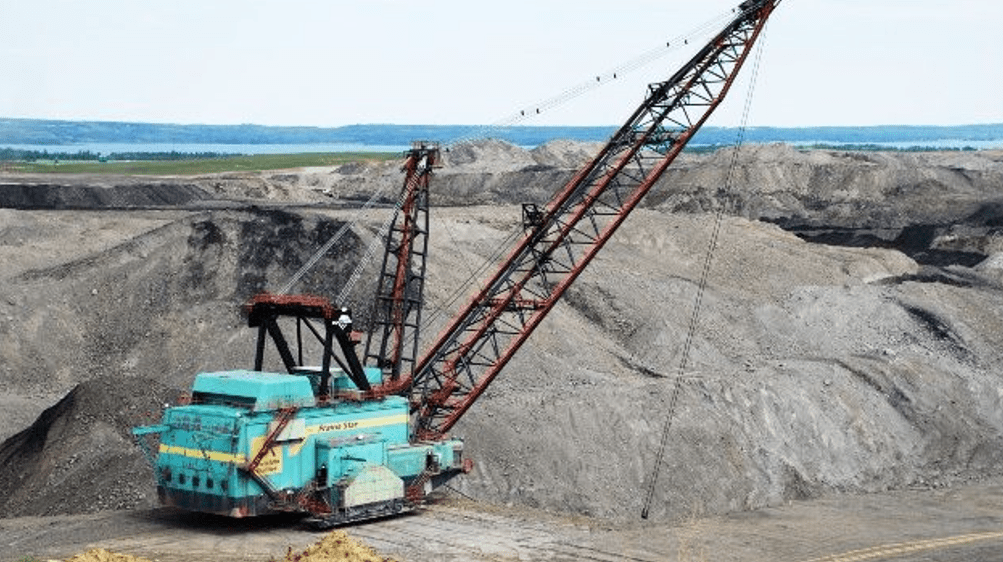
The Highvale mine operated from 1970 to 2021. It was the largest in Canada, covering 12,140 hectares and located south of Wabamun Lake, approximately 70 km west of Edmonton.
Five pits were actively mined here. To access the coal, the upper layers of rock were removed. By May 2010, four draglines were used for this purpose. In 2017, five pits were in operation, and by the end of 2021, Highvale ceased coal extraction.
According to the mine’s owner, TransAlta, 13 million tons of low-sulfur energy coal were extracted annually, which were delivered to TransAlta’s Sundance and Keephills thermal power stations.
Since its opening, TransAlta had reclaimed 1,310 hectares of land. After reclamation, this land became suitable for various land uses, such as agriculture, forests, wildlife habitats, recreation, and wetlands.
Coal Valley
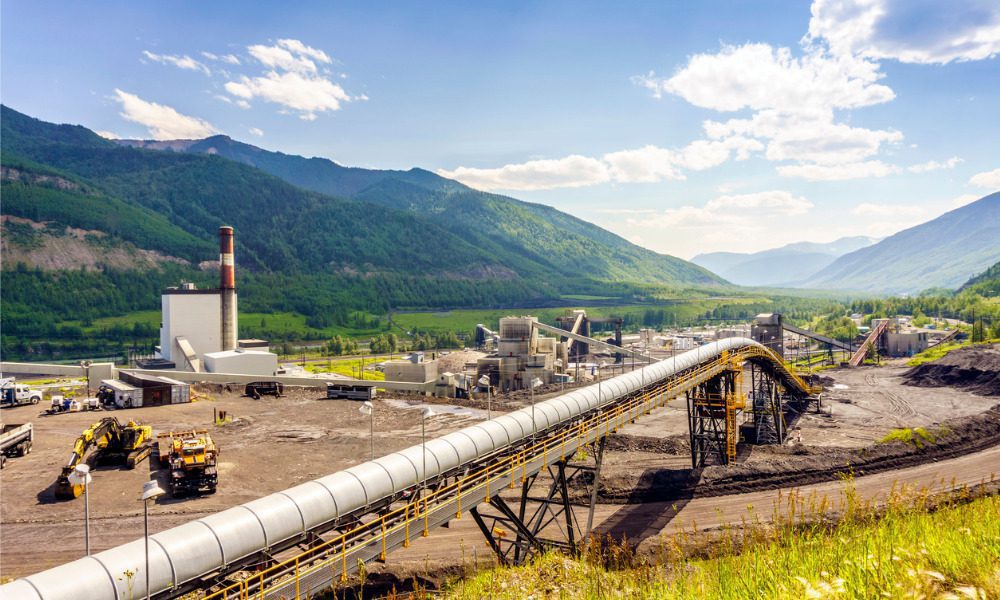
The Coal Valley mine opened in 1978 to supply coal to the Canadian company Ontario Hydro and for export. It is located approximately 100 km south of Edson, in the foothills of the Rocky Mountains.
A processing plant was built here, which immediately pulverized, cleaned, and dried the coal before transporting it to clients in Canada and abroad, primarily to Japan and Korea. Before its closure, the mine produced 3 million tons of coal annually, though the plant had a capacity of 4 million tons per year.
In June 2020, Coal Valley suspended operations due to serious restrictions caused by the COVID-19 pandemic. Operations resumed in August 2021.
Gregg River
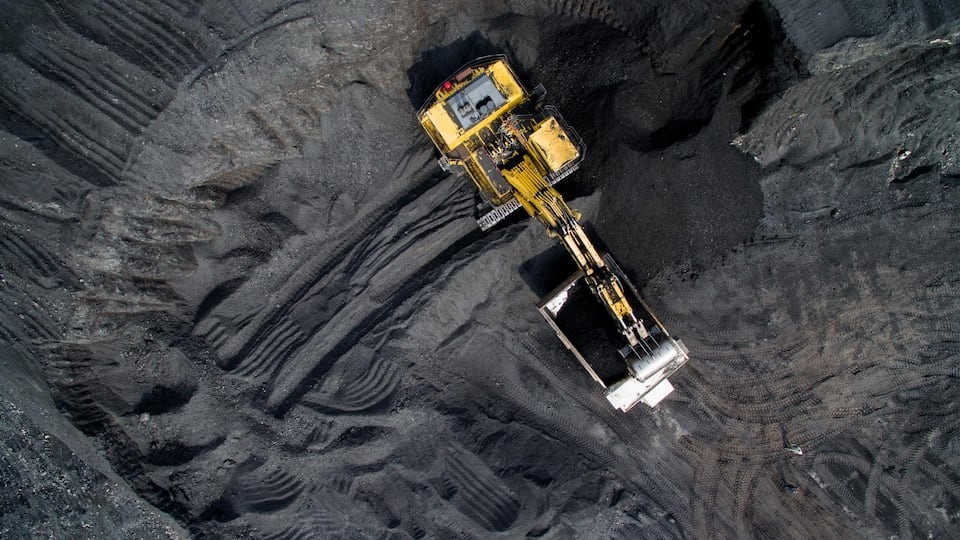
The Gregg River mine was the first large-scale mine in Alberta. It opened in 1981 in the Coal Branch region, located on the eastern slopes of the Rocky Mountains, 43 km south of Hinton. By 1983, mining had begun in the thin, rocky soils and continued uninterrupted until October 2000.
The mine was closed in accordance with the closure and reclamation legislation. After closure, the reclamation of 1,362 hectares of land began. The first five years involved reconstructing the land surface, replacing the topsoil, and restoring vegetation on the mining areas. Bridges over rivers were removed, surface watercourses were relocated, and wastewater treatment facilities were decommissioned.
The second phase of reclamation involved dismantling the coal processing equipment, as well as unloading and railway structures. Afterward, soil reclamation and improvement of these areas were carried out.
Sheerness
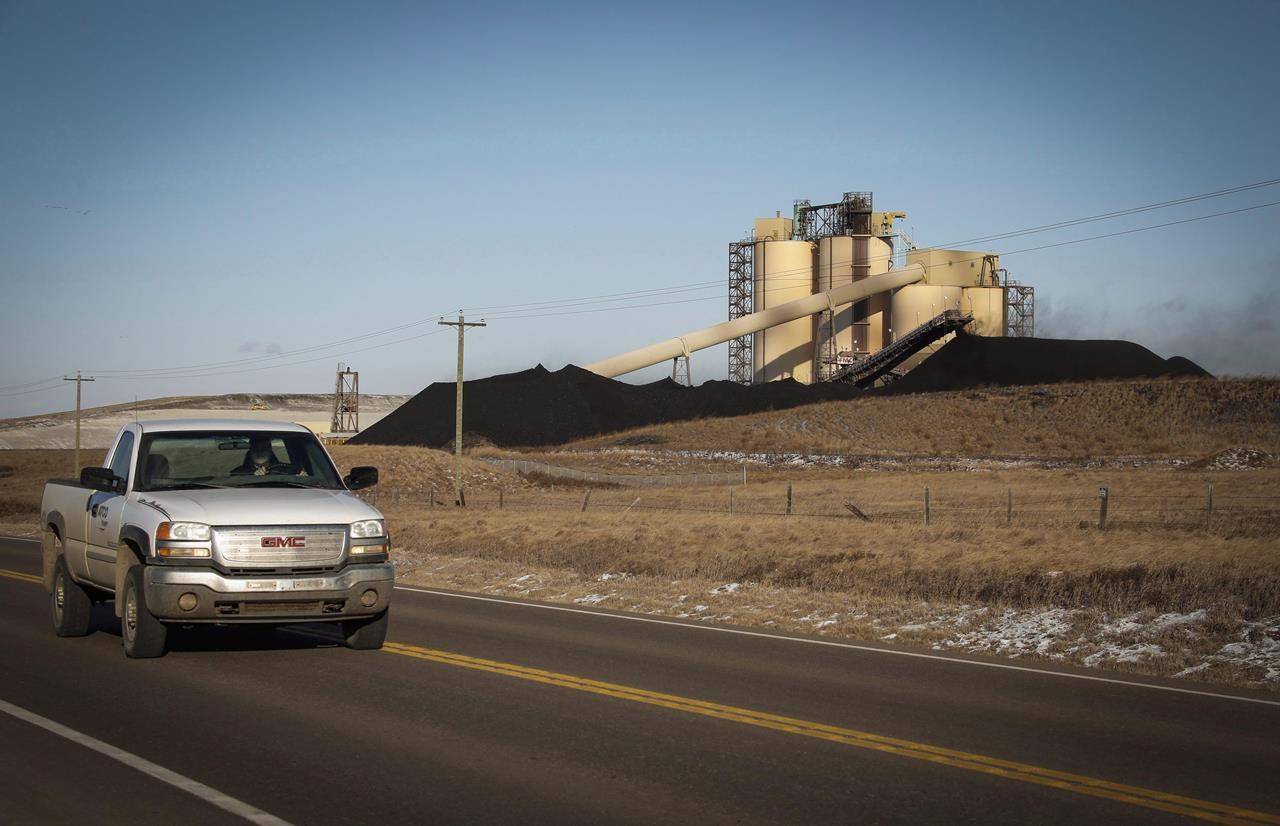
The Sheerness mine was located in southern central Alberta, 160 km northeast of Calgary and south of Hanna.
The mine operated two pits and, since 1984, supplied sub-bituminous coal to two generating units at the Sheerness Generating Station. The coal was extracted with two draglines and transported directly to the power station. The annual production reached up to 3.4 million tons. The mine had a signed contract to supply coal until 2026 and even planned to explore nearby areas and possibilities to extend the mine’s life until 2040, but in January 2021, the final closure was announced due to the station’s switch from coal to natural gas.
During its years of operation, Sheerness was recognized with many industry and government awards for operating 25 years without any incidents.
Obed Mountain
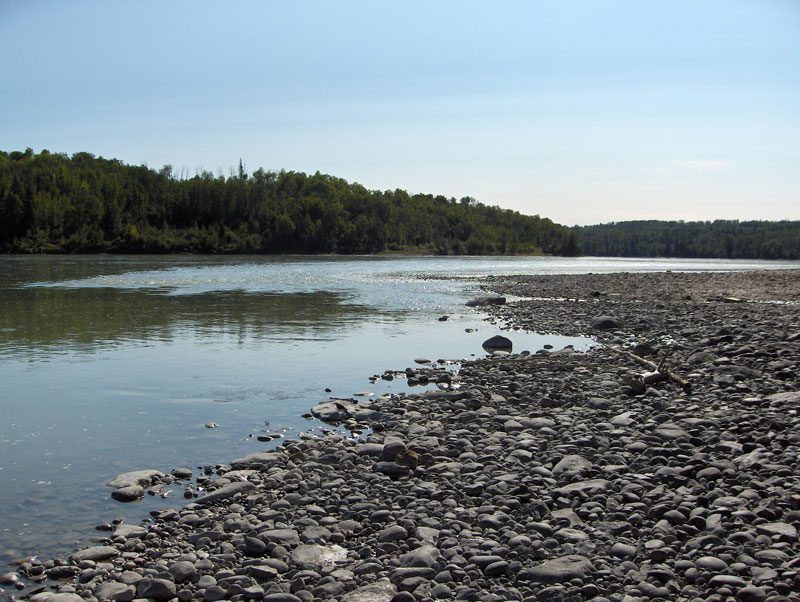
The Obed Mountain mine opened in 1984 near the town of Hinton. It extracted coal with a production capacity of over 3 million tons per year. Mining operations were suspended in 2012 due to economic difficulties, and 624 hectares of the mine were reclaimed.
On October 31, 2013, a mining disaster occurred when the worked-out pit failed. After the dam collapsed, nearly a billion liters of wastewater spilled into the nearby Athabasca River. In the first month following the spill, water quality testing revealed the presence of metals and chemicals such as cadmium, arsenic, manganese, lead, and mercury, which exceeded the safe limits for consumption. Residents were advised not to water livestock or pets with water from the Athabasca River. Although by the end of the year the river was declared safe, the environmental recovery remained in question.
In October 2015, the Alberta Energy Regulator filed charges against the mine operators for several violations under the Environmental Protection and Enhancement Act, Water Act, and Public Lands Act.
Genesee
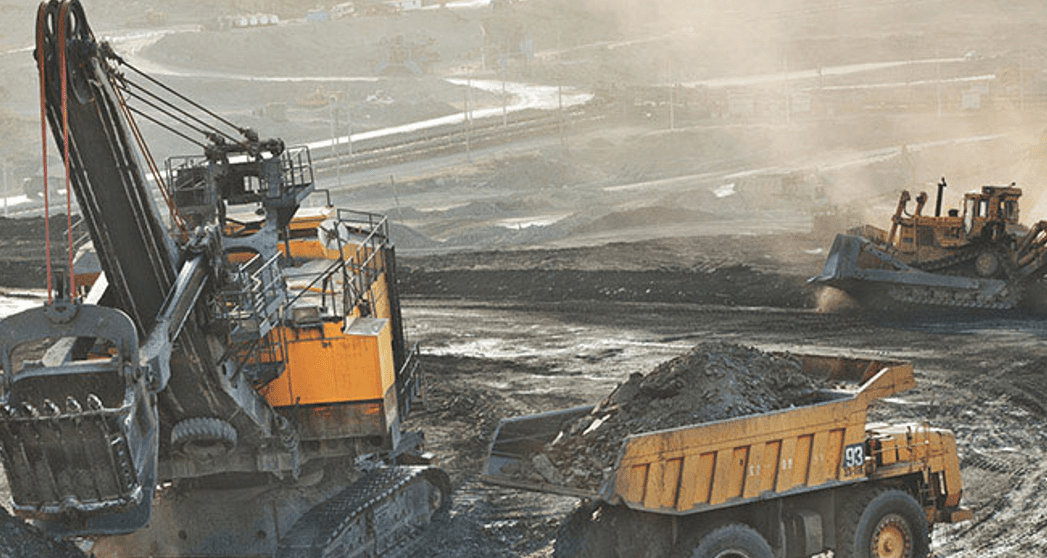
The Genesee mine is located 70 km southwest of Edmonton. It has supplied coal to the station since 1988.
Two pits are operated here, and sub-bituminous coal is supplied to three units of the Genesee Generating Station, owned by Capital Power and TransAlta Utilities and operated by Capital Power. The station generates electricity for about 500,000 people.
Grande Cache Coal
The Grande Cache Coal mine was established in 2000, and coal extraction began in 2004. It is located in the Smoky River coalfield, in the foothills of the Rocky Mountains, 20 km north of the town of Grande Cache and 360 km west of Edmonton.
It’s worth noting that metallurgical coal was first extracted in the Grande Cache area in 1969. In recognition of the legacy of underground mining, a mining lamp was incorporated into the company’s corporate logo.
A team of experienced professionals developed a robust mining operation to produce high-quality metallurgical coal with low volatile matter using both underground and surface mining methods for export to the global steelmaking industry.
In December 2009, the mine announced a strategic expansion to increase annual production to 3.5 million tons of “clean coal.” In November 2011, Chinese company Winsway Coking Coal Holdings Ltd. and Japanese corporation Marubeni Corp. purchased Grande Cache Coal for 1 billion Canadian dollars.
The mine was closed in 2015 due to low coal prices. In 2018, extraction resumed only by surface mining methods. In 2020, due to the COVID-19 pandemic, it was closed again.