

It is commonly stated that Alberta’s rise in the second half of the 20th century is solely attributed to its powerful oil and gas industry, but it would be unwise to overlook the importance of the agricultural sector. The soils of Alberta began to form around 8,000 years B.C. The rising of the mountains, centuries of cattle grazing, and the burning of old grasslands created attractive meadows for Alberta’s first farmers. Read more about the history of agriculture in Alberta at calgary-name.
Early Agriculture
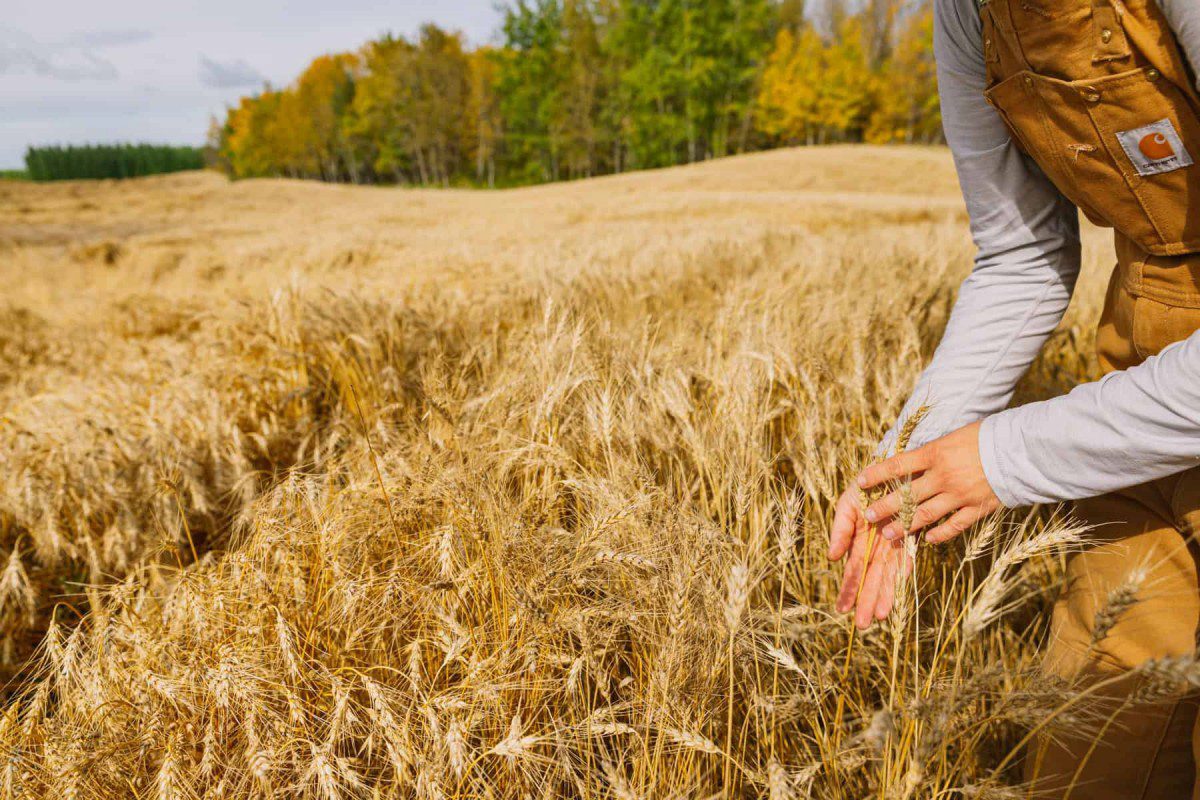
The first Blackfoot tribes grew tobacco in Alberta, and by the 1800s, they began planting grain crops, including wheat, barley, and oats. Wheat struggled to grow in Alberta until the 1870s, when hardier varieties like Red Fife were introduced.
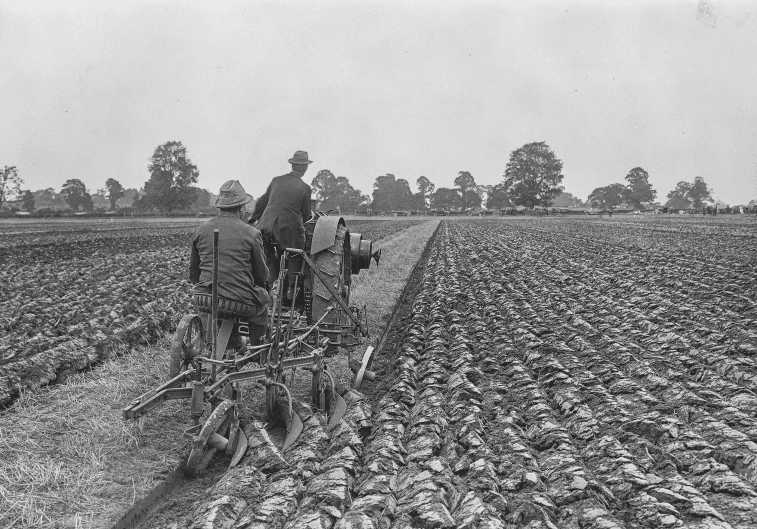
Excessive hunting during the early 1800s led to the destruction of bison herds, but it also opened up vast prairies for cattle grazing. The railway, which reached Calgary in 1882 and Edmonton in 1891, allowed immigrants to move easily, fostering rapid settlement and the growth of agriculture. The introduction of plows, seeders, and irrigation tools opened up new land for cultivation.
The arrival of many immigrants to Western Canada can be traced to the 1860s, when American settlers from Montana arrived in southern Alberta searching for gold. Although they did not find gold, they discovered coal deposits along the Belly River. This discovery made southern Alberta a magnet for ambitious entrepreneurs. The first commercial mine in the province was opened by Nicholas Sheran in the early 1870s along the Belly River near Lethbridge. At that time, mining was extremely dangerous, and coal was mined by hand. It wasn’t until the 1880s that mechanical cutters were introduced at some mines.
Cattle Ranching – The First Major Industry
Cattle ranching became Alberta’s first important agricultural industry. In the southern and southeastern regions, ranching provided the province with a stable commercial activity in semi-arid zones and foothill areas that were unsuitable for profitable farming.
Open grazing ended in 1912, but ranching continued to play a crucial role in the economy of Alberta. Ranch owners supplied the majority of Canadian cattle exports to the U.S.
Between 1900 and 1940, a distinctive type of farming land use prevailed in Western Canada. Free land became a lure for settlement. This was bolstered by an aggressive campaign started by the Canadian government in the 1890s to encourage immigrants to come to Western Canada. Adult men were promised 65 acres of land in exchange for a $10 fee and a commitment to develop the land, build a residence, and stay in the western prairies for at least three years. Thanks to this program, Alberta’s population grew from 73,022 in 1901 to 374,295 by 1911.
Farmers grew oats, barley, flax, rye, and, of course, wheat. Thanks to the success of the early-maturing hard red spring wheat variety, Marquis, the province’s cultivated land expanded from almost 50,000 acres in 1900 to nearly 9 million acres in 1940. By 1915, southern Alberta became Canada’s “Wheat Queen” and one of the world’s leaders in wheat production.
The popularity of wheat remained high until World War II. Acreage continued to grow despite abandoned farms and falling prices during the Great Depression. However, such massive wheat production had negative consequences, as it did not adhere to optimal land-use practices.
The Rapid Growth of Agriculture and Its Effect on Alberta’s Soil
The rapid development of agriculture took a toll on Alberta’s soil. Land was usually plowed to a depth of 15 to 30 cm. It was also common practice to leave large areas of tilled land fallow for some time to preserve moisture and nutrients. Both the tilling process and strong winds combined with droughts caused significant damage to the disturbed soil.
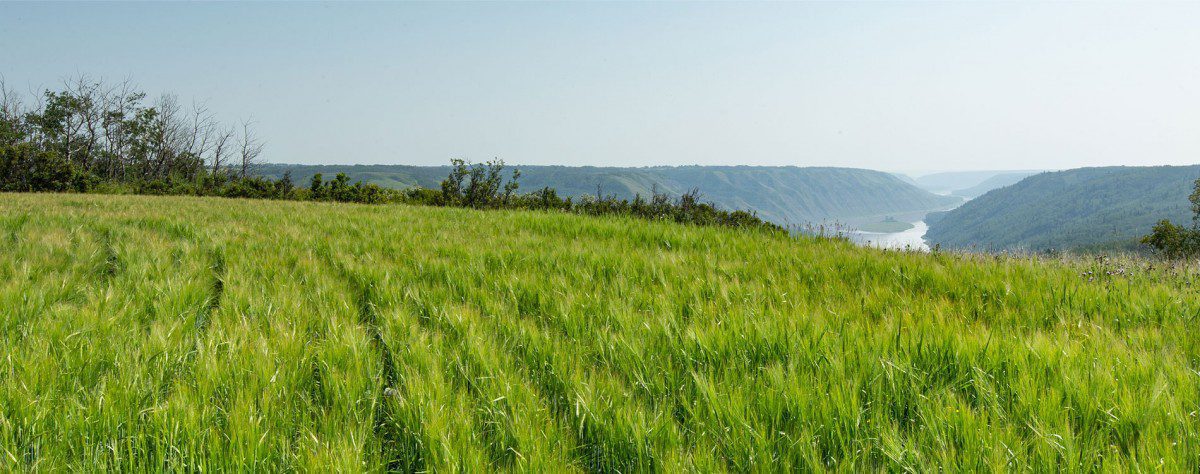
In Canada, it was believed that Alberta’s land was suitable for growing wheat just as Saskatchewan’s was. This led to the neglect of important climatic and soil factors. Short growing seasons and excess moisture, particularly on the leeward side of the Rocky Mountains, hindered large-scale wheat planting. Additionally, the gray soils, which cover much of the province, are acidic and deficient in nitrogen, making them unsuitable for growing wheat. Brown soils, too, are incompatible with continuous wheat cultivation due to their low organic matter and moisture content.
In 1926, 10,000 Alberta farms were left abandoned due to crop failure. Farmers then began implementing various soil conservation measures to maintain fertility and maximize yields.
Barley – The Key Crop During World War II
Changes in wheat production and land use in Alberta occurred during the 1940s, when the federal government introduced incentives for growing forage crops to produce more meat for wartime Britain.
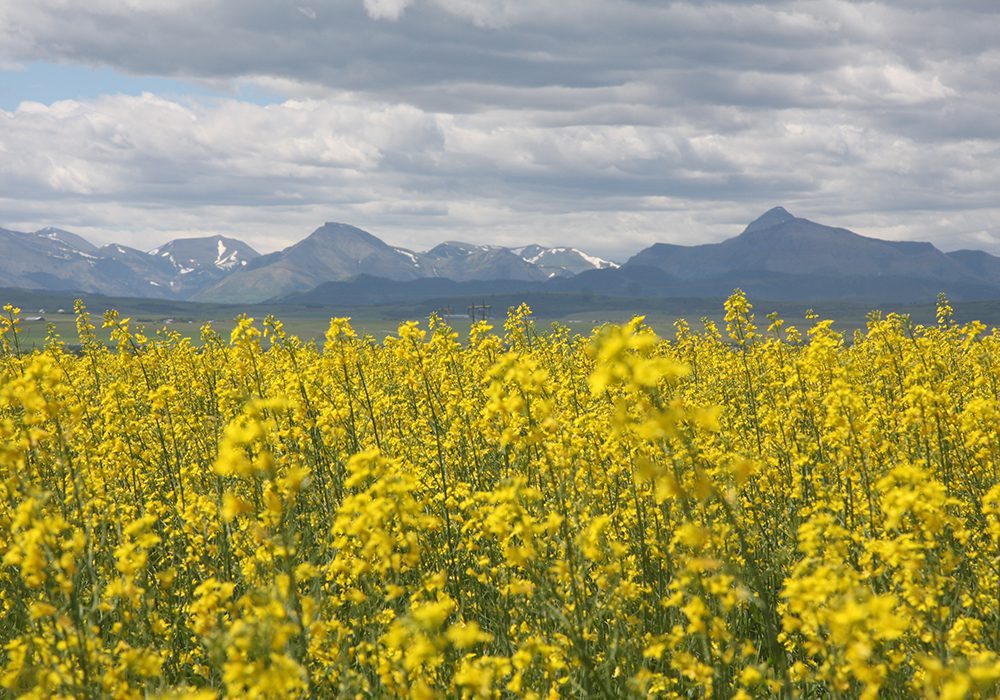
Barley became the primary crop. Although it had been recognized as a forage crop earlier, it was only during World War II that barley was integrated into Alberta’s farming operations. While wheat acreage exceeded barley acreage by more than ten times in 1930, by the 1940s and 1950s, wheat acreage dropped by a factor of four, while barley acreage doubled.
Over time, barley acreage grew to represent on average 70% of wheat acreage, and by 1971, it actually exceeded wheat production. Interestingly, barley remains the most popular crop in Alberta, grown under irrigation.
The Rise of Canola
In the 1960s and 1970s, canola was developed from rapeseed through selective breeding, becoming one of the most important events in Alberta’s agricultural sector. The province’s climate and medium-textured soils proved ideal for this crop. By the end of the 20th century, canola became Alberta’s third most popular agricultural crop.
For a long time, oil derived from rapeseed was considered technically unsuitable due to its unpleasant taste and the presence of toxins. However, canola oil is free from these drawbacks. It contains omega-9 fatty acids and some omega-3s. Unlike sunflower oil, canola oil does not disrupt the balance of omega-3 and omega-6 fatty acids in the human diet.
While rapeseed oil was traditionally considered harmful, primarily because of its erucic acid content (which could cause fibrotic heart damage), canola oil does not contain this acid. However, canola oil is not as beneficial as olive or coconut oil when it comes to adding to dishes, as it contains only 7% saturated fatty acids, nearly half the amount found in olive, soybean, or corn oils.
Alberta’s Leading Beef Producer
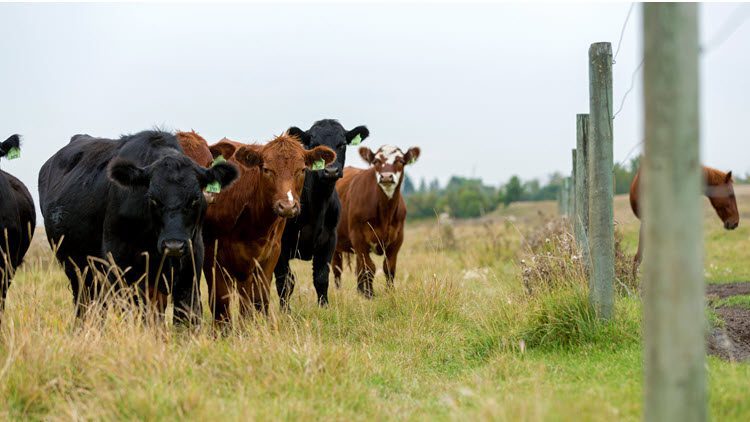
In the post-war period, feed additives based on legumes were introduced. In some areas, grain crops were replaced with hay and forage grasses. Fall rye and winter wheat became popular. This rationalization of land use led to the rise of cattle ranching as the dominant sector in Alberta’s agribusiness.
In 2003, Alberta was the leading beef producer in Canada, with the province accounting for 39% of Canada’s total cattle population. In 2001, Alberta’s farms earned a total of $8.31 billion, with $3.96 billion from livestock, while wheat earned $0.92 billion. This reflects the significant changes in land use, particularly its rationalization.
All of this was made possible not only by increased consumer demand but also by the ability to capitalize on that demand. Intensive feeding operations, complex breeding programs, technological innovations, and, most importantly, changes in land use patterns enabled the successful transition from direct grain farming and mixed farming to beef cattle ranching.